
 High Visibility Clothes
 EN
EN
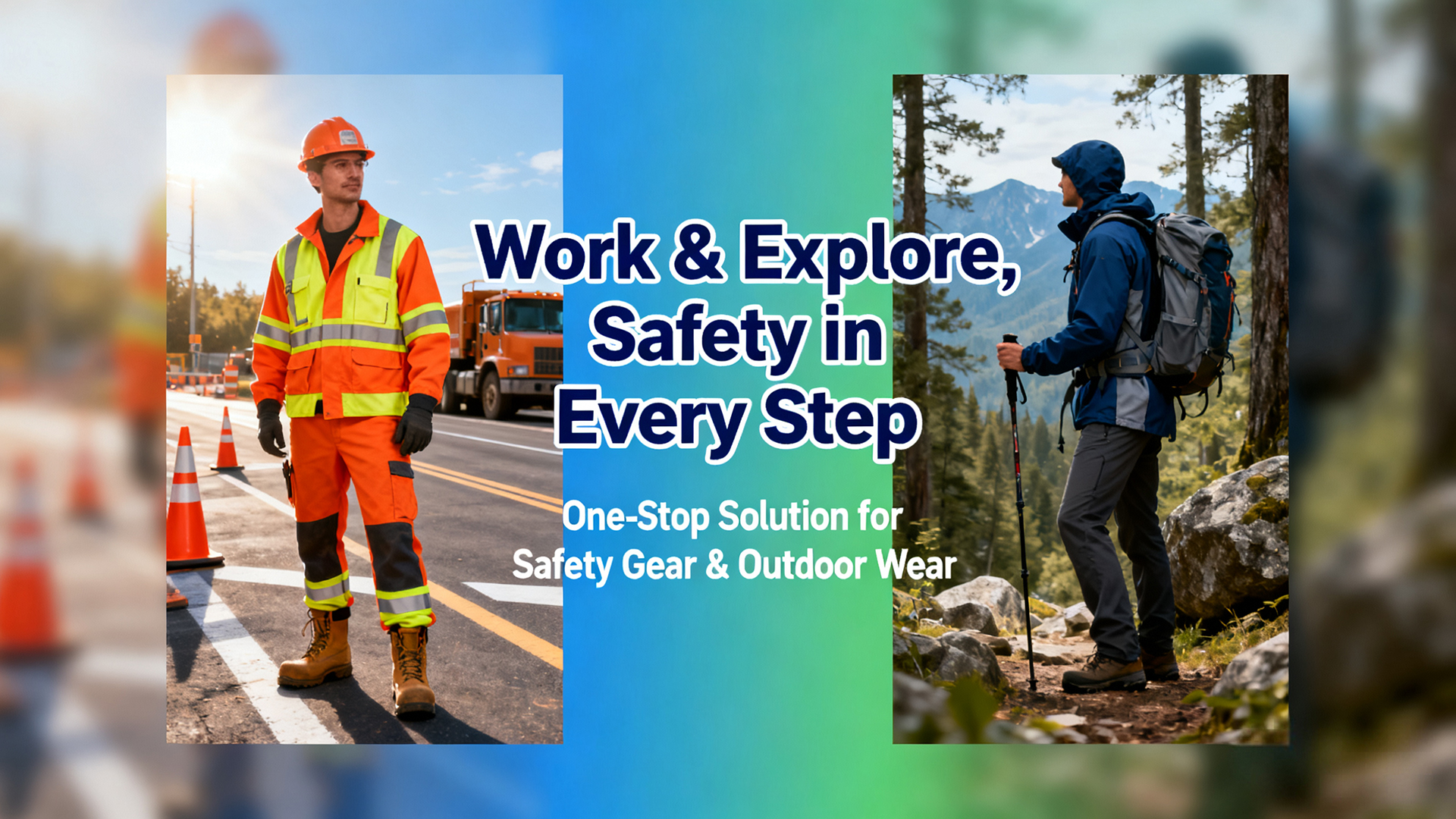
A Procurement Manager's Guide to Selecting the Right High-Visibility and Outdoor Clothing for Your Workforce
Introduction
Procuring safety and outdoor clothing is a significant responsibility. The right choice protects your team, ensures compliance, and provides a strong return on investment through enhanced durability and worker satisfaction. The wrong choice can lead to safety failures, compliance penalties, and frequent, costly replacements. This guide is designed to help procurement managers, safety officers, and business owners navigate the critical decision-making process, ensuring you select the optimal high-visibility and outdoor apparel for your specific operational needs.
Step 1: Conduct a Thorough Workplace Hazard Assessment
Before looking at any catalog, you must first understand the environment in which the clothing will be used. Ask these key questions:
What are the traffic and speed conditions? Are workers near slow-moving warehouse vehicles or high-speed highway traffic? This determines the required class of garment (e.g., Class 2 vs. Class 3).
What are the environmental conditions? Is the work primarily outdoors, exposing workers to rain, wind, sun, or extreme cold?
Are there other hazards present? Consider risks like fire, electric arc, chemical splashes, or sharp objects. This may require clothing that combines hi-vis with Flame-Resistant (FR) or Arc-Rated (AR) properties.
What is the level of physical activity? High-mobility jobs (e.g., construction, forestry) require breathable, flexible fabrics, while more static roles may prioritize warmth or water resistance.
Step 2: Decoding Standards and Certification
Never compromise on certification. It is your objective guarantee of performance.
Identify Your Regional Standard:
- For Europe and most international markets: Look for the EN ISO 20471 label and certification.
- For North America: Look for compliance with ANSI/ISEA 107. For public safety workers (e.g., firefighters, law enforcement), ANSI/ISEA 207 is also relevant.
- Check the Label: A certified garment will have a permanent label detailing the standard, class, and the number of washes it can endure while maintaining its performance. Always insist on seeing certification documentation from your supplier.
Step 3: Evaluating Material and Construction Quality
Certification sets the minimum bar, but quality determines longevity and comfort.
- Background Material: Feel the fabric. Is it robust yet flexible? Look for features like ripstop weave for durability and moisture-wicking treatment for comfort. Check if it's made from recycled materials if your company has sustainability goals.
- Reflective Tape: Examine the tape's adhesion. It should be firmly bonded without loose edges. High-quality tape will remain highly reflective and flexible after multiple washes. Check if it meets "Performance Level 2" for superior performance in rainy conditions under EN ISO 20471.
Construction Details:
- Stitching: Look for reinforced, straight stitching, especially at stress points like shoulders and pockets.
- Zippers and Hardware: Heavy-duty YKK zippers are an industry benchmark for reliability. Check that pulls are large enough to handle with gloved hands.
- Visibility-Enhancing Design: For high-risk environments (Class 3), ensure the garment provides 360° visibility, with reflective bands on the arms and legs.
Step 4: The Critical Importance of Fit and Comfort
An uncomfortable garment is a safety hazard in itself. If workers find the gear too hot, restrictive, or ill-fitting, they may avoid wearing it correctly.
- Sizing: Offer a comprehensive range of sizes, including tall and big & tall options. A good fit allows for layering in cold weather without being overly baggy, which can snag on machinery.
- Ergonomics: Look for features like articulated knees and elbows, gusseted underarms, and bi-swing backs. These designs allow for natural movement, reducing fatigue and improving productivity.
- Ventilation: For high-activity roles, features like underarm zips (pit zips), mesh-lined vents, and back flaps are crucial for heat and moisture management.
Step 5: Partnering with the Right Supplier
Your choice of supplier is as important as your choice of product. A reliable exporter or manufacturer should offer:
- Proven Compliance: Transparent and readily available certification for their products.
- Customization Options: The ability to add company logos, branding, or specific color trims while maintaining compliance.
- Consistent Quality: A track record of delivering products that meet specifications batch after batch.
- Expert Support: Knowledgeable staff who can help you select the right product for your application and navigate complex compliance issues.
Conclusion: An Investment in Safety and Efficiency
Selecting high-visibility and outdoor clothing is a multi-faceted process that goes far beyond just picking a vest from a catalog. By systematically assessing workplace hazards, insisting on proper certification, scrutinizing quality, prioritizing comfort, and choosing a knowledgeable supplier, you make a strategic investment. This investment not only fulfills your legal duty of care but also fosters a culture of safety, boosts worker morale, and ultimately, protects your bottom line.

 REQUEST AN ESTIMATE
 Home
Home