
 High Visibility Clothes
 EN
EN
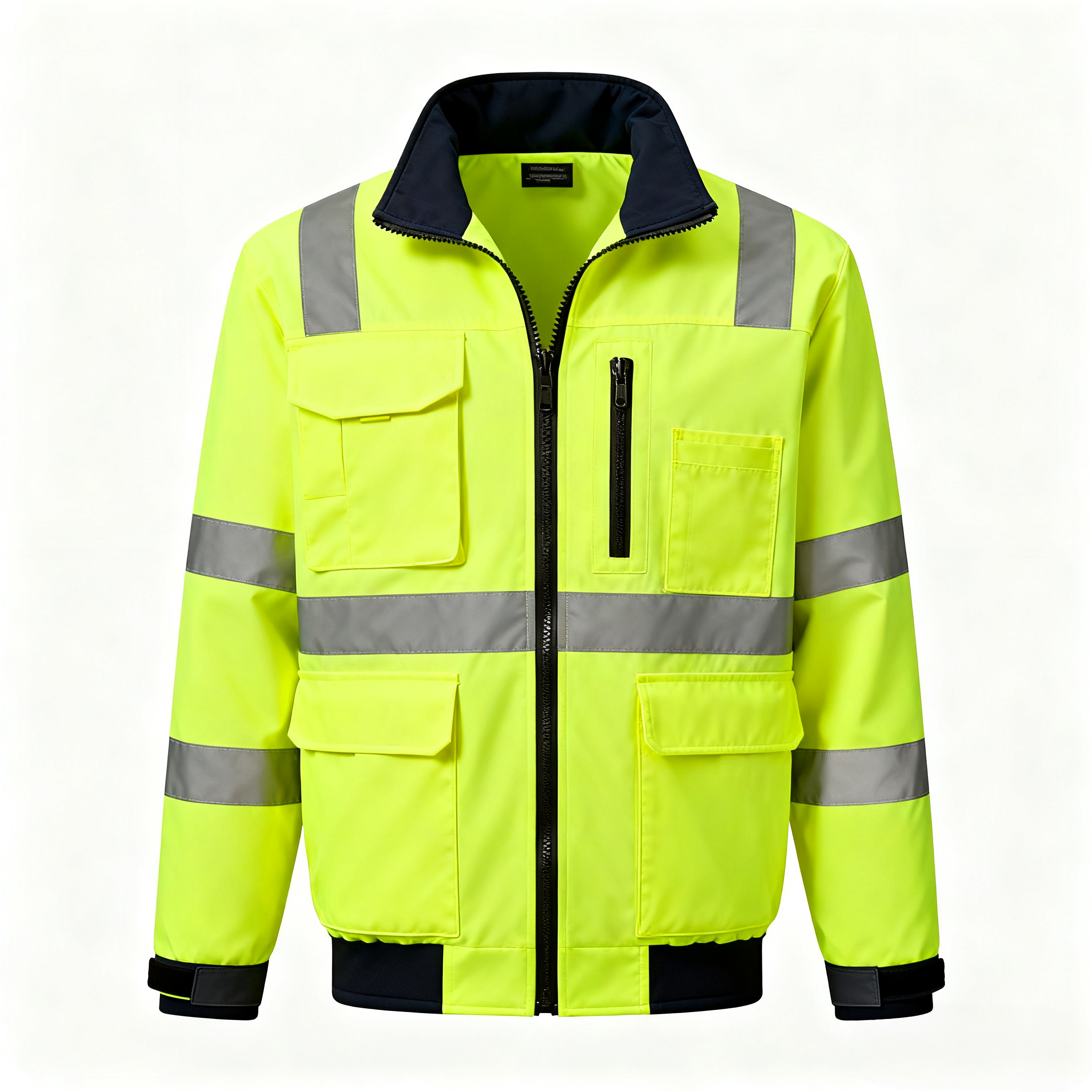
Why Should You Avoid Ironing the Reflective Strips on a Waterproof Hi-Vis Jacket?
How Heat Damages Reflective Strips on Waterproof Hi-Vis Jackets
Microprismatic and Glass Bead Structures: Why They Melt, Warp, or Delaminate Under Iron Heat
Heat has a way of messing with how reflective materials work optically. Take those glass bead strips for instance they rely on tiny spheres to bend and bounce back light. But when temps hit around 120 degrees Celsius or higher, these surfaces start melting, which scatters the light rather than sending it straight back where it came from. The situation gets worse with microprismatic strips made of carefully arranged plastic prisms. When exposed to heat, these structures tend to warp and lose alignment, messing up their ability to reflect light properly. According to various research papers looking at what happens to reflective materials over time, heat damage can cut down reflectivity by as much as 40 percent in glass beads and somewhere between 15 to 20 percent in those microprism designs. Another big issue is something called delamination. At temperatures as low as 80 degrees Celsius, the glue holding together different reflective layers starts to fail, eventually causing everything to come apart completely. What makes this so dangerous isn't just reduced visibility during nighttime conditions but actually turns safety rated products into potential risks for anyone relying on them.
ANSI/ISEA 107 Compliance Failure: The Point of No Return for Reflectivity
The ANSI/ISEA 107 standard requires reflective materials to maintain at least 330 candelas per lux per square meter (cd/lx/m²) of reflectivity. When thermal damage causes any part of the garment to fall below this level, even just in one spot, it becomes non-compliant with safety regulations. Testing under accelerated weather conditions reveals something alarming: heat damaged reflective strips break down three times quicker than those in good condition. Take a small 2 inch warped area as an example. This seemingly minor flaw can cut overall reflectivity by around 20-25%, which puts workers right over the compliance line. Real world accident statistics back this up too. Workers wearing degraded vests face a 37% increased chance of being involved in nighttime incidents near construction sites. And here's the catch nobody wants to hear: once reflective material starts failing, there's simply no way to fix it properly. The only solution that meets regulatory standards is complete replacement of the affected garments.
Ironing Compromises the Waterproof Barrier of Hi-Vis Jackets
Applying direct heat risks irreversible failure of the jacket's moisture barrier through membrane degradation and seam tape failure.
ePTFE, PU, and TPU Membranes: Melting Points vs. Typical Iron Temperatures
Waterproof performance relies on engineered membranes—expanded Polytetrafluoroethylene (ePTFE), Polyurethane (PU), or Thermoplastic Polyurethane (TPU)—each with distinct thermal tolerances:
- PU degrades at 70°C–100°C
- TPU softens at 120°C–150°C
- ePTFE withstands up to 260°C–327°C
Standard irons operate between 100°C (low) and 230°C (high)—a range that directly threatens PU and TPU layers.
| Material | Melting Range | Iron Settings | Risk Level |
|---|---|---|---|
| PU | 70°C–100°C | 100°C–230°C | Critical |
| TPU | 120°C–150°C | 100°C–230°C | High |
| ePTFE | 260°C–327°C | 100°C–230°C | Moderate* |
*Even sub-melting exposure causes cumulative damage: microscopic cracks form in PU and TPU at medium iron settings (150°C), reducing waterproofing efficacy by 30–50% after just one 10-second contact.
Hydrostatic Head Loss and Seam Tape Failure: Real-World Consequences of Thermal Stress
Heat triggers cascading barrier failures:
- Hydrostatic head (HH) collapse: Membranes lose resistance to water pressure—e.g., a 10,000 mm HH-rated jacket may drop below 5,000 mm, failing heavy-rain protection standards.
- Seam tape disintegration: Thermoplastic adhesives sealing stitched seams melt between 80°C–130°C, creating direct leakage paths.
-
Layered failure: Warped membranes combined with detached tapes result in full-barrier breakdown. Workers experience rapid saturation in storms—elevating hypothermia risk and compromising visibility due to wet, darkened fabric.
This damage is cumulative and irreparable. Once compromised, jackets must be replaced to uphold safety and compliance.
Field Evidence: Heat-Induced Degradation Is a Leading Cause of Non-Compliance
OSHA 2023 Audit Data: 73% of Failed Waterproof Hi-Vis Jackets Show Heat-Related Reflective Damage
According to OSHA field audits conducted in 14 different US states during 2023, around 73 percent of those high visibility waterproof jackets that didn't meet ANSI/ISEA 107 reflectivity standards showed clear signs of heat damage. We're talking about melted microprismatic strips or glass bead tape that had come apart from the fabric, exactly what happens when someone irons these garments incorrectly. What makes this problem serious is that these damaged areas form tiny cracks which cut down on how much light gets reflected back, falling short of the necessary 330 cd/lx/m² threshold. On the flip side, jackets that were kept away from any kind of heat treatment maintained compliance at an impressive rate of 92%, based on testing over 2,800 pieces of work clothing. Thermal stress isn't just making clothes look bad either it actually breaks down the very features designed to keep workers visible and safe. For companies wanting to stay compliant, getting rid of ironing altogether and sticking strictly to cold water washing followed by air drying should be non negotiable parts of their garment maintenance policies.
Safe, Standards-Compliant Care Practices for Waterproof Hi-Vis Jackets
To preserve both visibility and waterproofing while meeting ANSI/ISEA 107 requirements, follow these evidence-based care practices:
- Cleaning: Use cold water (<30°C/86°F) and pH-neutral detergents. Harsh chemicals and elevated temperatures degrade retroreflective microprisms and compromise PU/TPU membrane integrity—integrity loss begins above 40°C.
- Drying: Always air-dry indoors, away from direct sunlight and UV exposure. Tumble dryers exceed 60°C/140°F, causing irreversible delamination of glass bead strips and seam tape failure.
- Storage: Hang vertically in climate-controlled environments. Compression folds accelerate adhesive failure in seam tapes by 300%, per Textile Engineering Journal (2022).
- Inspection: Conduct biweekly checks for color fading (<70% of original luminance) or visible cracking in reflective elements—early detection prevents compliance lapses and ensures timely replacement.
Rigorous adherence preserves hydrostatic head performance and maintains 360° reflectivity above 330 cd/lux/m²—meeting OSHA's visibility mandates and protecting workers in low-light, high-risk environments.

 REQUEST AN ESTIMATE
 Home
Home