
Outdoor Clothes
Advantages
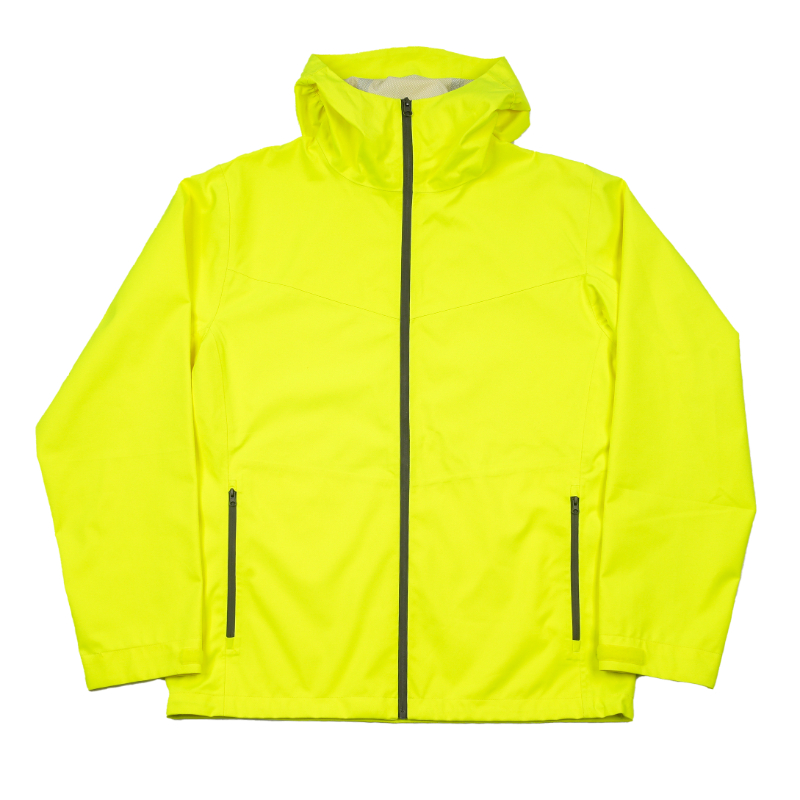
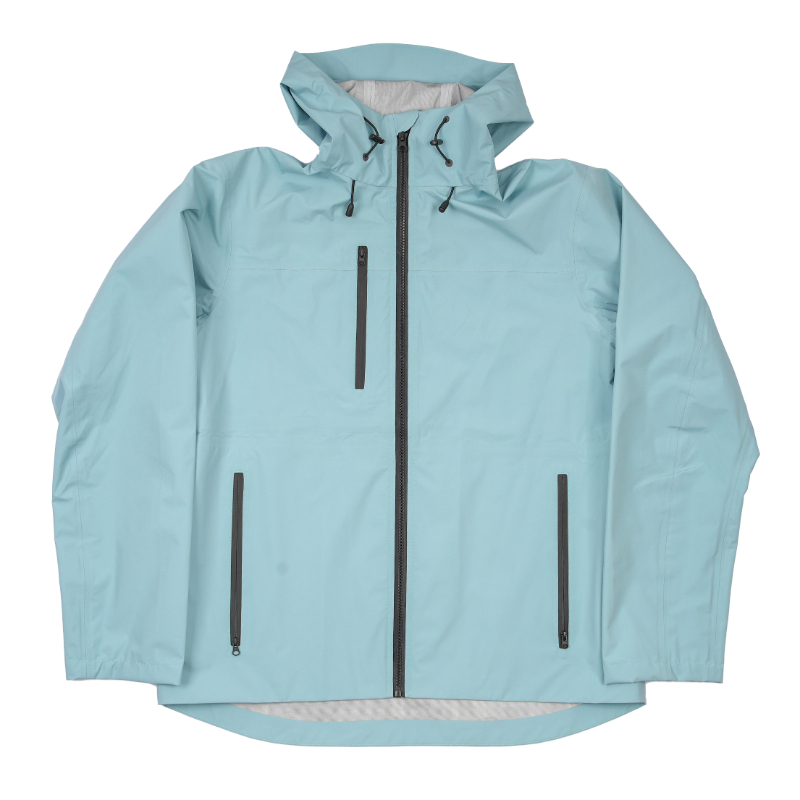
Outdoor clothes are specifically designed to empower adventurers and outdoor enthusiasts, with advantages that address the unique challenges of nature—from unpredictable weather to rough terrain. The first and most vital advantage is superior weather protection. Unlike regular casual wear, outdoor clothes use advanced fabrics like waterproof-breathable membranes (such as GORE-TEX) and water-repellent coatings that block rain, snow, and wind while allowing sweat to escape. This means whether you’re caught in a sudden downpour or facing chilly gusts on a mountain, outdoor clothes keep you dry and warm, preventing discomfort or even hypothermia. Many outdoor clothes also include UV-protective layers with UPF 50+ ratings, shielding your skin from harsh sunlight during long hikes or beach trips.
Second, outdoor clothes prioritize all-day comfort for active movement. Outdoor activities like hiking, climbing, or camping require constant motion, and outdoor clothes are tailored to support this. They feature stretchable materials that move with your body—whether you’re reaching for a rock or bending to tie your shoe—without feeling tight or restrictive. Additionally, outdoor clothes use lightweight, breathable fabrics that reduce bulk and prevent overheating, even during intense workouts. Many styles also have ergonomic designs, such as articulated knees or padded shoulders, to minimize friction and pressure points, ensuring you stay comfortable for hours on end.
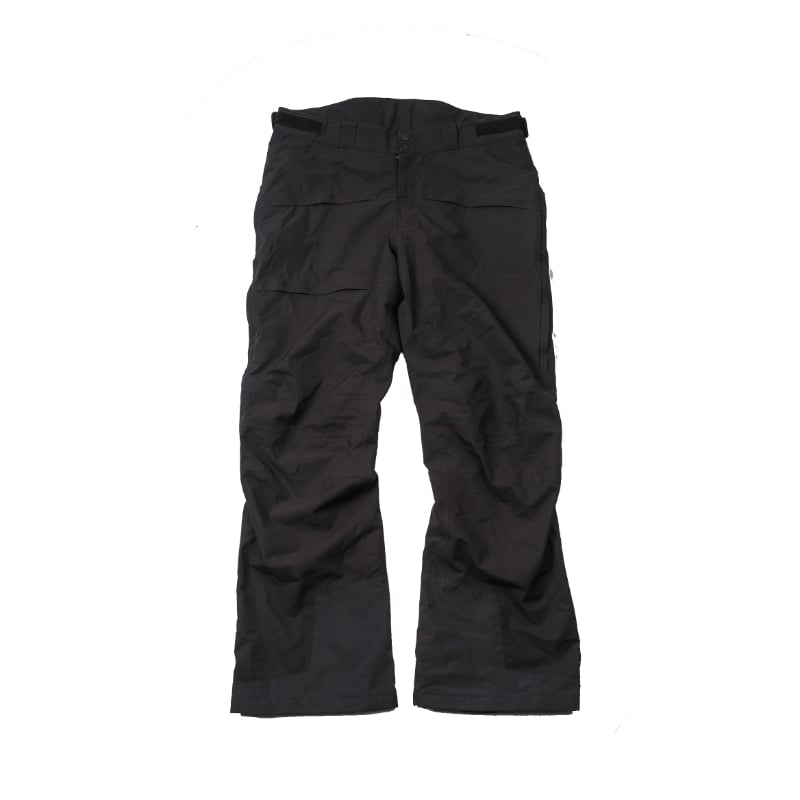
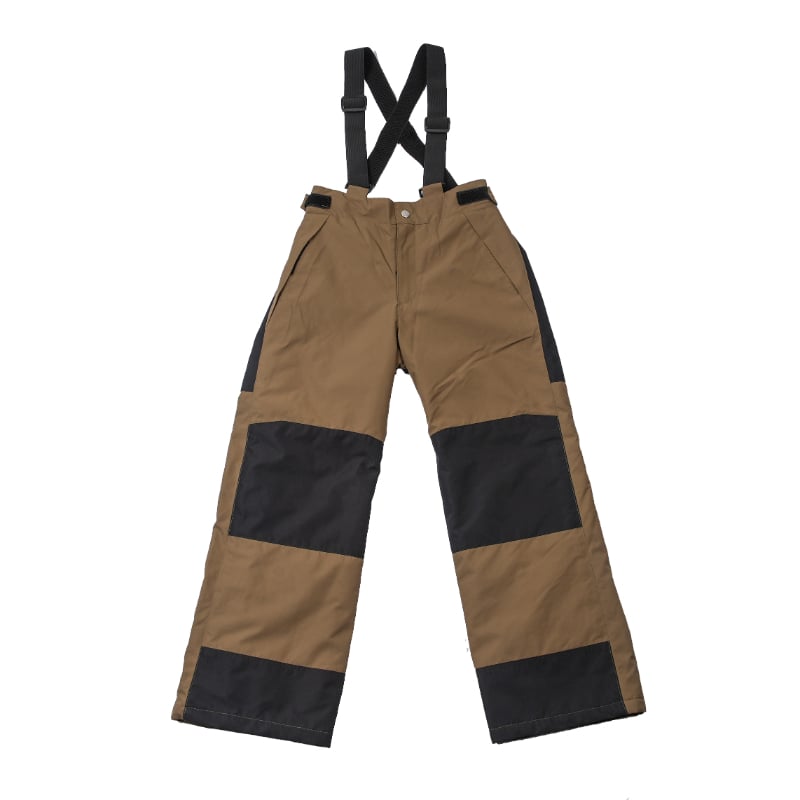
Third, outdoor clothes offer exceptional durability for rough environments. Nature can be tough on clothing—brush, rocks, and repeated use can tear or wear down ordinary fabrics. But outdoor clothes are made with reinforced seams, abrasion-resistant materials (like nylon or polyester blends), and sturdy zippers that withstand frequent use. For example, the knees and elbows of outdoor pants or jackets are often double-layered to resist tears from scraping against rocks. This durability means outdoor clothes last through multiple trips, from forest hikes to desert camping, making them a cost-effective choice for regular outdoor users.
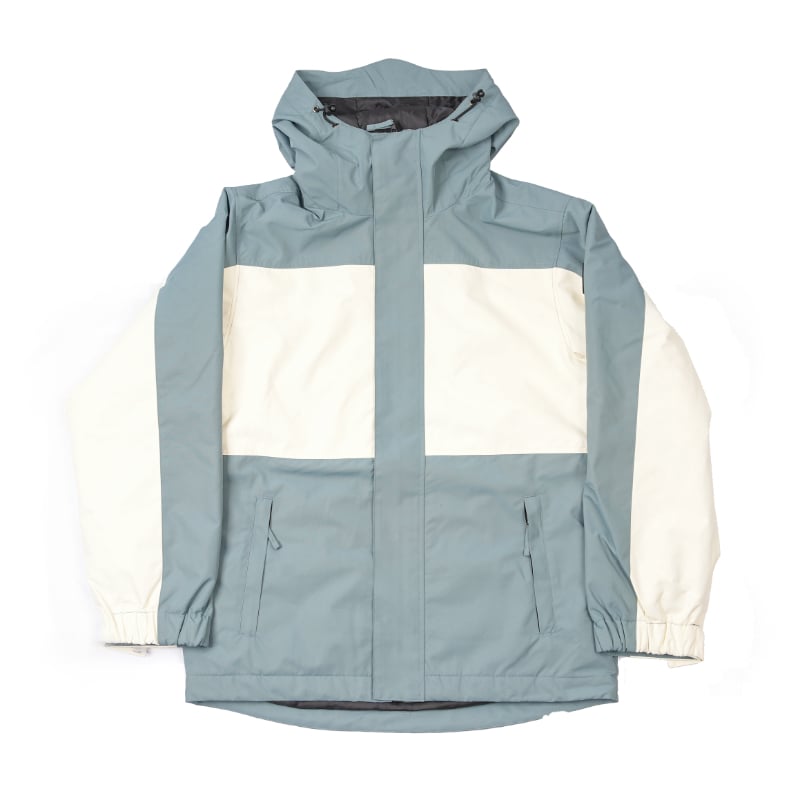
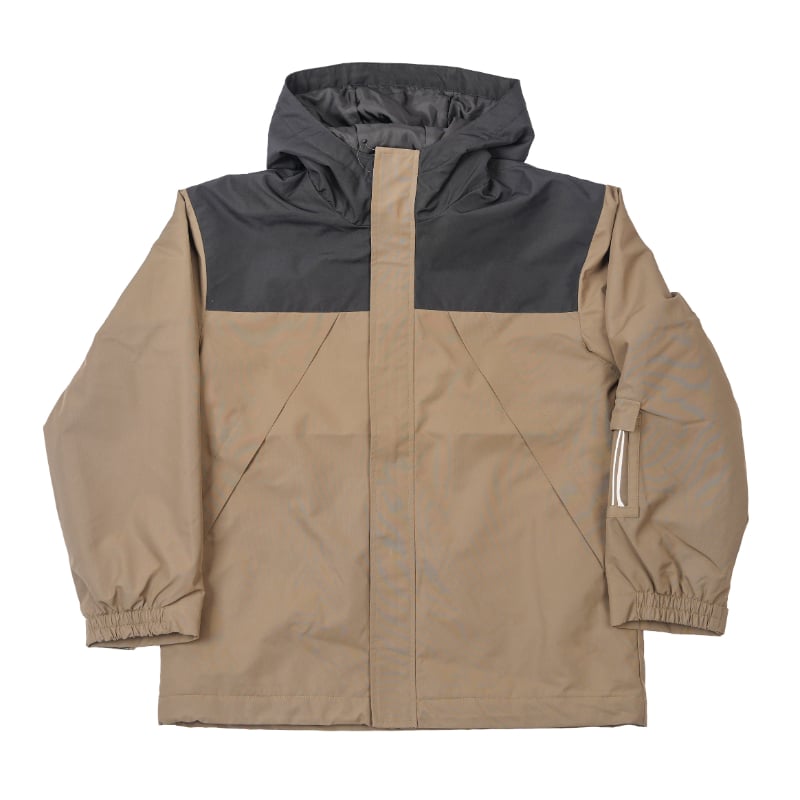
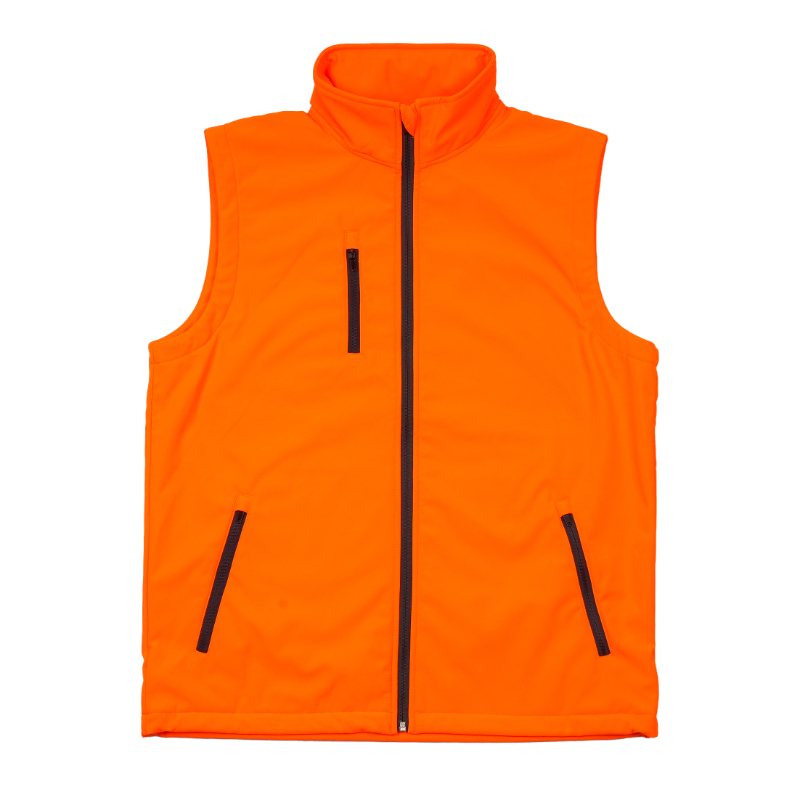
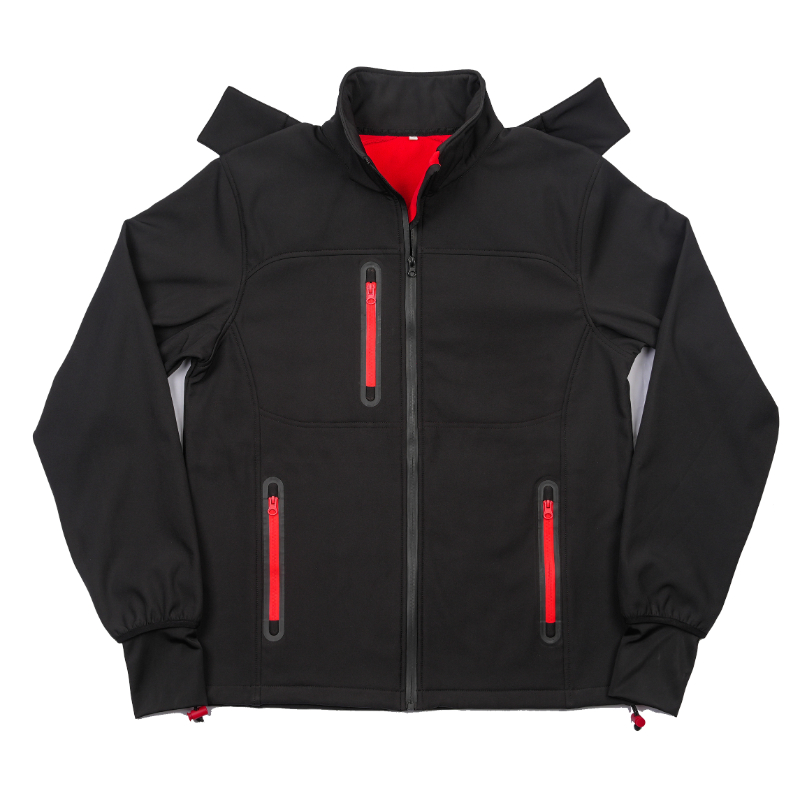
Lastly, outdoor clothes provide practical versatility, a feature that allows them to keep up with fluctuating outdoor conditions. Many pieces are designed with removable layers—like zip-off pants that turn into shorts, or jackets with detachable hoods and liners—so you can adjust your outfit as temperatures rise or fall. Outdoor clothes also include thoughtful details like multiple pockets (for storing gear like maps or phones), drawstrings (to seal out wind), and reflective accents (for visibility during early morning or evening trips). This versatility makes outdoor clothes suitable for a wide range of activities, eliminating the need to pack separate outfits for different scenarios. Together, these advantages make outdoor clothes more than just apparel—they’re a reliable companion for any outdoor adventure.
Applications
Outdoor clothes’ advantages come to life in real-world outdoor scenarios, where they turn challenging environments into manageable, enjoyable experiences. A key application is **long-distance hiking**—a popular activity that exposes hikers to changing weather, rough trails, and hours of walking. Here, outdoor clothes’ weather protection and comfort advantages are game-changers: a hiker wearing a waterproof outdoor jacket and pants stays dry during a sudden rainstorm, while the stretchable fabric of outdoor leggings lets them climb steep sections without restriction. The UV protection in outdoor shirts also prevents sunburn during all-day hikes under clear skies. For example, on a multi-day hike through a forest with variable weather, outdoor clothes adapt—keeping the hiker warm in the morning chill, cool during midday climbs, and dry if afternoon rain hits. Without outdoor clothes, a hiker might face discomfort from wet fabric or sore muscles from restrictive clothing, ruining the trip.
Another vital application is camping trips, where people spend nights outdoors and face cold temperatures, dew, or even light snow. Outdoor clothes’ durability and versatility shine here: a pair of heavy-duty outdoor pants resists tears from sitting on rough ground or gathering firewood, while a removable-liner outdoor jacket lets campers adjust warmth—wearing the liner alone during mild evenings or adding the outer shell for cold nights. The multiple pockets in outdoor shirts also let campers store small essentials like a compass or fire starter, keeping hands free. For instance, when camping in a mountain area where temperatures drop below 10°C at night, an outdoor down jacket (a type of outdoor clothes) provides lightweight warmth without bulk, ensuring a comfortable night’s sleep and energy for the next day’s activities.
A third key application is mountain climbing, a high-intensity activity that demands both protection and flexibility. Outdoor clothes’ stretchable, durable materials are essential here: an outdoor climbing jacket with articulated shoulders lets climbers reach overhead without tearing, while abrasion-resistant outdoor gloves (part of outdoor clothes) protect hands from sharp rock edges. The windproof feature of outdoor jackets also shields climbers from strong gusts at high altitudes, preventing wind chill. For example, when climbing a rocky peak, a climber wearing outdoor clothes can move freely, grip rocks securely with protected hands, and stay warm even in windy conditions—something regular clothes would fail to do, putting the climber at risk of injury or discomfort.
Finally, outdoor clothes are ideal for water-based activities like kayaking or fishing, where splashes and damp conditions are common. Waterproof outdoor jackets and pants keep users dry, while quick-drying outdoor shirts prevent chills from wet fabric. The lightweight design of outdoor clothes also means they don’t weigh users down in water, making movement easier. In all these applications, outdoor clothes prove they’re not just for “extreme” outdoor lovers—they’re essential for anyone who wants to stay safe, comfortable, and prepared while enjoying nature.
 February 26, 2026
 High Visibility Clothes
 EN
EN


 REQUEST AN ESTIMATE
 Home
Home