
 High Visibility Clothes
 EN
EN
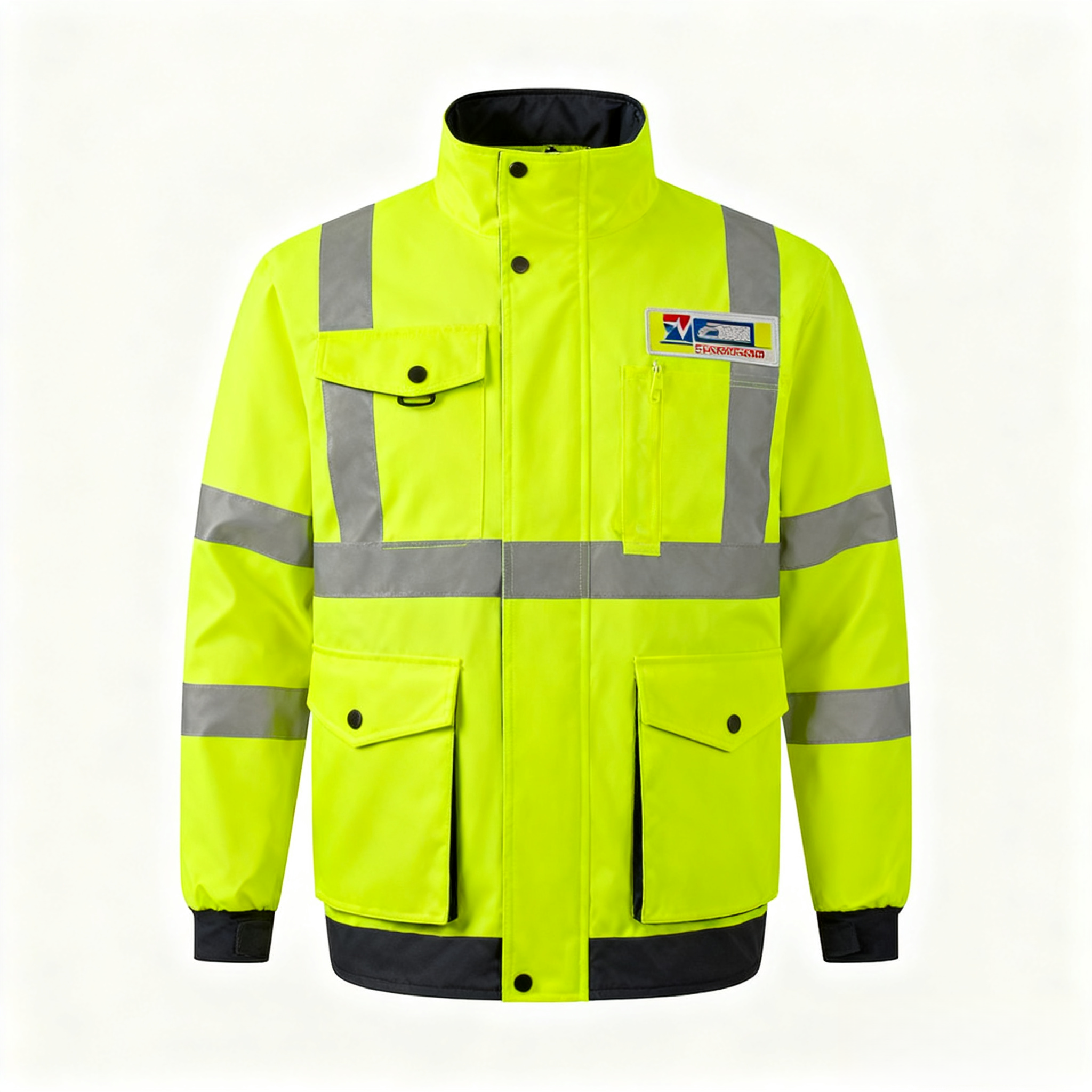
Layer Clothing Properly Under a Waterproof Hi-Vis Jacket to Avoid Restricting Movement.
Why Layering Smart Beats Layering Thick Under a Waterproof Hi-Vis Jacket
Last spring, I accompanied a bridge inspection team in Wales during a cold rainstorm, and I witnessed a common mistake firsthand. A new technician layered three thick cotton sweatshirts under his waterproof hi-vis jacket to stay warm. Within 20 minutes, he was struggling to lift his arms to use his inspection camera, and he was soaked with sweat inside the jacket despite the cold outside. This is a classic case of over-layering, which defeats the purpose of a waterproof hi-vis jacket entirely. At Rafeel Safety, we design our waterproof hi-vis jacket with a tailored, ergonomic fit that’s meant to work with strategic layers, not against bulky ones. Our waterproof hi-vis jacket features articulated elbows and a gusseted back, which are engineered for maximum movement, but those design benefits disappear if you cram heavy layers underneath. The key takeaway is that a waterproof hi-vis jacket should be the outermost shell of a balanced system; the layers beneath must be thin, breathable, and flexible to keep you warm without turning your waterproof hi-vis jacket into a restrictive, uncomfortable barrier.
The Three Layer System That Works With a Waterproof Hi-Vis Jacket
To avoid restricted movement, Rafeel Safety recommends a proven three layer system that complements the design of our waterproof hi-vis jacket perfectly. The base layer, worn directly under the waterproof hi-vis jacket, should be a thin, moisture-wicking fabric like merino wool or synthetic blend. This layer pulls sweat away from your skin, preventing the damp chill that makes workers add unnecessary bulk. The middle layer is for insulation, and we suggest a lightweight fleece or a thin down vest—something that traps heat but compresses easily under the waterproof hi-vis jacket. Avoid thick knit sweaters or hoodies here, as they bunch up at the shoulders and limit arm movement. The shell layer, of course, is your Rafeel Safety waterproof hi-vis jacket, which is designed to slide over these layers smoothly. Our waterproof hi-vis jacket uses a lightweight yet durable outer material that doesn’t add extra bulk, so the slim layers underneath translate directly to full mobility. Mastering this system ensures your waterproof hi-vis jacket protects you from the elements while letting you bend, reach, and climb without hesitation.
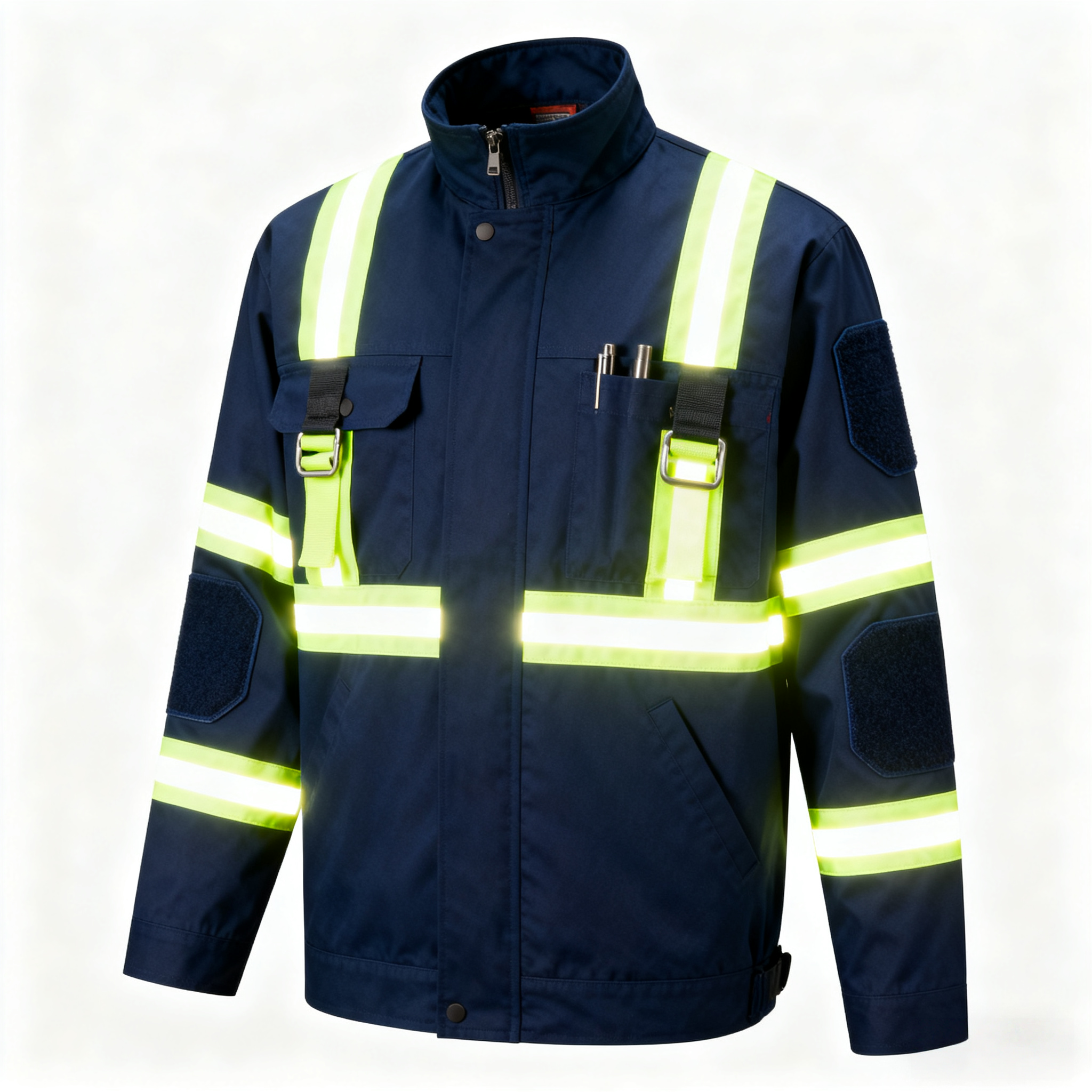
Authoritative Guidelines for Layering Under Protective Workwear
Leading occupational safety and ergonomics experts agree that improper layering can create safety hazards, and this is codified in guidelines that apply to your waterproof hi-vis jacket. The American National Standards Institute (ANSI) emphasizes that personal protective equipment, including a waterproof hi-vis jacket, must not impede a worker’s range of motion, as restricted movement is a leading cause of workplace injuries like strains and falls. In Europe, the EN ISO 11073 standard for ergonomics in personal protective equipment mandates that clothing systems must allow for natural body movement. Rafeel Safety’s design team uses these standards as the foundation for every waterproof hi-vis jacket we build. We conduct fit tests with real workers wearing the recommended base and middle layers to ensure our waterproof hi-vis jacket never restricts movement. We also include these layering guidelines in the user manual of every waterproof hi-vis jacket, so employers and workers have a clear, authoritative reference to follow for safe and comfortable wear.
How Rafeel’s Design Features Prevent Restriction Under a Waterproof Hi-Vis Jacket
What sets a Rafeel Safety waterproof hi-vis jacket apart is how we engineer it to accommodate proper layering while maintaining a sleek profile. First, our waterproof hi-vis jacket has a generous arm circumference that’s calibrated to fit over a thin fleece layer without tightness around the biceps, a common pain point for workers. Second, we use a flexible, four way stretch material in the critical movement zones of the waterproof hi-vis jacket, such as the underarms and sides. This stretch fabric moves with your body, so even when layered, your waterproof hi-vis jacket never binds during a deep bend or a high reach. Third, our waterproof hi-vis jacket features adjustable cuffs and a hem with easy to reach toggles, so you can fine tune the fit over your layers without creating tight spots. These intentional design choices mean that when you follow our layering advice, your waterproof hi-vis jacket becomes an extension of your body, offering protection without compromise.
Common Layering Mistakes to Avoid With Your Waterproof Hi-Vis Jacket
Learning what not to do is just as important as learning the right system, especially when it comes to your waterproof hi-vis jacket. The biggest mistake is wearing cotton as a base layer under a waterproof hi-vis jacket; cotton absorbs sweat and holds it, making you cold and forcing you to add more layers that restrict movement. Another error is wearing a hooded sweatshirt under the waterproof hi-vis jacket. The bulk of the hood at the neck and shoulders causes the waterproof hi-vis jacket to ride up and limits head movement, which is dangerous for workers operating machinery. A third mistake is over tightening the waist of your waterproof hi-vis jacket over thick layers, which compresses your core and makes bending over extremely difficult. Rafeel Safety addresses these pain points by designing our waterproof hi-vis jacket with a high collar that eliminates the need for a hood under the jacket, and a relaxed core fit that accommodates a thin insulating layer without compression. By avoiding these mistakes and following our lead, you’ll ensure your waterproof hi-vis jacket keeps you safe, visible, and fully mobile on the job.

 REQUEST AN ESTIMATE
 Home
Home