
Outdoor Clothes
Advantages
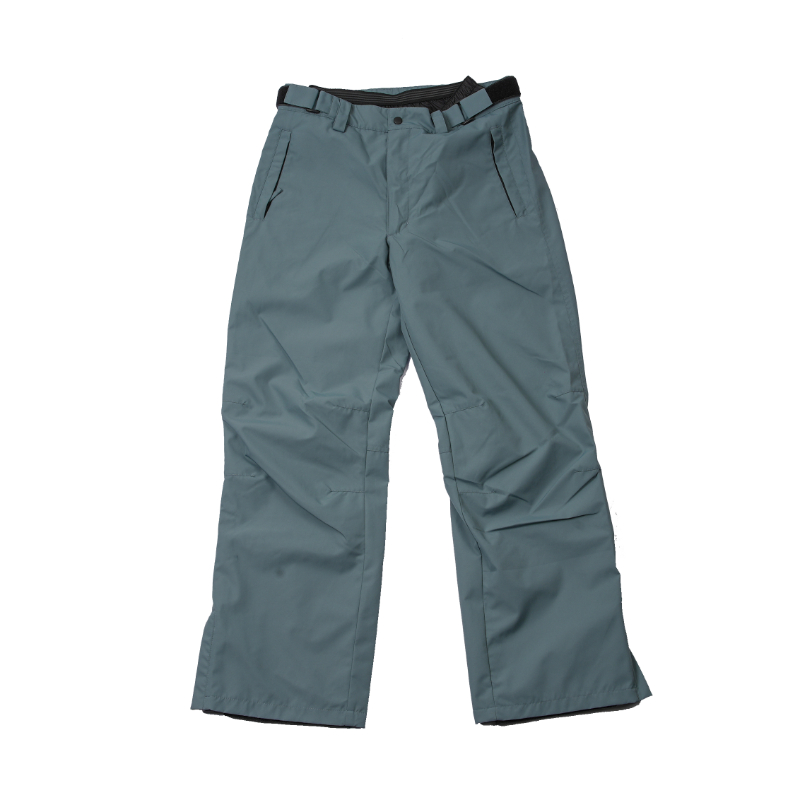
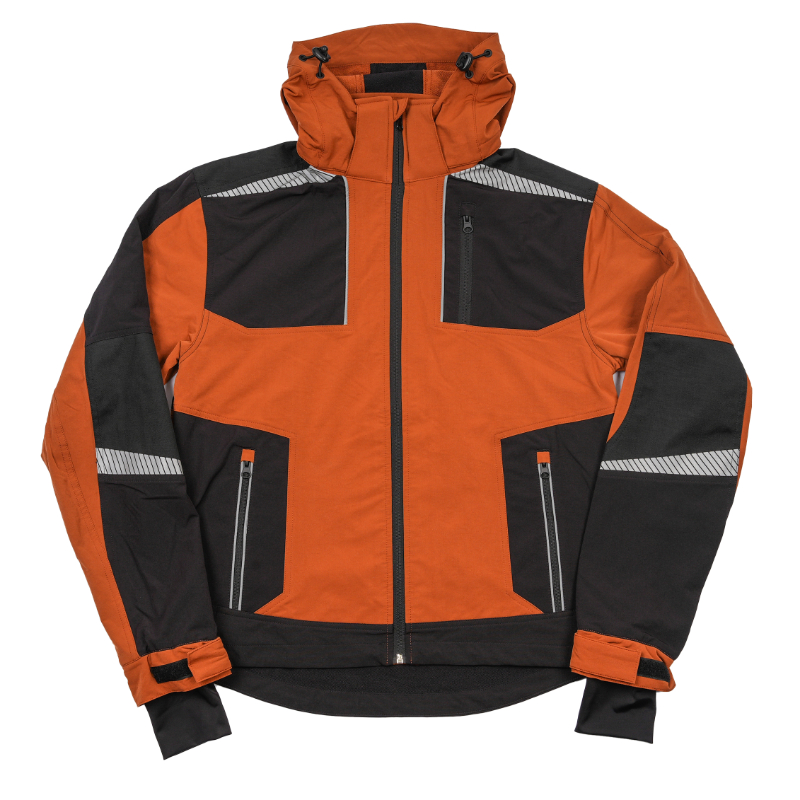
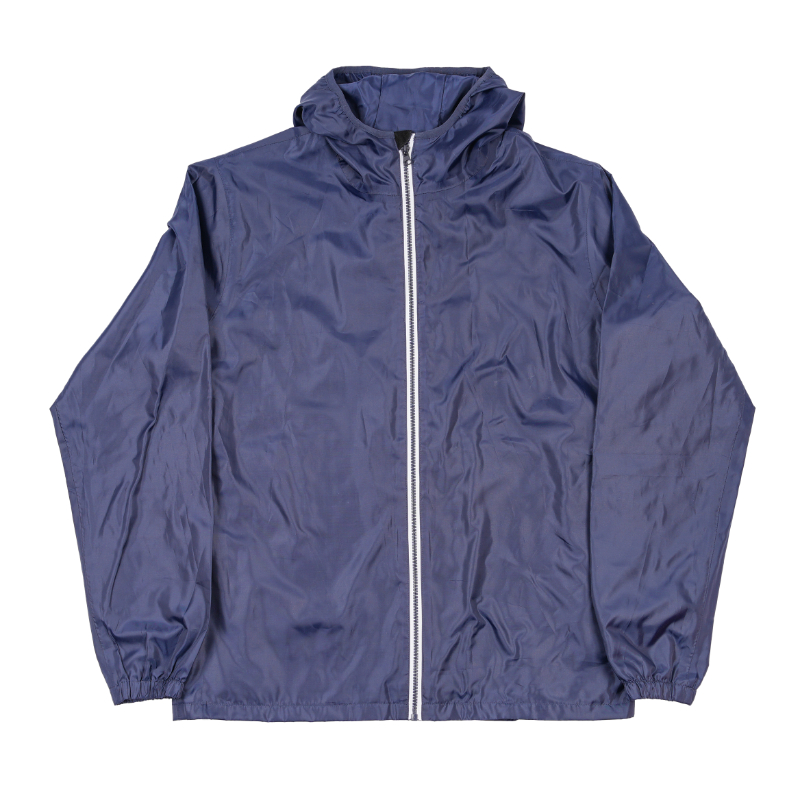
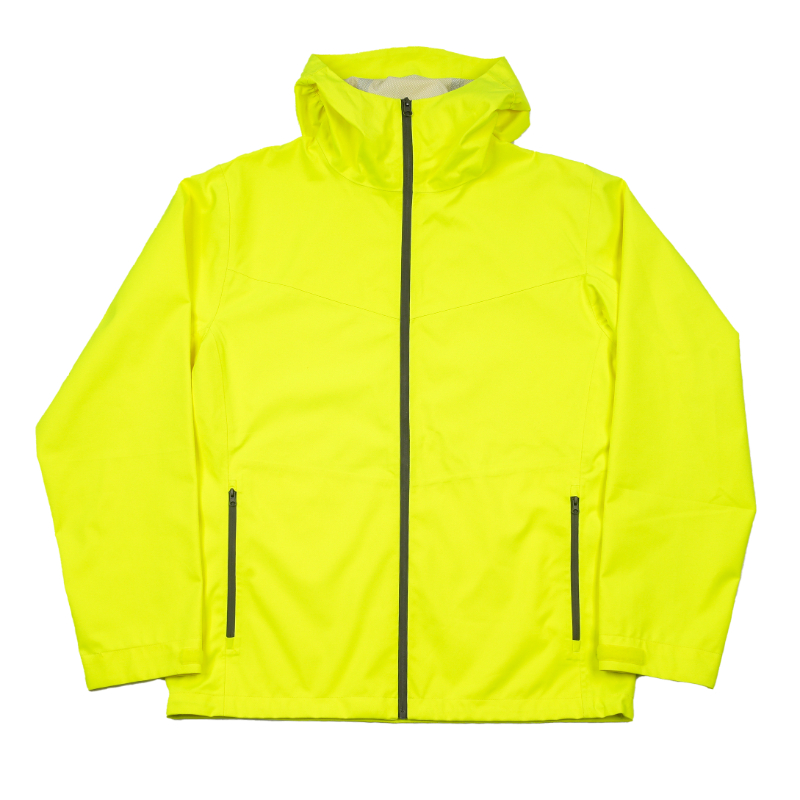
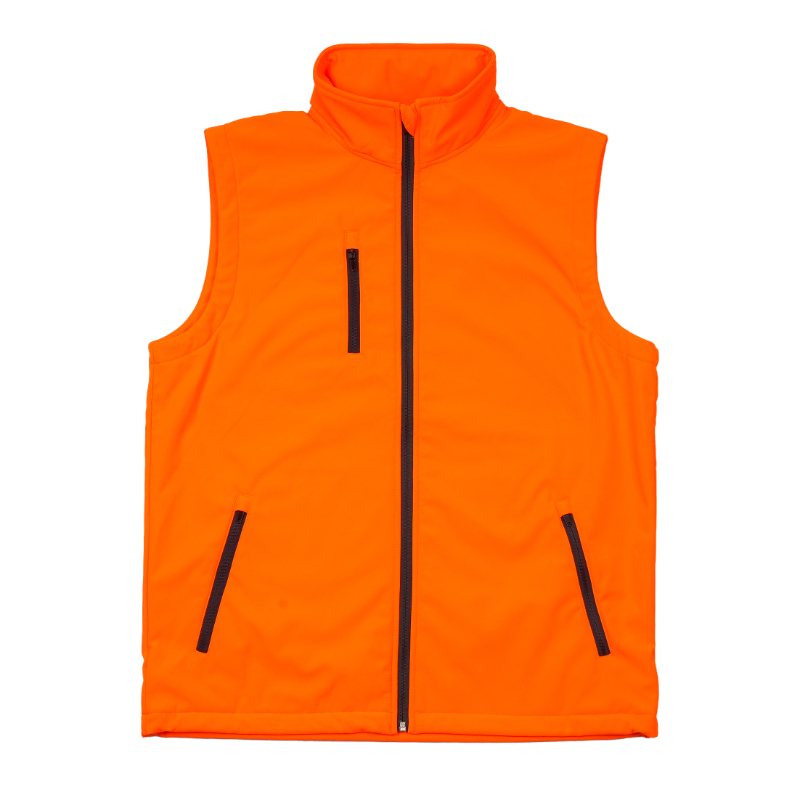
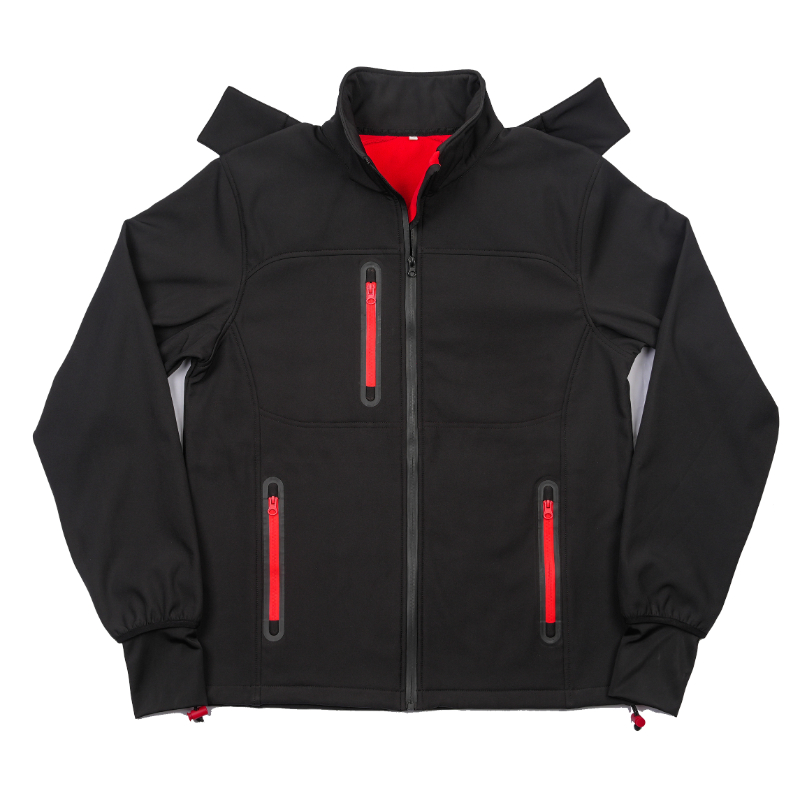
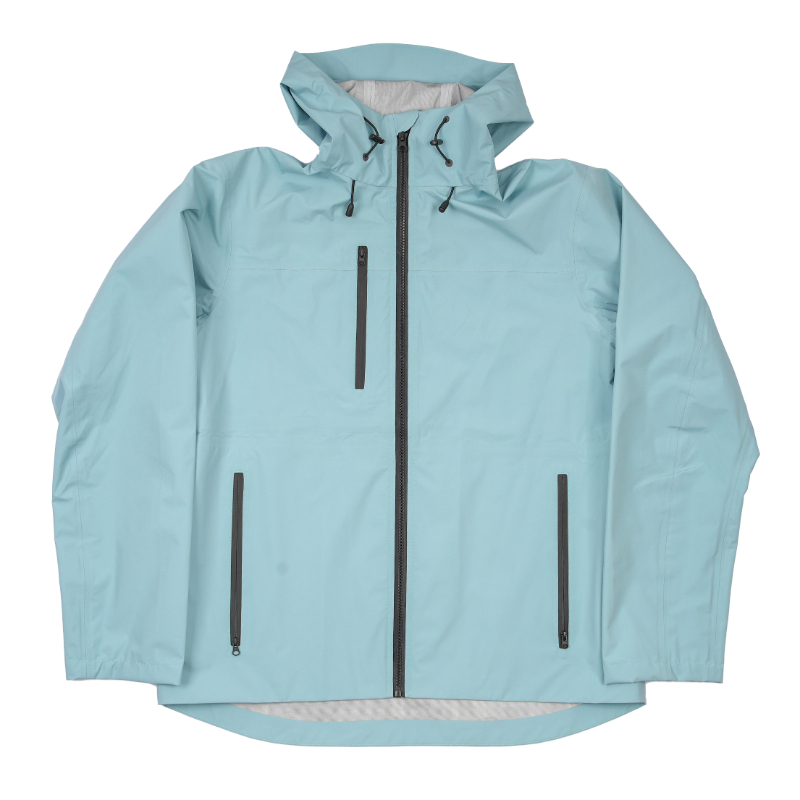
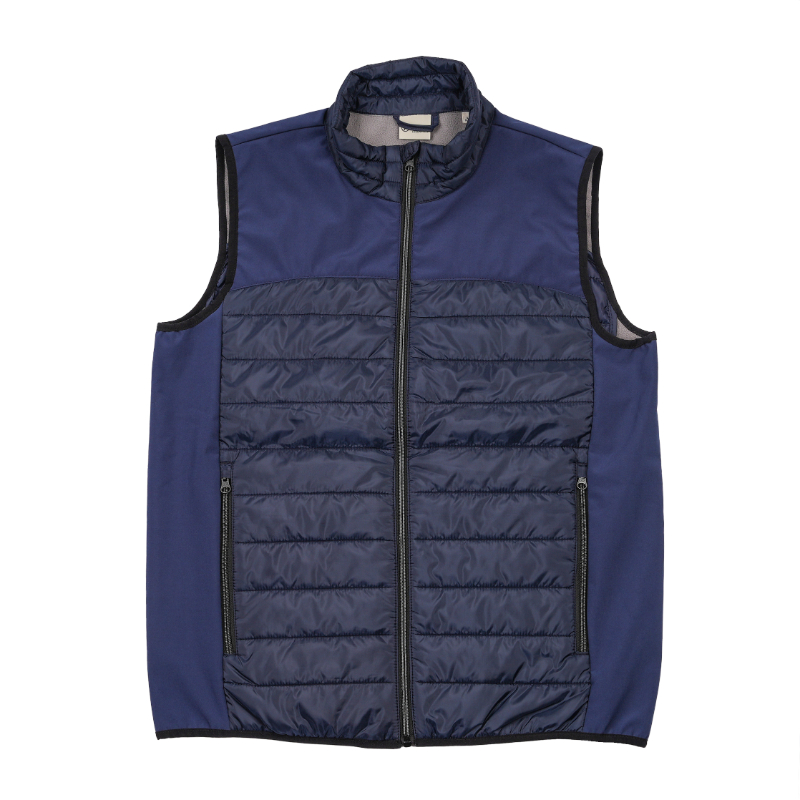
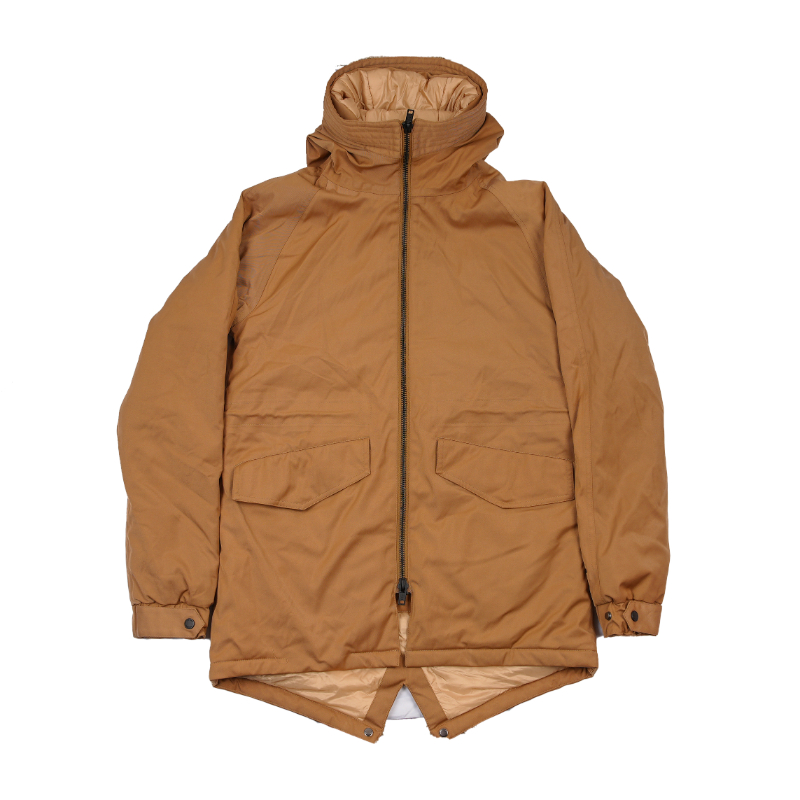
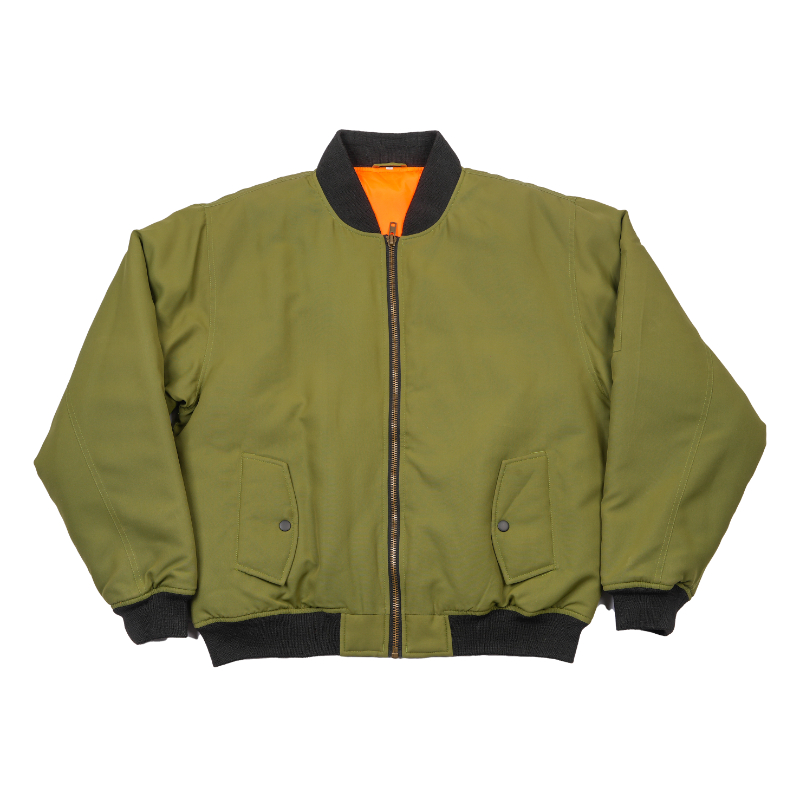
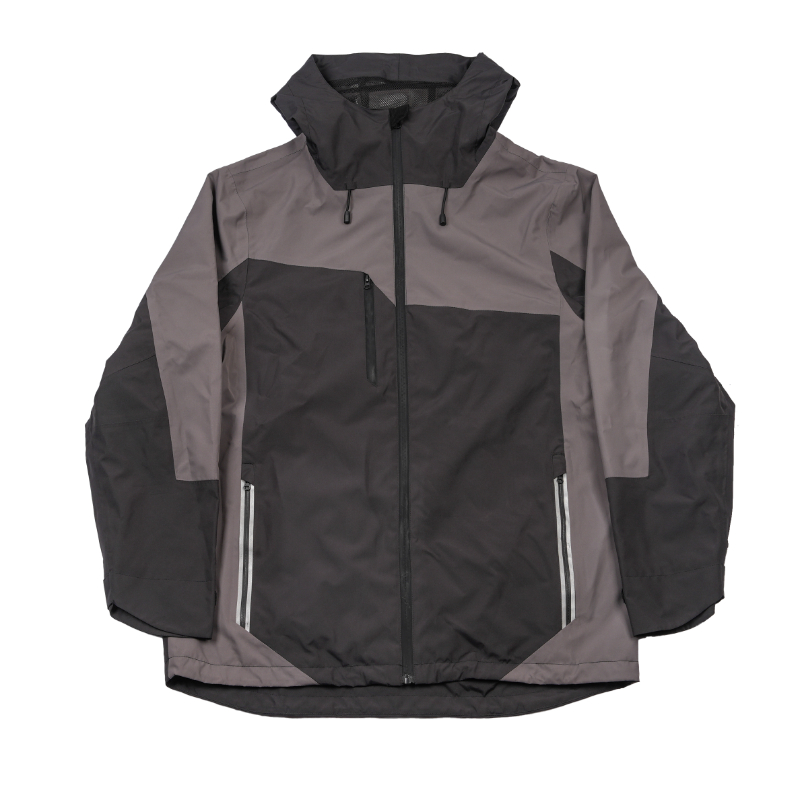
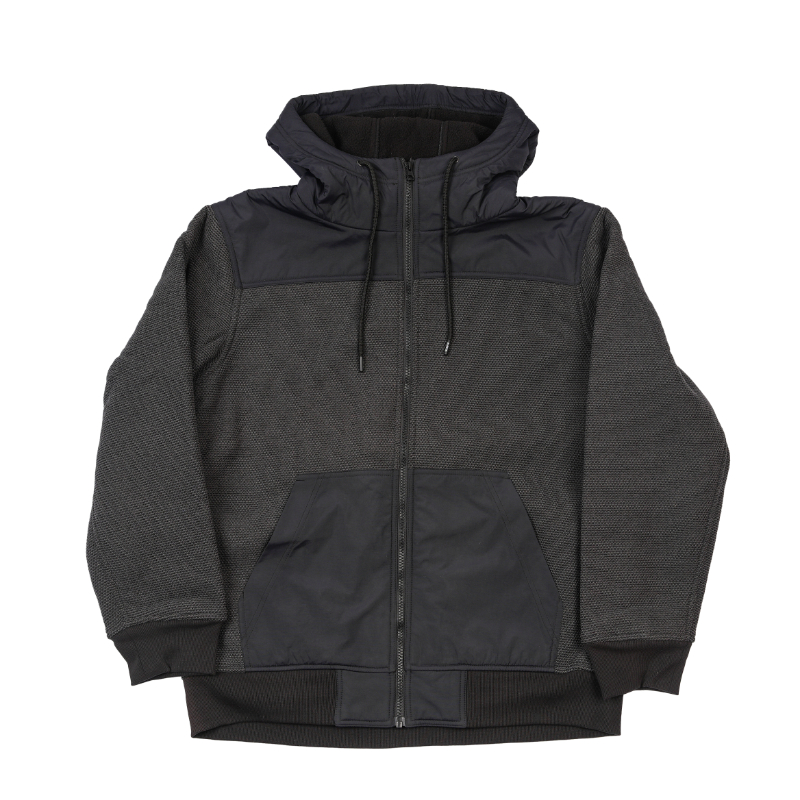
Our outdoor clothes are tailored to be the ultimate companion for every outdoor enthusiast, with four core advantages that tackle the unpredictable challenges of nature while prioritizing user experience. The first and most essential advantage is **all-scenario protective performance**—unlike ordinary casual wear that fails to adapt to outdoor hazards, our outdoor clothes are designed to shield against diverse elements. For sunny hikes, they feature UPF 50+ UV protection to block harmful sun rays; for sudden rain showers, water-repellent coatings on jackets and pants keep moisture out; and for cool evenings, lightweight insulating layers trap body heat without adding bulk. This multi-layered protection ensures outdoor clothes keep you safe from sunburn, dampness, or chills, no matter what the outdoors throws your way.
Second, our outdoor clothes deliver **all-day comfort for active movement**—a must for activities that involve hours of walking, climbing, or setting up camp. They’re crafted from breathable, moisture-wicking fabrics (like polyester-cotton blends or merino wool) that draw sweat away from the skin and allow air circulation, preventing the “clammy” feeling that comes with trapped moisture. The designs also prioritize mobility: outdoor clothes have stretchable panels at the shoulders and knees, relaxed fits that avoid tightness, and flatlock seams that reduce chafing against the skin. Whether you’re scrambling up a rocky trail or kneeling to pitch a tent, outdoor clothes move with your body, keeping you focused on the adventure instead of adjusting your gear.
Third, these outdoor clothes offer **versatile adaptability to changing conditions**—a key benefit for outdoor activities where weather or terrain can shift quickly. Many pieces are modular: jackets have removable hoods and liners, pants convert to shorts with zip-off legs, and base layers can be layered under mid-layers for extra warmth. This versatility means you don’t need to pack separate outfits for different scenarios—outdoor clothes adjust to rising temperatures, sudden rain, or cool nights with simple tweaks. For example, a zip-off pant can go from full-length for morning hikes to shorts for afternoon exploration, while a jacket liner can be removed when the sun comes out, making outdoor clothes lightweight and space-saving for travel.
Lastly, our outdoor clothes boast **long-lasting durability for rough use**—critical for outdoor environments that test clothing with scrapes, dirt, and repeated washes. They’re made from abrasion-resistant materials (like nylon blends) that resist tears from rocks, branches, or backpack straps. The fabrics also resist fading from sun exposure and retain their shape after multiple washes, while hardware (like zippers and buttons) is rust-proof and heavy-duty to avoid breaking. This durability means outdoor clothes stay in top condition through countless hikes, camps, and park visits, making them a cost-effective investment for regular outdoor users.
Applications
The advantages of our outdoor clothes come to life in real-world outdoor scenarios, where they turn ordinary outings into comfortable, protected adventures. A key application is **mountain trail hiking**—a popular activity that involves uneven terrain, changing temperatures, and potential weather shifts. Here, outdoor clothes’ protective performance and comfort shine: the UPF protection shields hikers from intense mountain sun, while moisture-wicking fabric keeps them dry during steep climbs. For example, a hiker tackling a 10-mile trail with elevation changes would face cool mornings and warm afternoons—outdoor clothes’ modular design lets them start with a layered jacket and base layer, then remove the jacket when temperatures rise, avoiding overheating. The stretchable panels also let hikers scramble over rocks without restrictive fabric, while the durable material resists scrapes from sharp stones. Without outdoor clothes, a hiker might suffer sunburn, chafing, or dampness from sweat—ruining the experience—but outdoor clothes keep them protected and focused on the trail.
Another vital application is **camping under the stars**—where campers spend nights outdoors, cook over fires, and navigate campsites in low light. Outdoor clothes’ versatility and durability are essential here: a convertible pant can be worn as shorts during evening campfire sessions and converted to full-length for cool nights, while a lightweight insulating jacket provides warmth without being bulky for sleeping. The durable fabric also resists stains from campfire smoke or food spills, and the moisture-wicking base layers keep campers dry if dew settles on their clothes overnight. For instance, a camper waking up to a chilly morning can layer their outdoor jacket over a base layer to stay warm while making breakfast, then remove the jacket when the sun warms the campsite—outdoor clothes adapt to the rhythm of camp life, keeping comfort a priority.
A third key application is **city park exploration**—a more casual outdoor activity that still benefits from outdoor clothes’ comfort and adaptability. City parks often involve walking on paved paths, sitting on grass, or playing with kids, and outdoor clothes’ breathable fabric keeps users comfortable during long strolls. The water-repellent feature also comes in handy for sudden urban rain showers, while the durable material resists dirt from grass or playgrounds. For example, a family visiting a park for a picnic would appreciate outdoor clothes’ stain-resistant fabric (protecting against food spills) and stretchable design (letting kids run and play without restriction). Unlike regular casual wear that might get ruined by grass stains or rain, outdoor clothes stay clean and functional, making post-park cleanup easy.
Finally, outdoor clothes are ideal for **forest trail walking**—where walkers face dense vegetation, damp ground, and potential insect exposure. The durable fabric of outdoor clothes resists tears from branches, while the moisture-wicking material keeps walkers dry if they step in damp grass. Some outdoor clothes also have insect-repellent treatments (a bonus feature) to keep bugs away during evening walks. For instance, a walker exploring a forest trail at dusk would stay protected from mosquito bites and dampness with outdoor clothes, while the UPF protection shields them from late-afternoon sun filtering through trees. In all these applications, outdoor clothes prove they’re not just “hiking gear”—they’re versatile, reliable apparel that enhances every outdoor experience, whether it’s a challenging mountain hike or a casual park picnic.
 February 26, 2026
 High Visibility Clothes
 EN
EN


 REQUEST AN ESTIMATE
 Home
Home