
High Visibility Clothes
Advantages
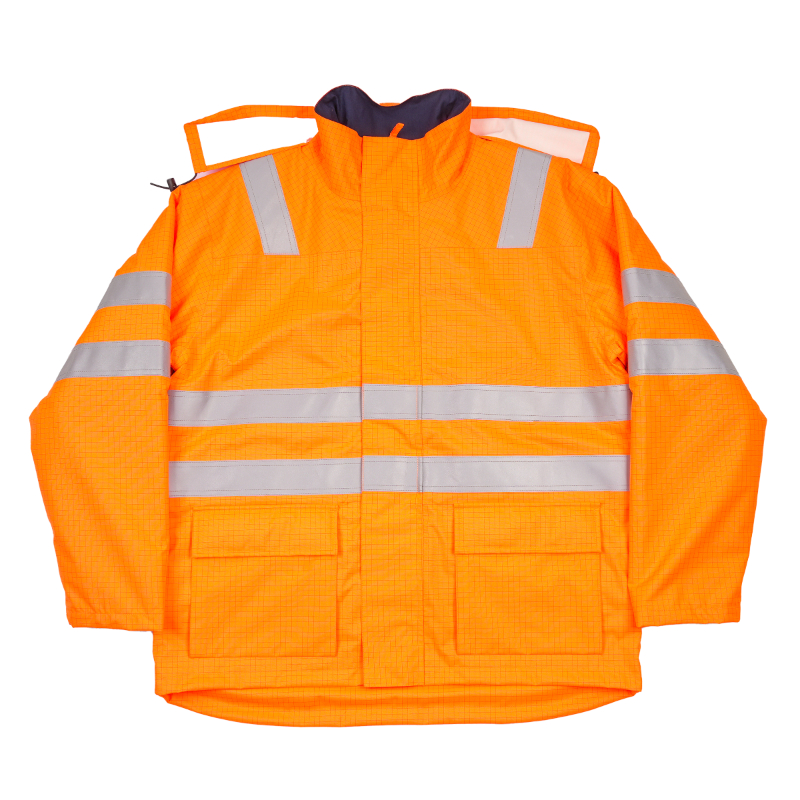
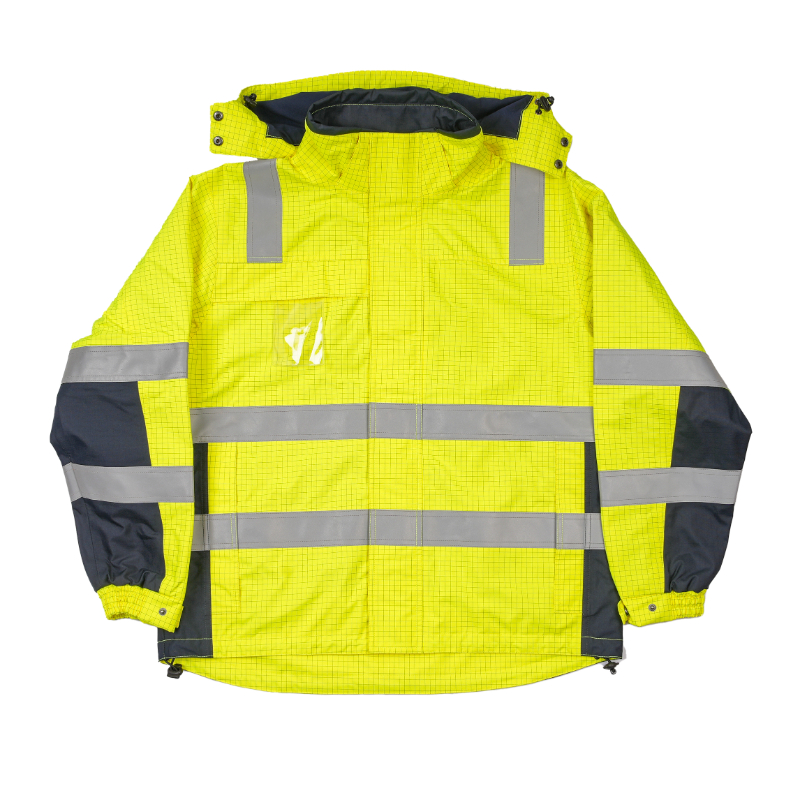
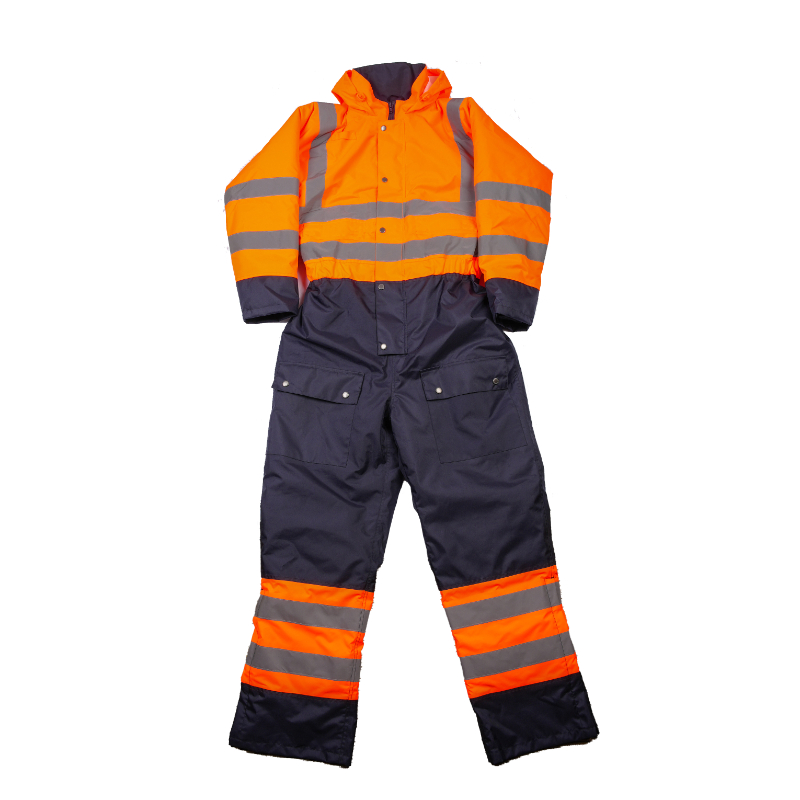
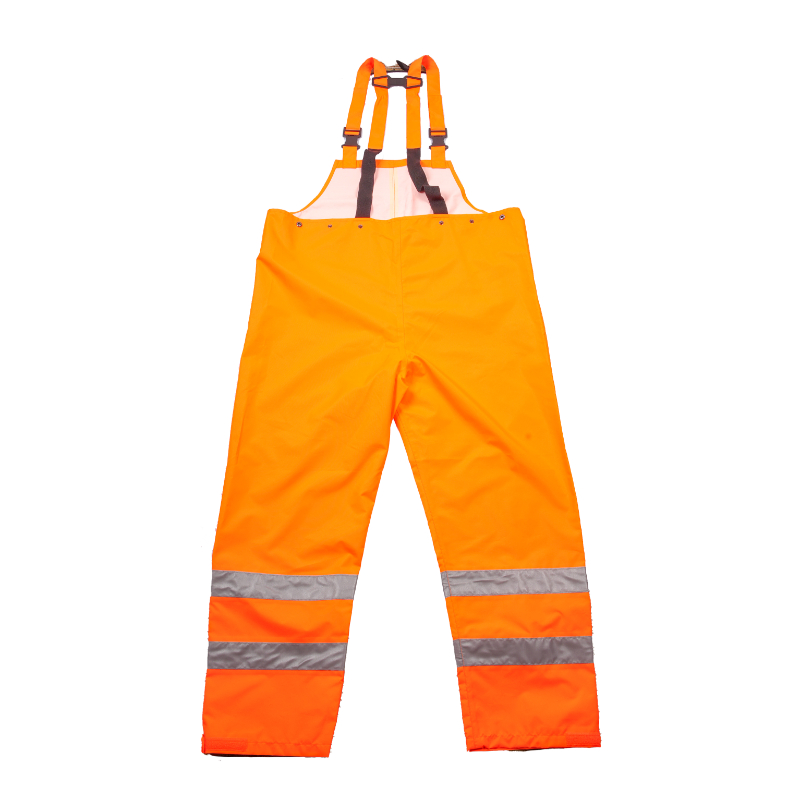
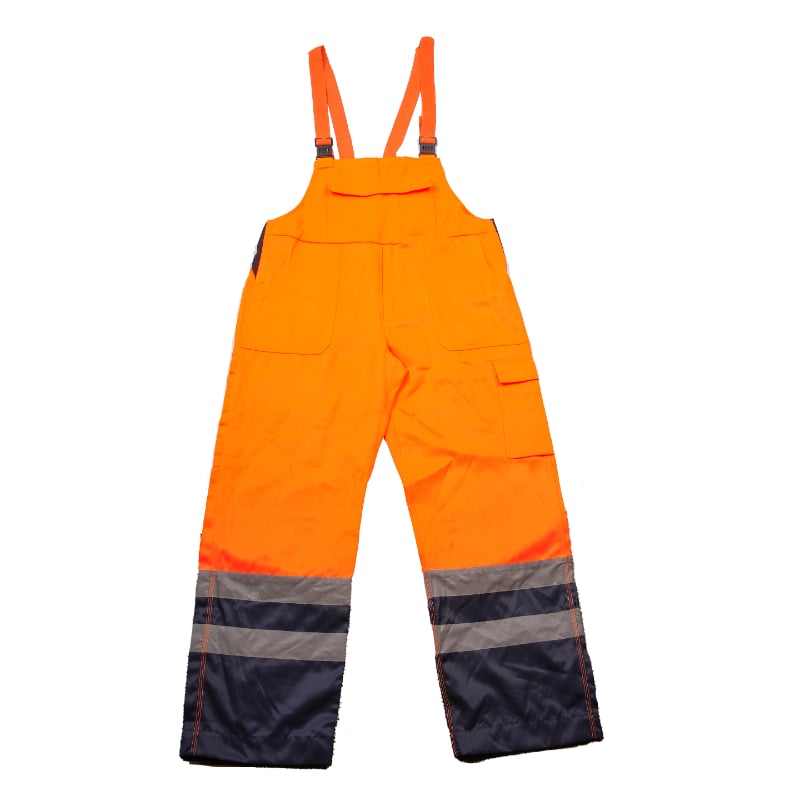
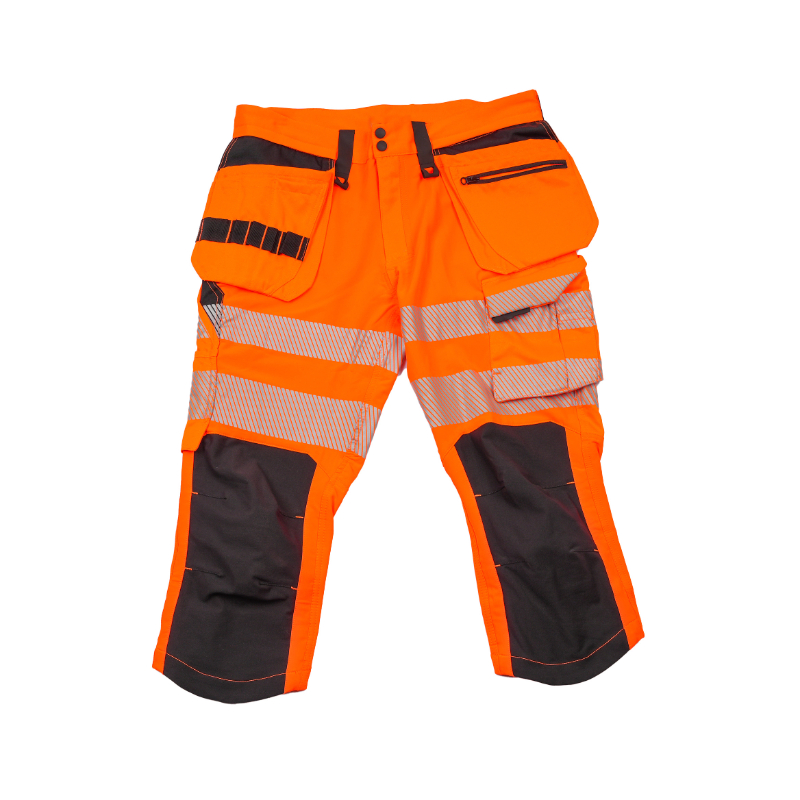
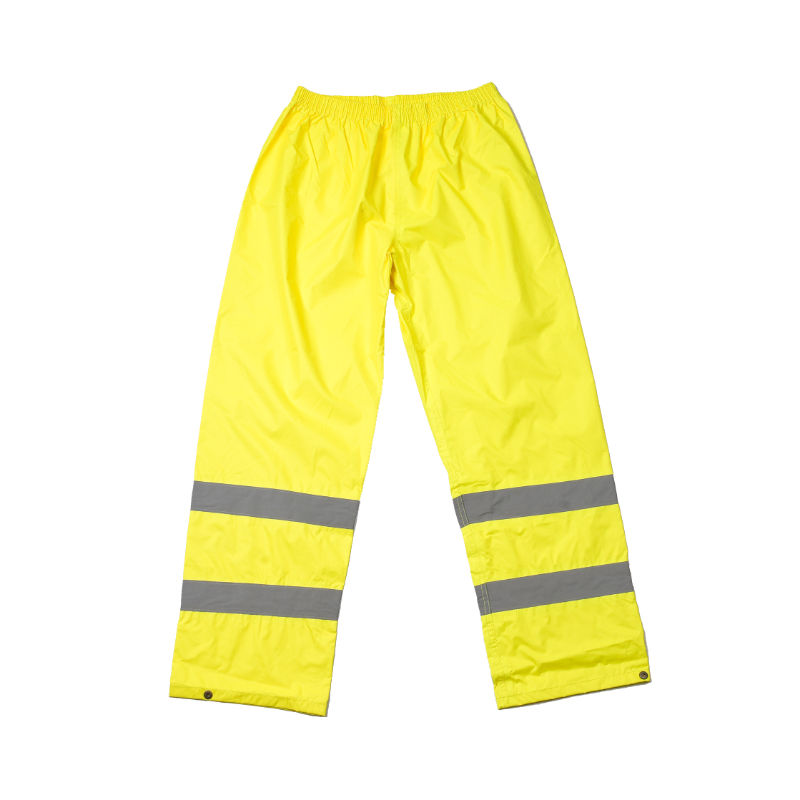
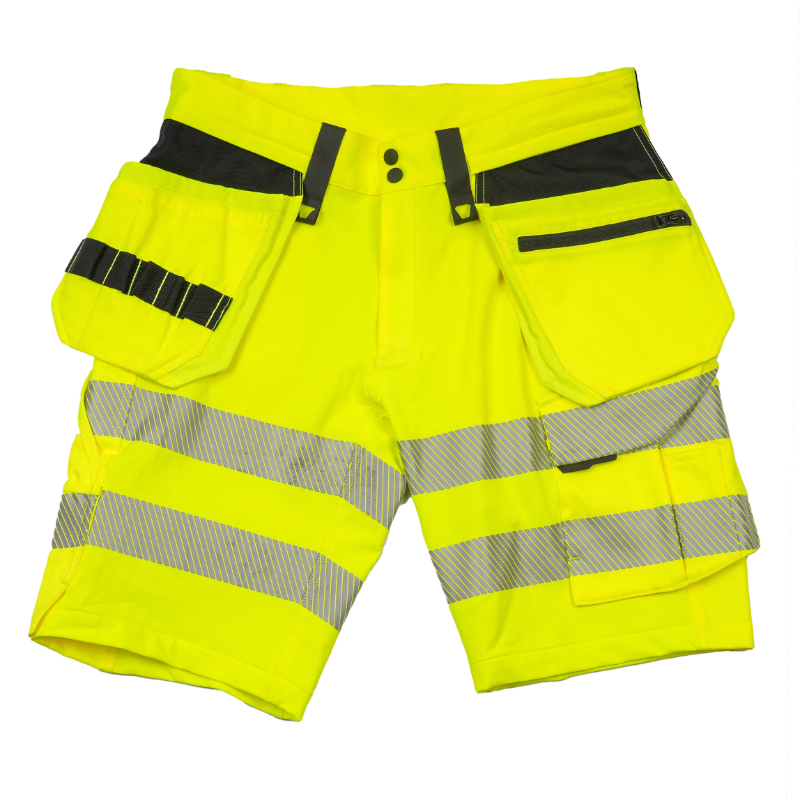
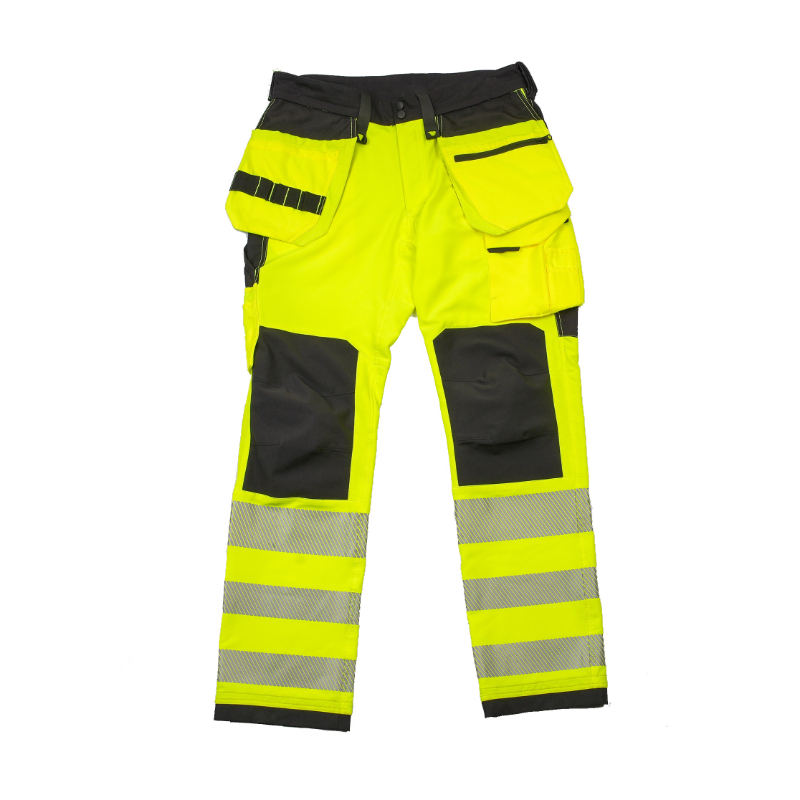
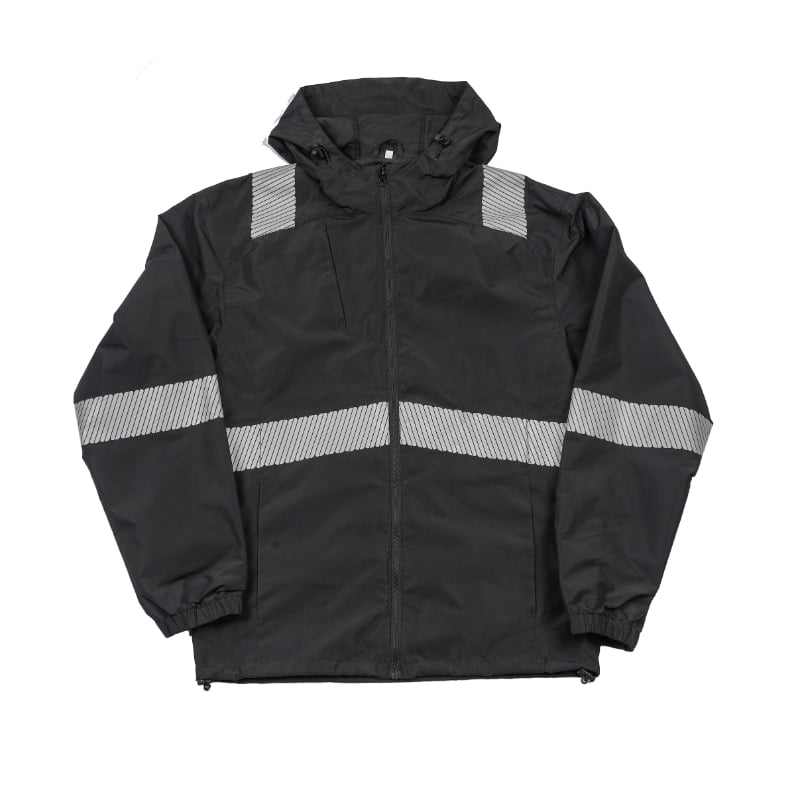
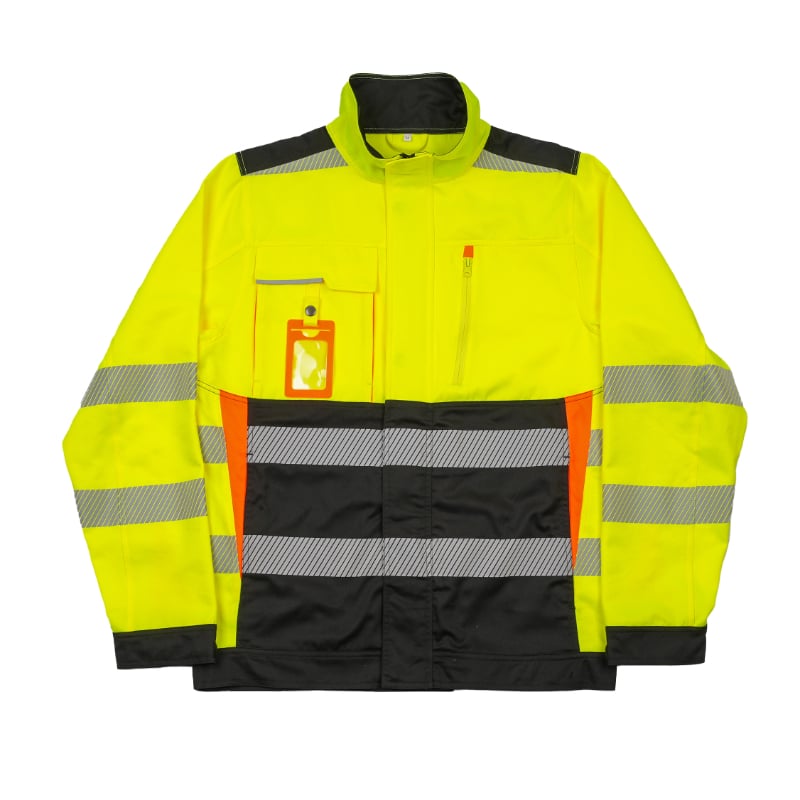
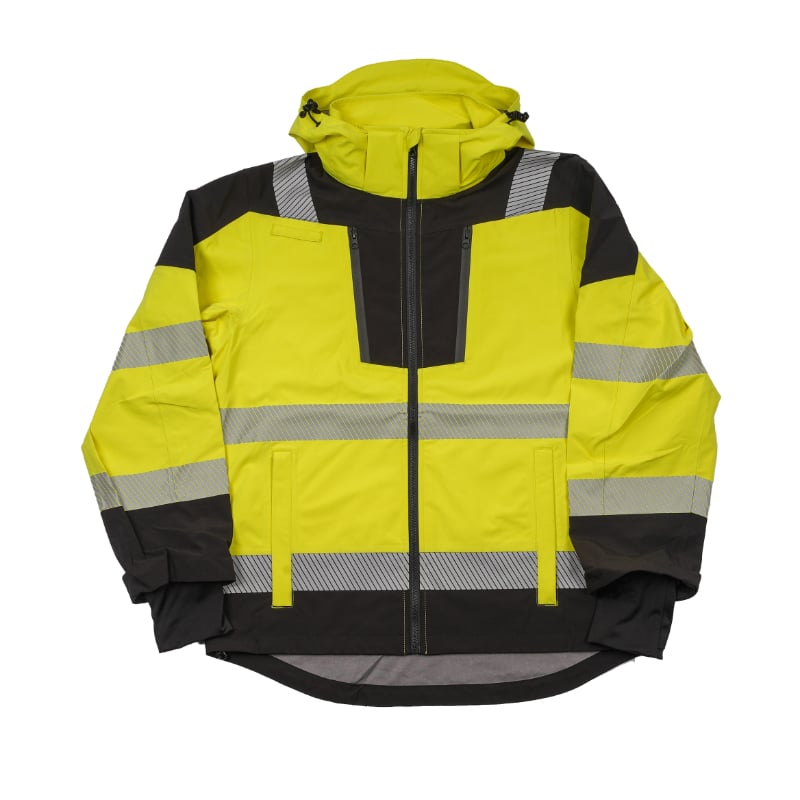
High visibility clothes are engineered to be a lifeline for workers in low-visibility environments, with advantages that address safety, practicality, and long-term usability. The most critical advantage is their superior light-reflective and fluorescent performance—unlike regular workwear, high visibility clothes use specialized fluorescent fabrics that glow brightly in dim light, paired with wide, high-quality reflective strips. These strips bounce back light from headlights, job site lamps, or even streetlights, making the wearer stand out sharply against dark backgrounds like night roads, foggy fields, or shadowy warehouses. This means high visibility clothes turn “hard to detect” into “impossible to miss,” drastically lowering the risk of collisions with vehicles, machinery, or other workers.
Second, high visibility clothes ensure strict compliance with global safety regulations. Industries like transportation, construction, and emergency services have strict rules mandating high-visibility gear in high-risk settings. Our high visibility clothes are tested and certified to meet standards such as ANSI/ISEA 107 (U.S.) and EN 13034 (EU), guaranteeing that teams using them avoid violations, fines, or project halts. For businesses, this compliance isn’t just a legal requirement—it’s a way to protect their reputation and show commitment to worker safety, which boosts team morale and trust.
Third, high visibility clothes prioritize all-day comfort for active work. Many safety garments feel bulky or restrictive, but high visibility clothes are made with lightweight, breathable materials like mesh or moisture-wicking fabric. These materials let air circulate, preventing overheating during physical tasks like lifting, digging, or walking long distances. They also feature adjustable cuffs, waistbands, and collars, so high visibility clothes fit workers of all body types snugly without limiting movement. Whether someone is bending to fix a road pothole or climbing a construction ladder, high visibility clothes move with them, keeping focus on the job instead of discomfort.
Lastly, high visibility clothes offer exceptional durability for tough conditions. Work sites are harsh—high visibility clothes resist fading from sun exposure, tearing from scrapes against tools or surfaces, and damage from repeated washes. The reflective strips are bonded with industrial-strength adhesive, so they don’t peel off even after months of use. This durability means high visibility clothes stay effective longer, reducing the need for frequent replacements and cutting down on safety gear costs for teams. Together, these advantages make high visibility clothes more than just safety wear—they’re a reliable, user-centric solution that balances protection and practicality.
Applications
High visibility clothes shine in real-world low-light or high-risk scenarios, where their advantages directly enhance safety and productivity. A key application is road maintenance work—whether it’s patching potholes at dusk, clearing debris after a storm, or painting road lines at night, road workers face constant danger from passing cars. Here, high visibility clothes’ superior reflective performance is critical: a worker wearing high visibility clothes is visible to drivers from up to 500 feet away, giving drivers time to slow down or change lanes. For example, in foggy weather, when regular clothes blend into the gray background, high visibility clothes’ fluorescent fabric cuts through the fog, ensuring workers aren’t hit by distracted drivers. The comfort advantage also matters—road workers often stand or kneel for hours, and high visibility clothes’ breathable fabric prevents sweating and irritation, keeping them focused on their tasks.
Another vital application is construction site operations, especially those running early morning or evening shifts. Construction sites are busy with cranes, excavators, and workers carrying materials—low light increases the risk of accidents. High visibility clothes’ compliance advantage ensures teams meet site safety rules, avoiding delays. But more importantly, their visibility keeps workers safe: a laborer carrying steel beams near a crane is easily spotted by the crane operator thanks to high visibility clothes, preventing accidental collisions. The durability of high visibility clothes also works here—they resist tears from sharp edges of building materials and don’t fade under the sun, staying effective even on long-term projects.
A third key application is emergency response, such as firefighters, paramedics, or search-and-rescue teams working at night or in disaster zones. When responding to a car crash after dark or searching for someone in a wooded area at dusk, high visibility clothes help emergency workers be seen by victims, other responders, and passing vehicles. For instance, a paramedic treating a patient on a dark highway needs to be visible to avoid being hit by oncoming traffic—high visibility clothes’ reflective strips make that possible. The comfort of high visibility clothes also supports emergency teams, who often move quickly and carry heavy gear; the lightweight design lets them act fast without feeling weighed down.
Finally, high visibility clothes are essential for warehouse and logistics work, where large storage shelves block light and forklifts move constantly. Warehouse workers picking orders in dim aisles or loading trucks at night rely on high visibility clothes to be seen by forklift operators. The clothes’ durability holds up to scrapes against pallets, and their visibility ensures workers aren’t accidentally struck. In all these applications, high visibility clothes prove they’re not just an accessory—they’re a necessary tool that turns high-risk environments into safer, more efficient workspaces.
 February 26, 2026
 High Visibility Clothes
 EN
EN


 REQUEST AN ESTIMATE
 Home
Home