
Skiing Wear
Advantages
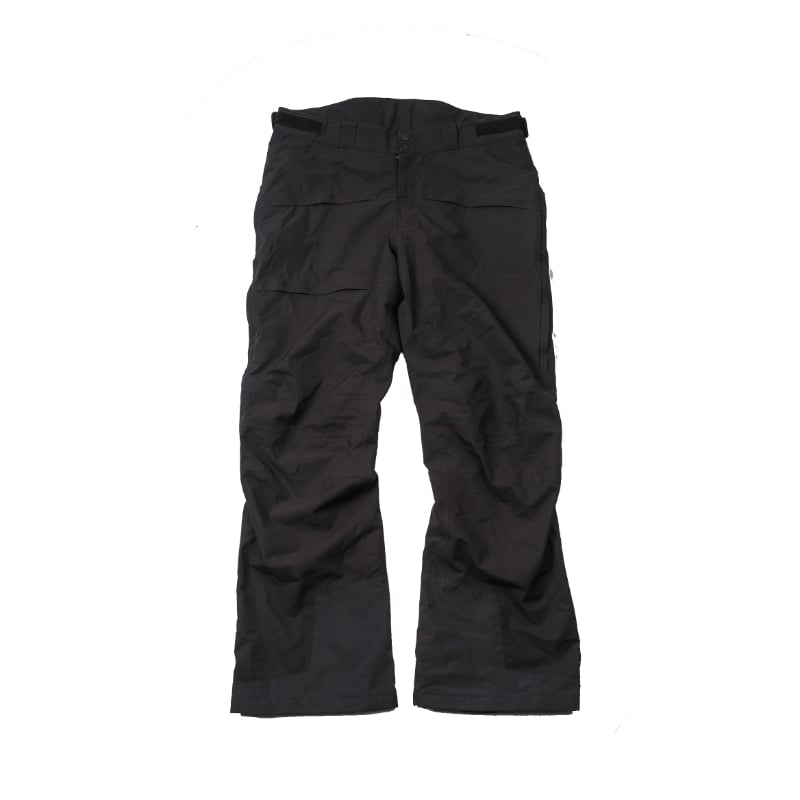
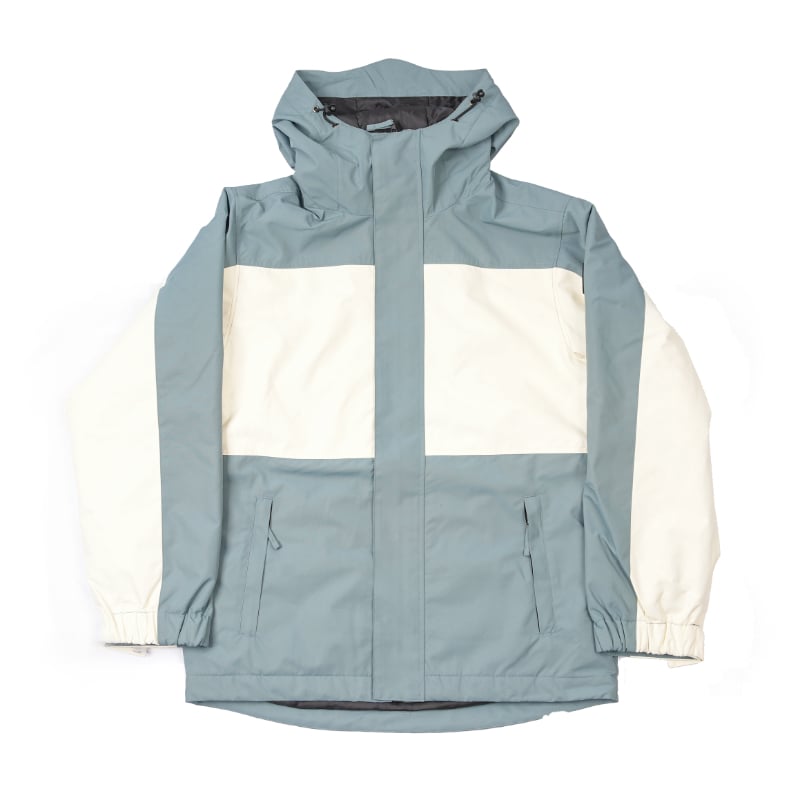
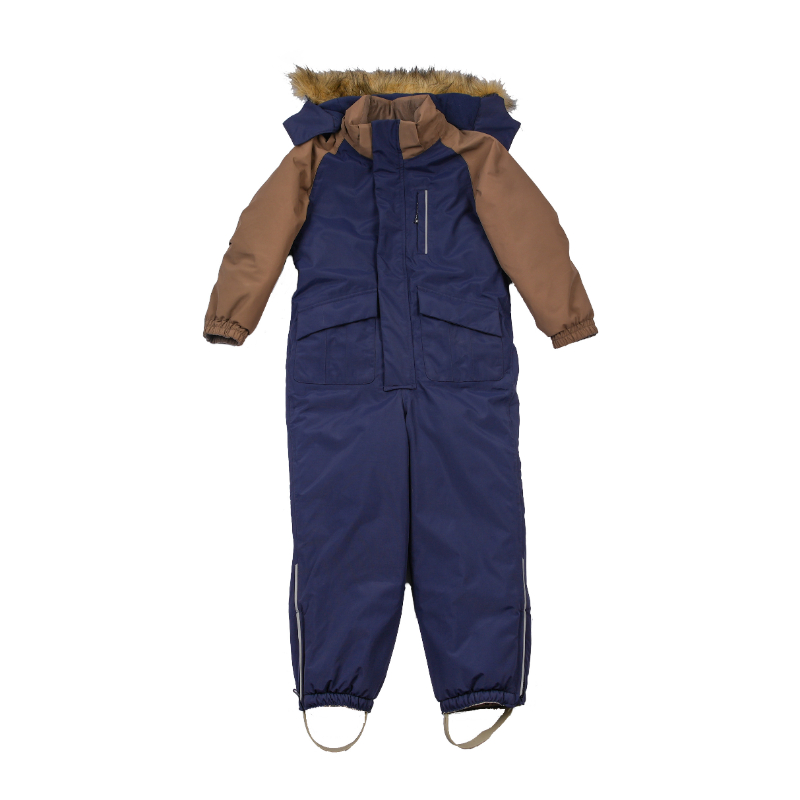
Our skiing wear is engineered to be the ultimate companion for every skier, with tailored advantages that tackle the unique challenges of cold, snowy mountain environments. The first and most critical advantage is **superior cold insulation**. Unlike regular winter clothes that only offer basic warmth, skiing wear uses advanced insulating materials—such as down or synthetic fill with high loft—to trap body heat effectively. These materials create a thermal barrier that locks in warmth even when temperatures drop below -10°C, preventing frostbite and chills during long hours on the slopes. Additionally, skiing wear features fleece-lined collars, cuffs, and hoods that seal out cold air, ensuring no gap lets icy winds sneak in. This level of insulation means skiers stay cozy from the first lift ride to the last run, without feeling weighed down.
Second, skiing wear delivers **reliable waterproof and moisture-wicking performance**. Snow and slush are unavoidable on the mountain, and ordinary clothes quickly soak through, leaving skiers damp and cold. Our skiing wear uses waterproof membranes (like GORE-TEX) and durable water-repellent (DWR) coatings that block snow, rain, and melted ice from seeping in. At the same time, the fabric is breathable, allowing sweat from intense turns or uphill climbs to escape as vapor—preventing the "clammy" feeling that comes with trapped moisture. This balance of waterproofing and breathability keeps skiers dry inside and out, a must for staying comfortable during full days of skiing.
Third, skiing wear prioritizes **agile flexibility for smooth movement**. Skiing requires dynamic motions—carving turns, bending knees, and reaching for poles—and restrictive clothing can ruin performance. Our skiing wear is made with stretchable fabrics (such as spandex blends) that move with the body, offering full range of motion without tightness. Key areas like knees and elbows are designed with articulated seams, which follow the natural curve of the body to avoid bunching or limiting movement. Whether you’re leaning into a sharp turn or lifting yourself after a fall, skiing wear adapts to your actions, letting you focus on technique instead of fighting your clothes.
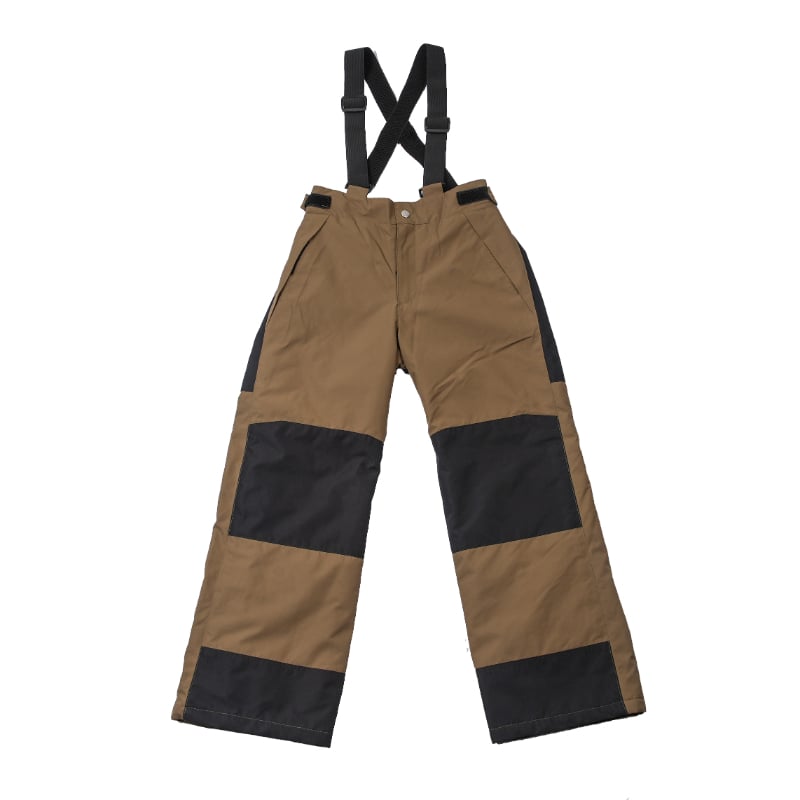
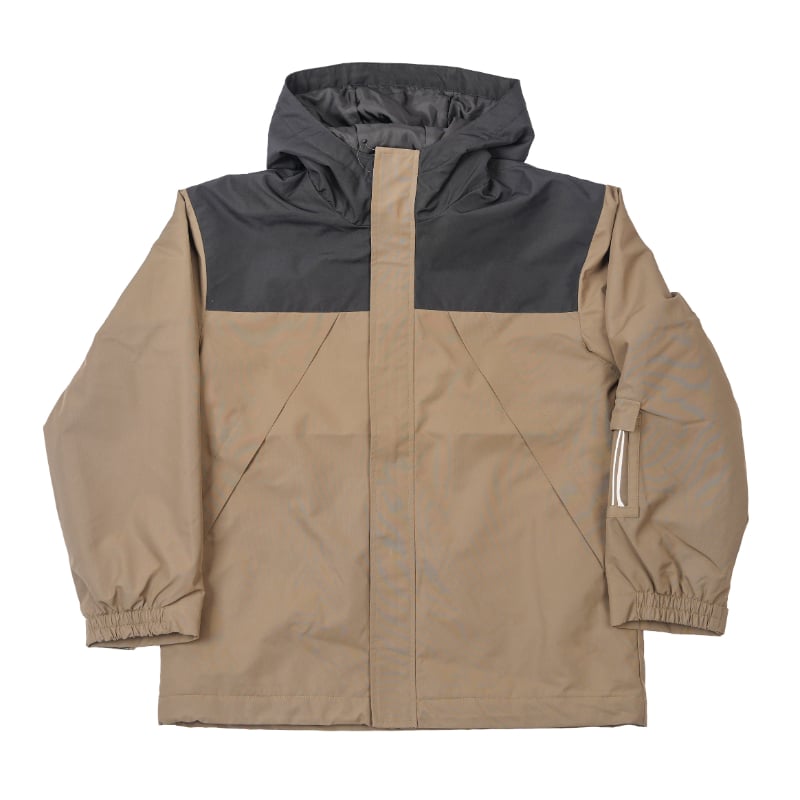
Lastly, skiing wear offers **broad adaptability for all skill levels**. It’s not just for experts—our skiing wear is designed to meet the needs of beginners and advanced skiers alike. For new skiers, it’s lightweight and easy to put on, with simple adjustments (like adjustable waistbands) for a secure fit. For experts tackling steep black diamonds, it adds extra reinforcement in high-wear areas (like seat and cuffs) to withstand rough terrain. This adaptability means every skier—no matter their level—gets gear that supports their experience, making skiing wear an essential investment for anyone hitting the mountain.
Applications
Skiing wear’s advantages shine in real-world skiing scenarios, where they turn challenging mountain conditions into enjoyable, safe experiences. A key application is **beginner bunny slope skiing**—the first step for new skiers, who often spend hours learning basic turns and stops in cold, snowy conditions. Here, skiing wear’s superior cold insulation is a lifesaver: beginners tend to move more slowly and take frequent breaks, increasing their exposure to the cold. Skiing wear’s insulating fill keeps them warm, preventing the shivers that can distract from learning. Its flexibility also matters—new skiers often struggle with balance, and skiing wear’s stretchable fabric lets them adjust their stance freely, making it easier to master simple moves like the "snowplow." For example, a beginner practicing turns on a bunny slope would quickly feel cold in a regular winter jacket, but skiing wear keeps them cozy, letting them focus on building confidence instead of fighting the chill.
Another vital application is **expert black diamond skiing**—a high-intensity activity where skiers tackle steep slopes, icy patches, and rough terrain. Skiing wear’s waterproof performance is critical here: black diamond runs often have slushy snow or blowing powder that soaks through ordinary clothes. Skiing wear’s waterproof membrane keeps experts dry, preventing the fatigue that comes with damp fabric. Its reinforced design also protects against scrapes from rocks or hard-packed snow, ensuring the gear holds up to tough use. For instance, an expert skier carving down a steep black diamond might brush against icy moguls—skiing wear’s durable cuffs and seat resist tears, keeping the skier protected and the gear intact for future trips.
A third key application is **all-day family skiing trips**, where skiers of different ages and skill levels spend hours on the mountain together. Skiing wear’s adaptability shines here: parents can choose styles that fit kids comfortably (with adjustable hems to grow with them), while teens and adults get gear that matches their skill level. The moisture-wicking feature also benefits families—kids often run around or take ski lessons, working up a sweat, and skiing wear’s breathability keeps them from feeling clammy. For example, a family skiing from morning to afternoon might face changing conditions (sunny then snowy), and skiing wear’s insulation adjusts to keep everyone warm without overheating, ensuring no one has to cut the day short due to discomfort.
Finally, skiing wear is essential for **backcountry skiing**, where skiers venture off-groomed trails into remote, unmarked terrain. Here, skiing wear’s full range of advantages comes into play: its insulation protects against extreme cold in isolated areas, waterproofing blocks deep snow, and flexibility lets skiers navigate uneven ground. The gear’s durability also matters—backcountry trails have trees and rocks that can damage clothes, and skiing wear’s reinforced seams hold up. In all these applications, skiing wear proves it’s not just winter clothes—it’s specialized gear that makes every moment on the mountain safer, more comfortable, and more enjoyable.
 February 26, 2026
 High Visibility Clothes
 EN
EN


 REQUEST AN ESTIMATE
 Home
Home