
 High Visibility Clothes
 EN
EN
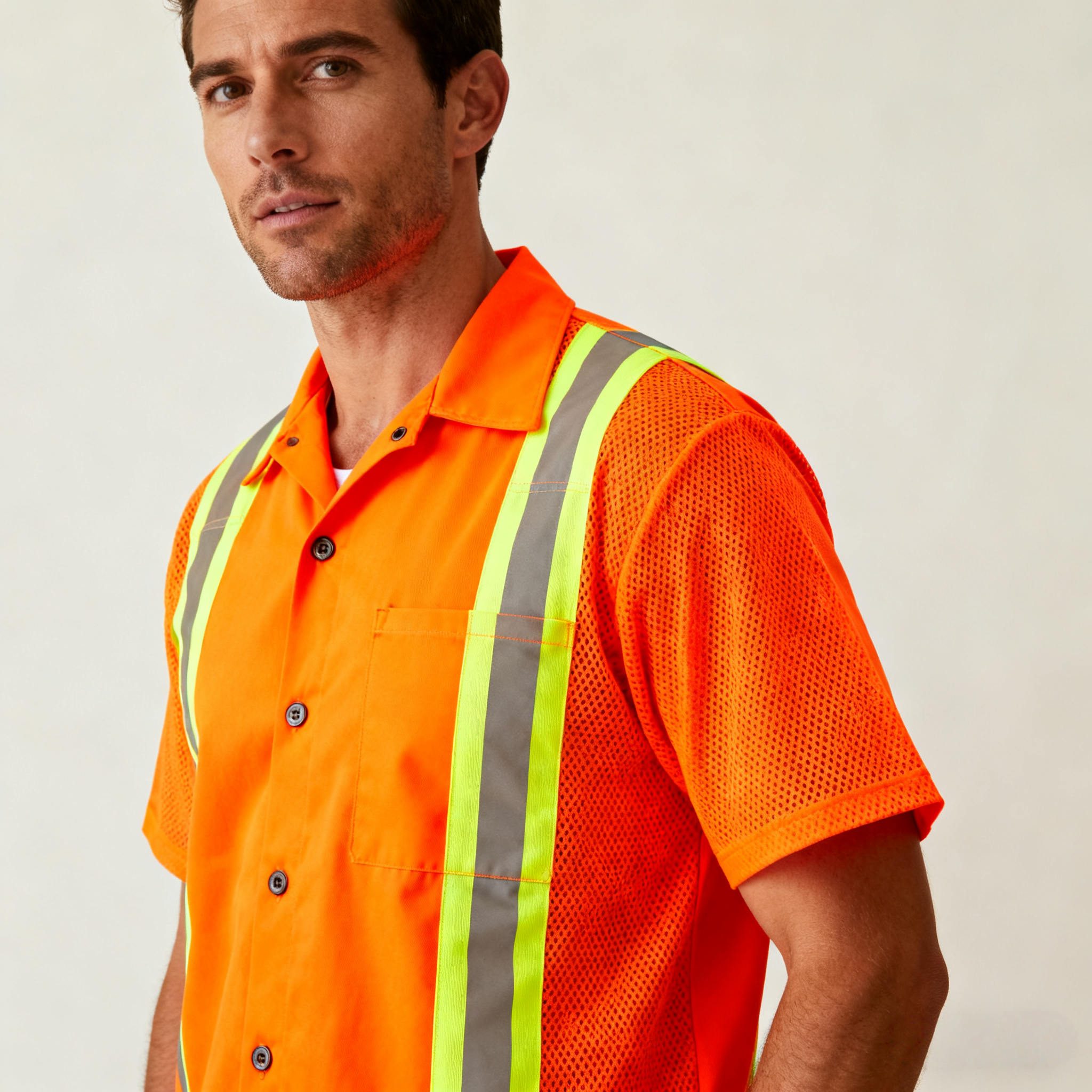
What Temperature Range Is Suitable for Wearing Hi-Vis FR Workwear?
Thermal Performance Boundaries of Hi-Vis FR Workwear
How NFPA 2112 and ANSI/ISEA 107 Standards Define Thermal Safety Limits
The NFPA 2112 standard works alongside ANSI/ISEA 107 to set the rules for thermal safety in high visibility fire resistant workwear. Let's start with NFPA 2112 first. This standard deals specifically with how well fabrics resist flames. It demands that fabric must stop burning on its own within just two seconds after catching fire. Also important is that the material shouldn't melt or drip when heated beyond 121 degrees Celsius (which equals about 250 Fahrenheit). These requirements help protect workers from serious injuries during flash fires. Then there's ANSI/ISEA 107 which focuses on keeping workers visible even when exposed to heat. This standard makes sure that reflective strips and background colors stay bright and stick properly to clothing after being washed multiple times and subjected to high temperatures. Both standards together mean that protective gear needs to offer good fire protection while still making workers easy to spot. Manufacturers have to find ways to balance these sometimes conflicting requirements without cutting corners on either aspect.
Core Body Temperature Response to Prolonged Wear Between 32°C–40°C
When working in heat ranging from around 32 to 40 degrees Celsius (that's roughly 90 to 104 Fahrenheit on the Fahrenheit scale), wearing high visibility flame resistant workwear for extended periods causes noticeable physical stress even when doing only light tasks. According to OSHA safety reports, body core temperatures tend to climb between 1.2 and 2.1 degrees Celsius just within the first hour alone. This happens mainly because these triple layer reflective materials block air circulation and the special treatments on fire resistant fabrics actually make sweating less effective at cooling down. Research labs have found something pretty alarming too: once someone's internal temperature goes above 38 degrees Celsius, their brain power starts dropping off significantly, with errors going up anywhere from 15% to 22% while reactions get slower. Regular scheduled breaks in cooler areas aren't just good practice anymore they’re practically essential if workers need to stay sharp and safe out there.
Heat Stress Risks When Wearing Hi-Vis FR Workwear
Activity Level, Humidity, and Layering: Key Drivers of Heat Strain
When workers face intense physical demands combined with high humidity and have to wear multiple layers of flame resistant gear, heat strain builds up fast. During hard work, the body produces around 400 to 600 kcal per hour worth of heat, which standard high visibility fire resistant outfits just can't handle. Once the air gets over 60% humidity, our main way of cooling down through sweating basically stops working properly. Putting on extra FR layers makes things worse too, cutting heat loss by about 30% compared to just wearing one layer. This means heart rates go up anywhere from 15 to 25 beats per minute even for not-so-heavy work. These three factors together often point to developing heat strain well before someone starts showing obvious signs of being overheated.
Breathability Limits in Ultra-Lightweight Hi-Vis FR Fabrics Above 60% RH
Hi-vis flame resistant fabrics that weigh around 5.5 ounces per square yard promise better mobility on the job site, but they still struggle with letting moisture escape when humidity levels rise. Once relative humidity gets past 60%, these materials start losing their ability to transmit vapor, sometimes dropping by as much as 40%. What happens next? Sweat builds up against workers' skin, creating uncomfortable hot spots where body temperature can feel anywhere from 7 to even 10 degrees warmer than what's actually in the air. The problem gets worse because flame resistant treatments tend to reduce airflow through the fabric itself, making it harder for heat to dissipate no matter how light the material feels. All those promised breathability benefits vanish in real world humidity conditions, which means manufacturers need to test these fabrics in actual working environments rather than relying solely on controlled lab tests that don't reflect everyday wear scenarios.
| Factor | Impact Threshold | Physiological Response |
|---|---|---|
| Relative Humidity | >60% RH | Evaporative cooling reduced by ¥50% |
| Layered FR Clothing | 2+ layers | Core temp rise +0.8°C/hour during light work |
| Activity Intensity | >4 METs | Sweat production exceeds 1L/hour |
Table: Critical thresholds for heat stress development in FR work environments
Cold Weather Suitability of Hi-Vis FR Workwear Below 10°C
Balancing Insulation, Visibility, and Thermal Regulation in Cold Work Cycles
When temperatures drop below 10 degrees Celsius, high visibility fire resistant work clothing needs to do several things at once. It has to keep workers warm against both conductive and convective heat losses, maintain good visibility day and night, and handle changing thermal demands as people move between different tasks throughout their shifts. Adding extra insulation definitely helps retain body heat, but there is a catch. According to tests done under ANSI/ISEA 107 standards, thicker layers can actually cut down on how reflective the safety tape remains by around 20% when compression or coverage happens. That's why breathable fabrics that wick away sweat are so important. These materials pull moisture off the skin when workers are active and stop condensation from forming inside the garment, which would otherwise make someone lose heat faster when they take breaks. Today's advanced multi layer garments come with removable thermal inserts that still satisfy ANSI Type R visibility specs even in snowy conditions, thick fog, or when the sun is low on the horizon. And these systems don't compromise on either movement freedom or protection against flames. For those working in really harsh cold below minus ten degrees Celsius, special phase change materials built right into the outer shell help regulate temperature around the body. This technology cuts down frostbite risks by about one third compared to regular insulated FR gear.
Practical Temperature Suitability Guide for Hi-Vis FR Workwear Configurations
Single-Layer vs. Multi-Layer Hi-Vis FR Systems Across 5°C–45°C Ambient Conditions
Thermal suitability depends less on ambient temperature alone and more on how garment architecture interacts with activity, humidity, and work cycle variability.
- Below 15°C: Multi-layer systems—combining FR base layers, insulating mid-layers, and hi-vis outer shells—trap heat up to 3× more effectively than single-layer equivalents and allow real-time thermal adjustment through layer removal.
- 15°C–25°C: Single-layer garments suffice for light, intermittent activity—but lose effectiveness above 60% RH due to diminished evaporative cooling. In this range, hybrid designs with strategic mesh ventilation offer superior adaptability.
- 25°C–35°C: Single-layer, breathable FR systems reduce heat strain by 40% compared to unvented multi-layer alternatives, especially when paired with moisture-wicking finishes and engineered airflow zones.
- Above 35°C: Ultra-lightweight fabrics with laser-cut mesh panels and optimized seam placement maintain ANSI/ISEA 107 visibility while supporting continuous airflow—critical for keeping core temperature below the 38°C cognitive threshold.
Ultimately, the optimal configuration balances verified thermal performance data with real-world work patterns—not just temperature readings. Selecting hi-vis FR workwear requires evaluating how heat is generated, dissipated, and retained—not only how hot it is outside.
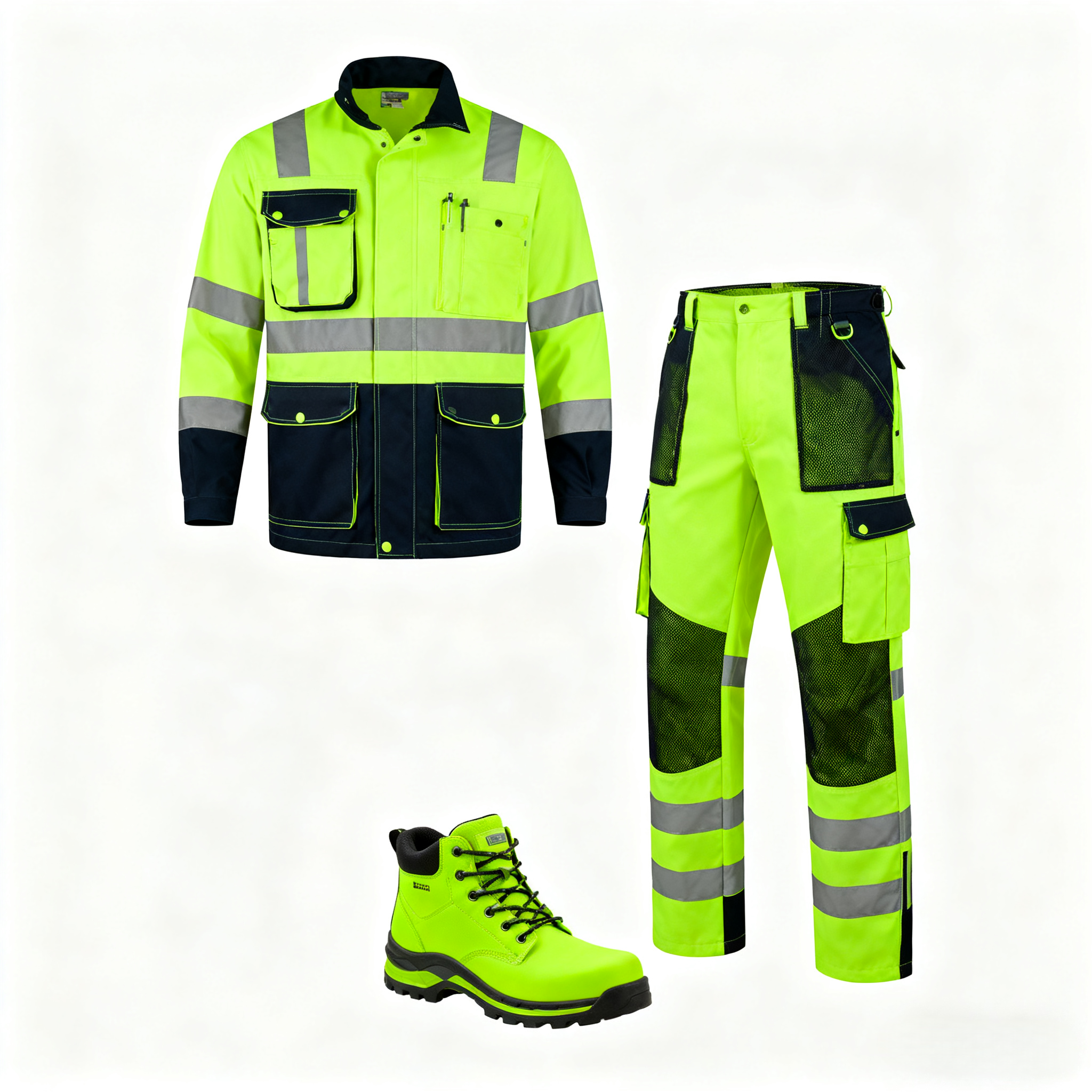
![Hi-Vis FR Workwear Temperature Range Guide [2024]](https://shopcdnalpha.grainajz.com/category/18993/4129/d3ddc34beea51e36092b055e68e60567/%E4%BC%81%E4%B8%9A%E5%BE%AE%E4%BF%A1%E6%88%AA%E5%9B%BE_17863402894309.png)
 REQUEST AN ESTIMATE
 Home
Home