
Vest
Advantages
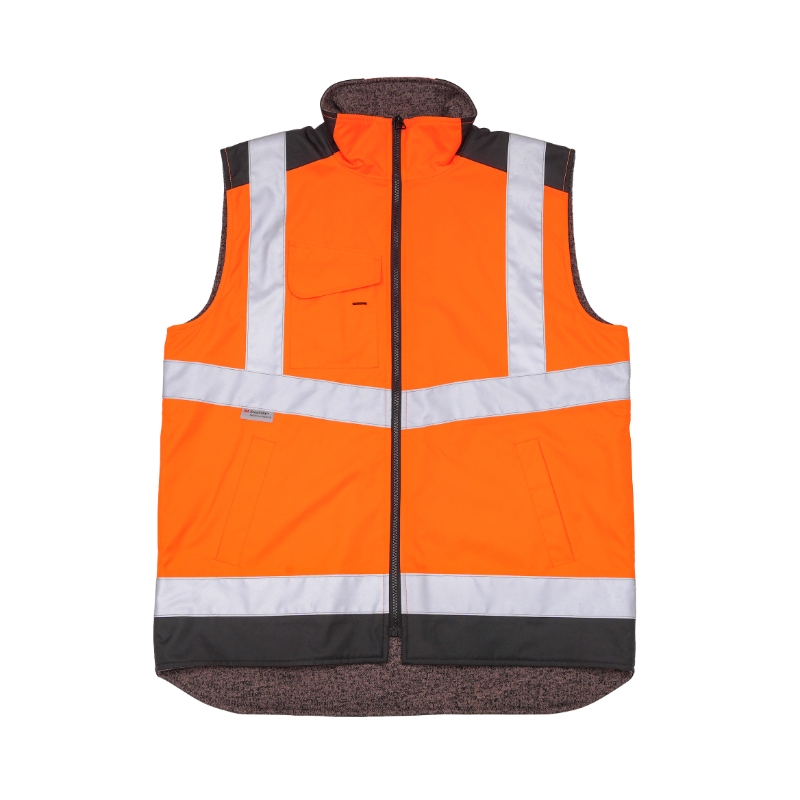
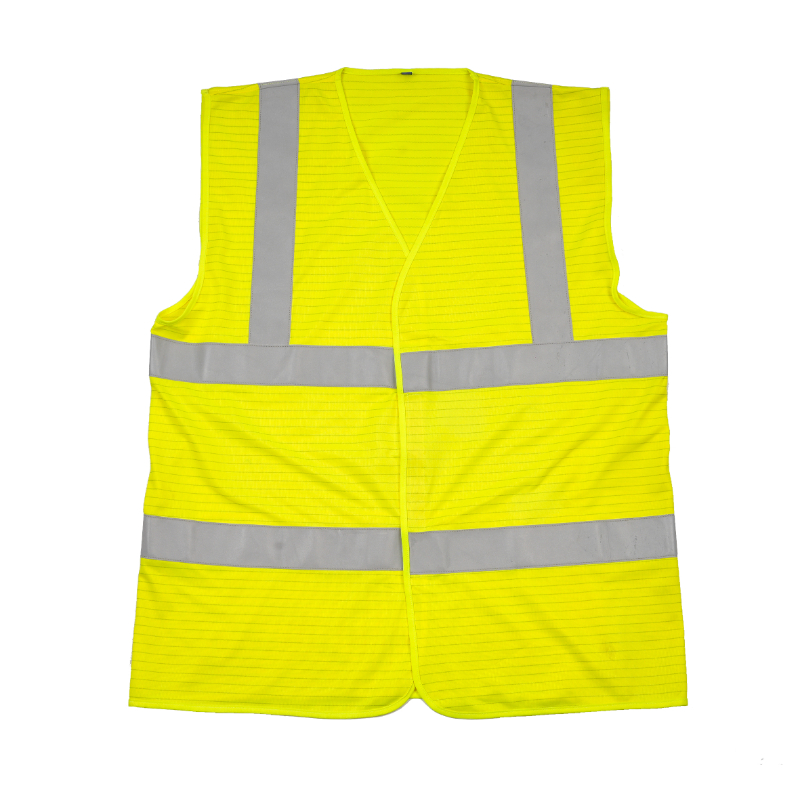
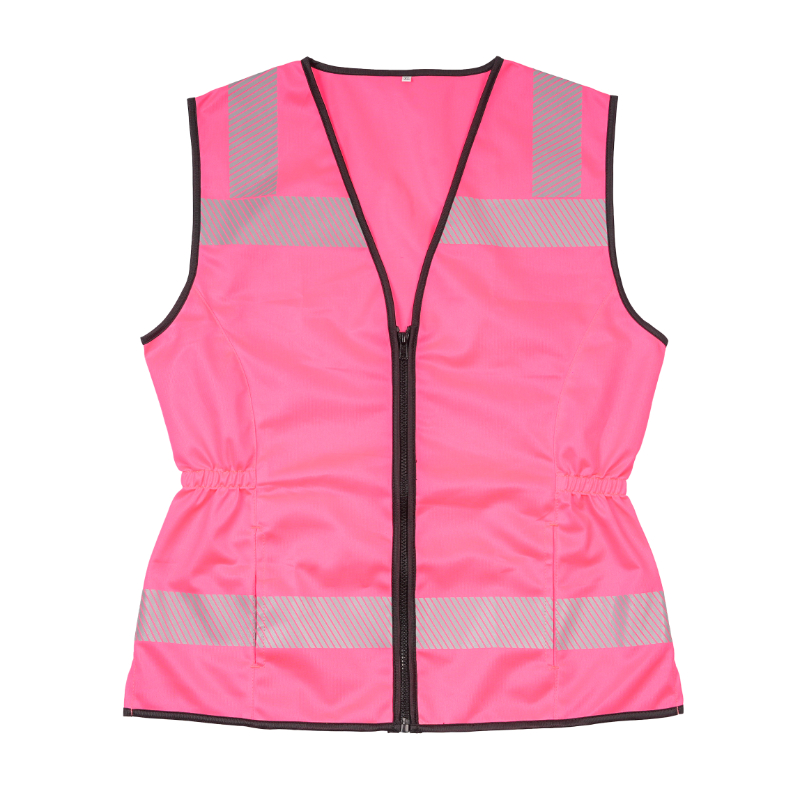
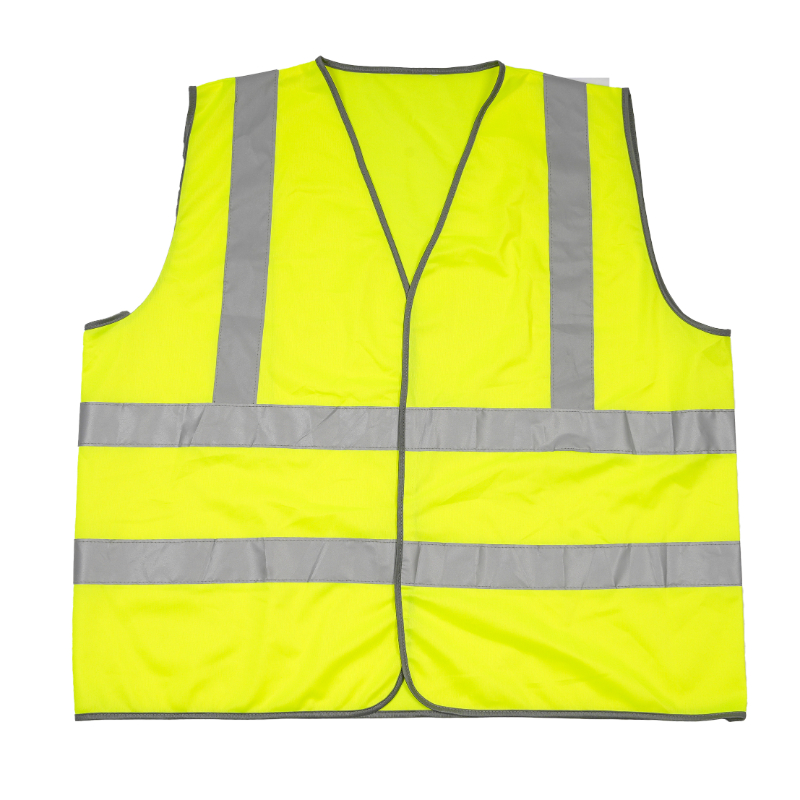
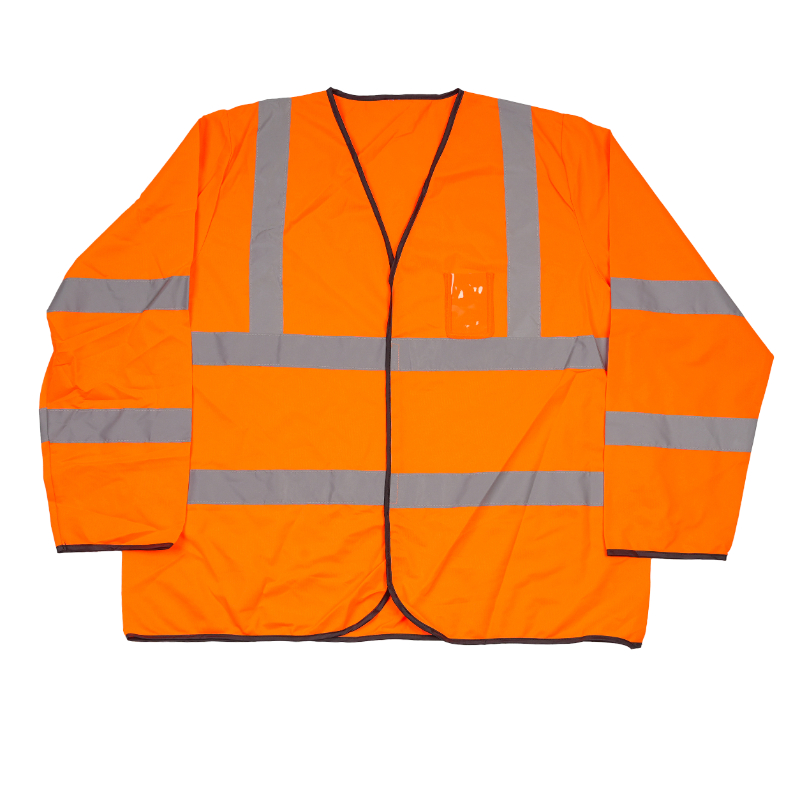
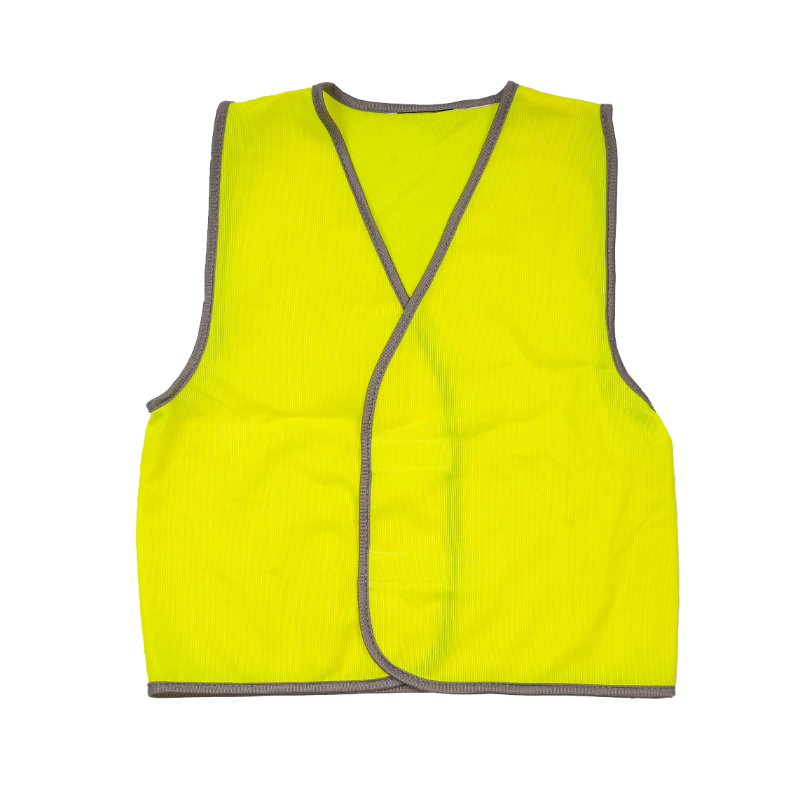
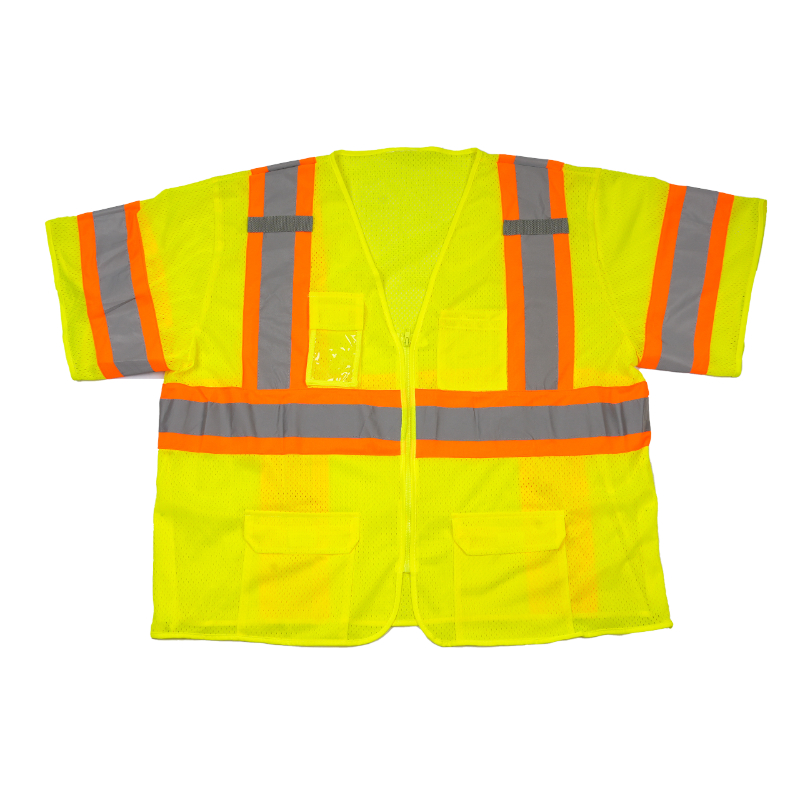
Our high visibility vest stands out as a must-have piece of gear for workers facing low-light conditions, and its advantages are designed to address the key needs of on-site teams. First and foremost is its **exceptional visibility enhancement**—unlike ordinary workwear, this high visibility vest uses high-contrast fluorescent fabrics and reflective strips that can catch and reflect light even in extremely dim environments, such as pre-dawn darkness or foggy afternoons. This means workers wearing the high visibility vest are no longer "hard to spot" by passing vehicles, machinery operators, or fellow teammates, significantly reducing the risk of accidental collisions or oversight.
Second, the high visibility vest prioritizes **strict compliance with industry safety standards**. Whether it’s construction sites, road maintenance projects, or warehouse operations, most regions and industries have mandatory safety regulations for workwear in low-light settings. Our high visibility vest is rigorously tested to meet or exceed these standards, ensuring that teams using it avoid potential fines, project delays, or safety violations. This compliance advantage gives managers and workers peace of mind, knowing they’re equipped with gear that aligns with professional safety requirements.
Third, the high visibility vest doesn’t compromise on **all-day comfort**—a critical factor for workers who wear safety gear for 8+ hours daily. The vest is made of lightweight, breathable mesh fabric that allows air circulation, preventing overheating even during physical labor. It also features an adjustable waistband and shoulder straps, so it can fit workers of different body types without feeling tight or restrictive. Unlike bulky, uncomfortable safety vests that can distract workers from their tasks, our high visibility vest moves with the body, keeping workers focused on their jobs while staying protected.
Lastly, the high visibility vest offers **long-lasting durability**—a practical advantage for tough work environments. The fluorescent materials resist fading from sun exposure or repeated washes, and the reflective strips are attached with strong, wear-resistant adhesive to avoid peeling off. This means the high visibility vest maintains its visibility and structural integrity over months of regular use, reducing the need for frequent replacements and lowering long-term safety gear costs for teams. Together, these advantages make the high visibility vest more than just a safety item—it’s a reliable, user-friendly tool that supports productivity and protection.
Applications
The high visibility vest’s advantages shine in real-world low-light work scenarios, where its performance directly translates to safer, more efficient operations. One key application is **dawn construction work**—a common setting where light levels are too low for ordinary workwear to be visible, but tasks like foundation laying, structural checks, or material handling must start early to meet project deadlines. Here, the high visibility vest’s exceptional visibility enhancement is a lifesaver: construction workers wearing the high visibility vest are easily seen by crane operators, truck drivers delivering materials, and crew members operating power tools. For example, a worker carrying steel beams near a construction vehicle in pre-dawn light would be nearly invisible in a regular jacket, but the high visibility vest’s fluorescent fabric and reflective strips make them "impossible to miss," preventing the driver from accidentally backing into them. Additionally, the vest’s comfort advantage matters here—construction workers often lift heavy objects or bend repeatedly, and the high visibility vest’s lightweight, adjustable design ensures they can move freely without discomfort, avoiding fatigue that could lead to mistakes.
Another vital application is **foggy road maintenance**—a high-risk scenario where fog distorts visibility and makes road workers vulnerable to passing cars or trucks. In this setting, the high visibility vest’s compliance advantage becomes critical: road maintenance teams are required by law to wear safety gear that meets traffic safety standards, and our high visibility vest’s compliance ensures they adhere to these rules, avoiding legal issues. More importantly, the vest’s visibility enhancement cuts through fog—even when visibility is limited to 50 meters, the high visibility vest’s reflective strips reflect the headlights of approaching vehicles, giving drivers extra time to slow down and avoid hitting workers. For instance, a crew patching potholes on a foggy highway would be at severe risk without proper gear, but the high visibility vest turns their presence into a clear signal, keeping both workers and drivers safe.
A third key application is **dim warehouse operations**—many warehouses have large storage areas with limited overhead lighting, especially in sections where tall shelves block light. Here, the high visibility vest’s durability and visibility advantages work together: warehouse workers moving pallets with forklifts or picking orders in dark aisles rely on the vest to be seen by forklift operators. The high visibility vest’s fade-resistant fabric ensures it stays bright even in the dim, indoor light, and its durable construction holds up to scrapes against shelves or repeated use. For example, a worker retrieving boxes from a dark back aisle would be hard to spot by a forklift driver, but the high visibility vest makes them visible from across the warehouse, preventing accidental impacts.
Finally, the high visibility vest is essential for **evening utility repair work**, such as fixing power lines or water pipes after sunset. The vest’s comfort advantage keeps utility workers focused—they often climb ladders or kneel to access equipment, and the vest’s breathable fabric prevents overheating. Meanwhile, its visibility ensures they’re seen by passersby and emergency vehicles, even in areas with no streetlights. In all these applications, the high visibility vest proves it’s not just an accessory—it’s a necessary tool that turns high-risk low-light work into a safer, more manageable task.
 February 26, 2026
 High Visibility Clothes
 EN
EN


 REQUEST AN ESTIMATE
 Home
Home