
 High Visibility Clothes
 EN
EN
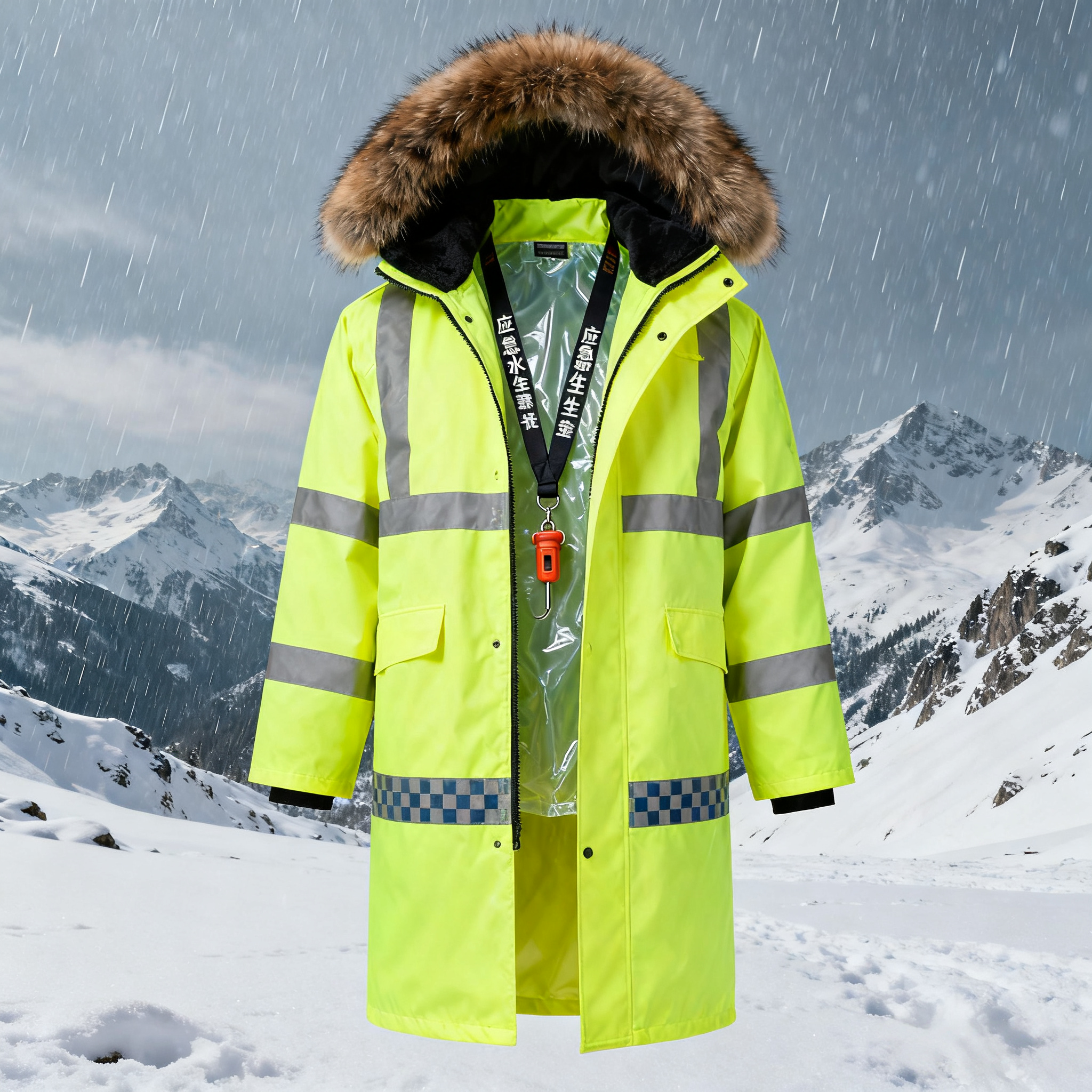
Why Immediate Post-Use Wiping Preserves ANSI/ISEA 107 Compliance
How Surface Contaminants Scatter Light and Reduce Retroreflectivity
Over time, dirt, oil stains, and water spots build up on those bright rain jackets we wear for safety. These tiny surface flaws mess with how light bounces off the material. Instead of reflecting back toward where it came from (which is what makes reflective gear work so well), the light gets scattered all over the place. That means the gear doesn't shine as brightly as it should, which matters because there's this specific measurement called candela per lux per square meter that determines if equipment meets ANSI standards. If the reflected light drops below what's needed, particularly when things get wet, then the gear might not pass inspection for higher safety classes like Class 2 or 3. A quick wipe down with something soft can clear away most of these grime deposits before they stick to those special reflective dots or start breaking down the colorful fabric underneath. Keeping those surfaces clean maintains both the visual impact and legal requirements for workplace safety apparel.
Field Evidence: Reflectivity Drop After Just 3 Unwiped Uses
Field tests have found that retroreflective tape loses around 35% of its ability to reflect light after just three times getting dirty with stuff workers encounter daily on job sites such as mud, hydraulic fluids, and road salt residue. When this happens, the tape often falls short of meeting ANSI/ISEA 107 standards for visibility, especially during nighttime hours or when visibility is poor because of foggy mornings or rainy days. Drivers simply don't see these workers from anywhere near the safe distance they should be seen at. Regular cleaning routines after each day's work helps maintain the tape's effectiveness over time. While it might seem like an extra step, keeping equipment clean actually saves money in the long run by avoiding accidents and ensuring ongoing regulatory compliance requirements are met without issues down the line.
Choosing the Right Soft Cloth for High Visibility Rain Gear Maintenance
Microfiber vs. Cotton vs. Non-Woven: Impact on Reflective Tape and Fluorescent Fabric
What cleaning material gets used makes all the difference when it comes to keeping ANSI/ISEA 107 compliant safety gear in good shape over time. Microfiber stands out because those super fine fibers grab dirt and debris without damaging the reflective beads or messing with the bright colors on the gear. Cotton might feel gentle at first glance, but it leaves behind lots of lint that blocks visibility on reflective strips and actually holds onto grime instead of removing it. And let's not forget about cotton transferring color to other parts of the equipment either. Then there are these non-woven materials that just don't seem to deliver consistently. Their fibers vary too much in thickness and strength, which means they can cause tiny scratches nobody wants to see and lead to equipment wearing out faster than expected.
| Material | Retroreflective Tape Impact | Fluorescent Fabric Impact | Contaminant Removal |
|---|---|---|---|
| Microfiber | Minimal abrasion | Preserves dye saturation | Superior |
| Cotton | Lint accumulation | Potential dye transfer | Moderate |
| Non-Woven | Surface scratching risk | Color fading concerns | Variable |
The Damp-Cloth Protocol: Balancing Contaminant Removal and DWR Integrity
Using a microfiber cloth that's just a bit damp works best for cleaning while still keeping the DWR coating intact. When cloths get too wet, they can actually soak through to the waterproof layer underneath, which speeds up breakdown of the material over time and makes it less resistant to bad weather conditions. The right way is to wipe gently in one direction, making sure not to damage any of those important parts inside the fabric - the bright base layer, the reflective bits, and that special water repelling treatment. People who do this regularly find themselves washing their gear about half as often as before, which means their equipment lasts much longer without losing its safety rating according to ANSI/ISEA standards.
How Gentle Wiping Sustains All Three Performance Layers of High Visibility Rain Gear
Using a soft cloth for cleaning after wearing ANSI certified high visibility rain gear really makes a difference in how long the gear stays effective. The main reason? Keeping those important layers intact. When dirt builds up on the bright outer fabric, it actually soaks up and scatters both UV and regular light, making the gear look dull even during the day sometimes cutting visibility down by around 40%. Also worth noting is the protection of those tiny reflective beads embedded in the material. These little glass or ceramic spheres need to stay in place and clear to work properly when redirecting light back to observers. Scrubbing hard can damage them, while just wiping gently with a damp cloth removes stuff like road salt, engine oil residue, and everyday dust without messing with their optical properties. And let's not forget about the water repellent coating either. This special fluoropolymer treatment helps water form beads and slide right off instead of soaking in. Too much washing washes away these protective chemicals, but spot cleaning works wonders without stressing the material chemically or physically.
Protecting Fluorescent Dye, Retroreflective Beads, and Durable Water Repellency Simultaneously
This integrated method safeguards visibility across all operational conditions:
- Fluorescent Dyes: Surface cleaning prevents light-scattering particulates from dulling orange/yellow fabrics, retaining near-original luminosity
- Retroreflective Elements: Non-abrasive motion ensures bead adhesion and optical clarity for reliable nighttime reflectivity
- DWR Layer: Controlled moisture exposure avoids hydrolytic breakdown of water-shedding treatments
By preserving all three layers concurrently, soft-cloth wiping ensures ANSI/ISEA 107 photometric performance remains within compliance thresholds—even after hundreds of uses.
Avoiding Over-Cleaning: Why Less Washing Extends the Lifespan of High Visibility Rain Gear
Regular trips through the washing machine really take a toll on those three key layers specified by ANSI/ISEA 107 standards. The constant churning from detergents wears away at the Durable Water Repellent (DWR) coating that helps water bead off the fabric. Over time, the heat and mechanical stress from multiple wash cycles cause those bright fluorescent colors to lose their intensity. And let's not forget about the drum itself - its abrasive action tends to knock loose those tiny reflective beads that make gear visible in low light conditions. Since ANSI/ISEA 107 requirements rely on all these components working together properly, damage to even one layer means reduced visibility when it matters most and potential issues meeting safety regulations.
Gentle post-use wiping removes surface-level contaminants without subjecting materials to detergent, heat, or tumbling stress—preserving:
- Fluorescent fabric integrity by preventing dye migration and UV filter blockage
- Retroreflective bead adhesion and optical clarity
- DWR functionality by avoiding fluoropolymer stripping
Over-cleaning accelerates wear by 47% compared to disciplined wiping protocols. Reserve full machine washes for cases of heavy soiling or biological contamination—and always follow manufacturer guidelines to maintain ANSI/ISEA 107 compliance throughout the gear’s service life.
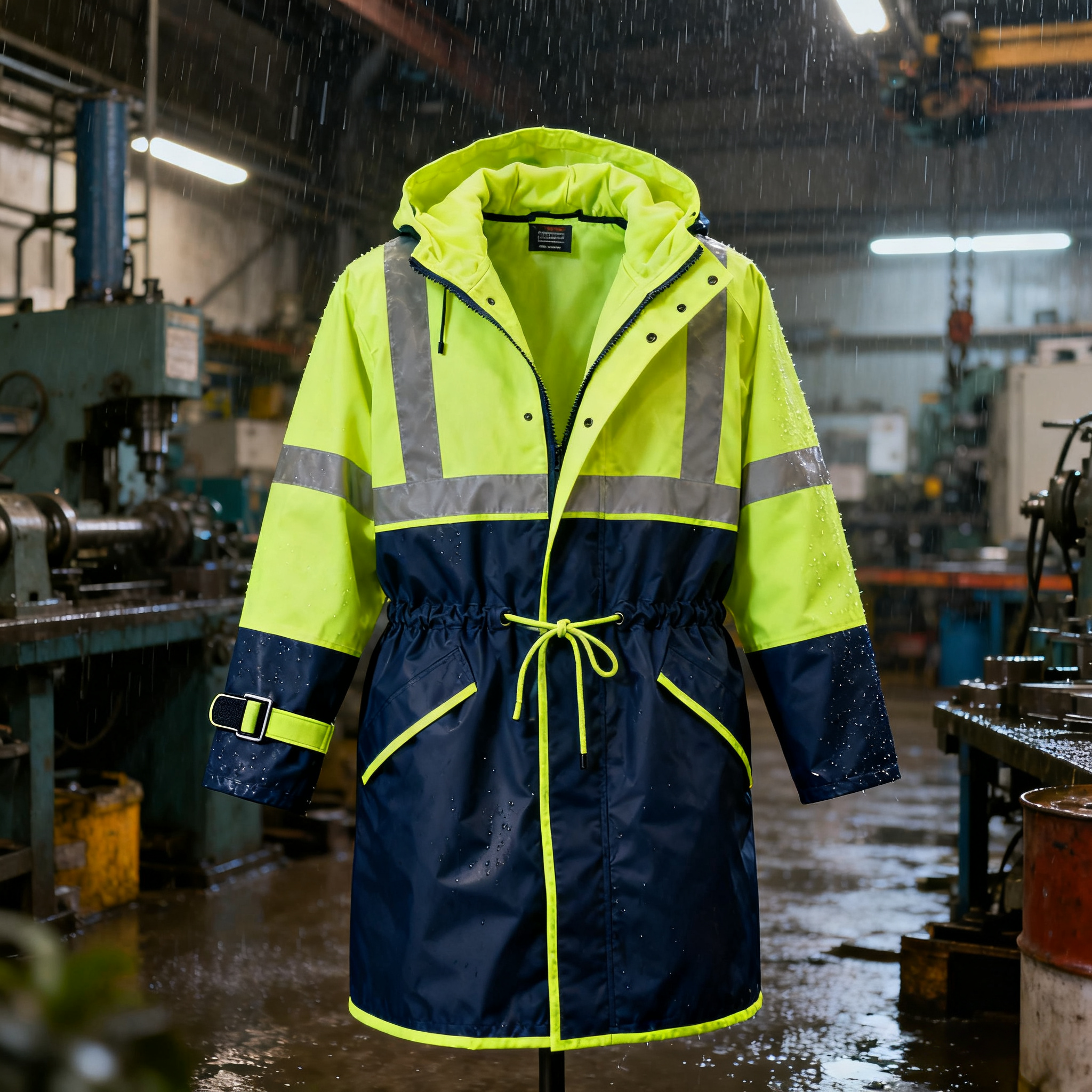
Table of Contents
- Why Immediate Post-Use Wiping Preserves ANSI/ISEA 107 Compliance
- Choosing the Right Soft Cloth for High Visibility Rain Gear Maintenance
- How Gentle Wiping Sustains All Three Performance Layers of High Visibility Rain Gear
- Avoiding Over-Cleaning: Why Less Washing Extends the Lifespan of High Visibility Rain Gear
 REQUEST AN ESTIMATE
 Home
Home