
 High Visibility Clothes
 EN
EN
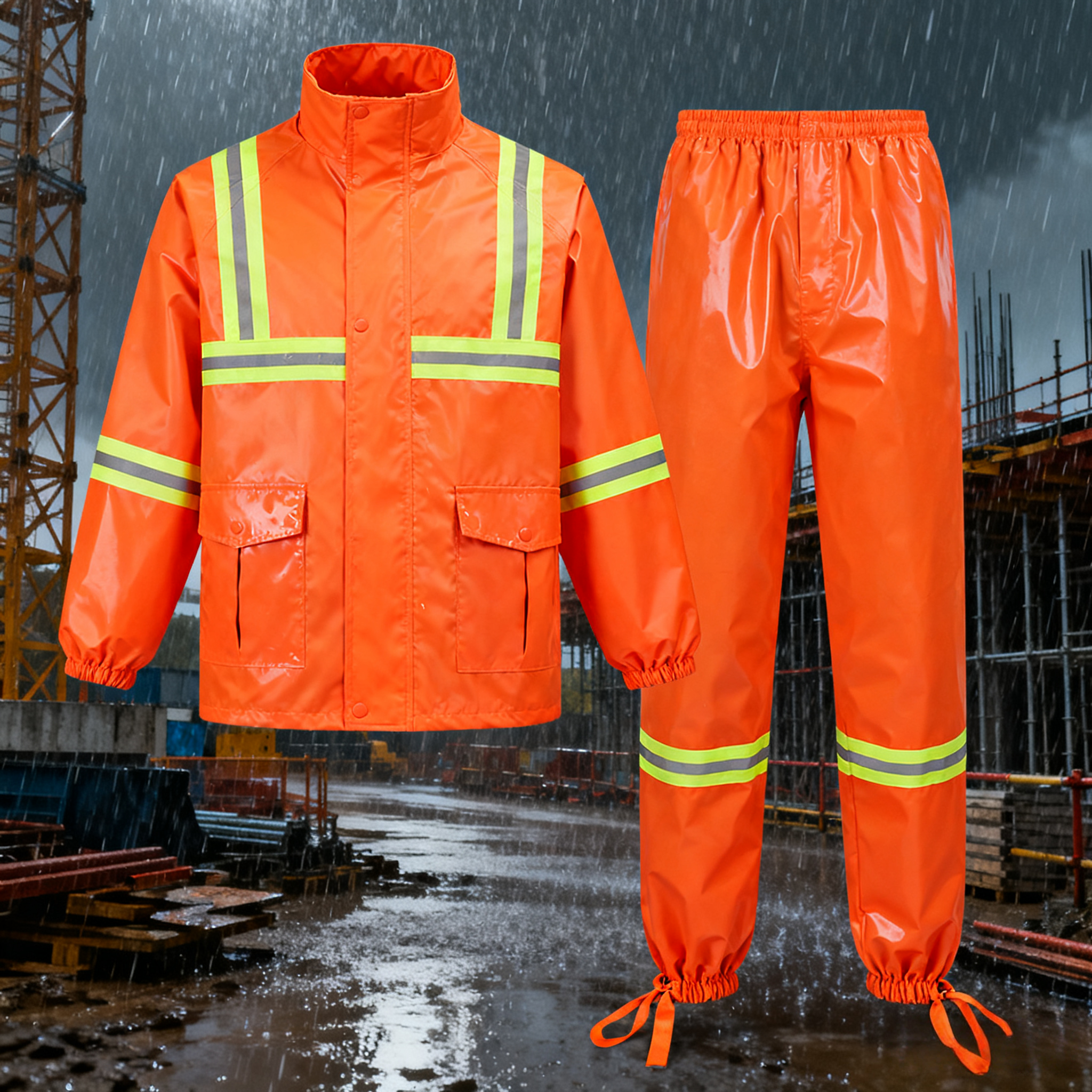
Why High Visibility Rain Gear Is Critical for Workplace Safety
Thousands of workplace accidents happen every year because people can't see clearly during bad weather or when it gets dark outside. Those working close to moving vehicles or heavy machinery are especially vulnerable when rain makes regular safety vests useless. Special high visibility rain gear solves this problem by incorporating bright fluorescent fabrics along with reflective strips that actually reflect headlights back towards their source. This creates full circle visibility even in heavy rainstorms where normal clothes disappear from view at highway speeds. The combination of staying dry and meeting ANSI/ISEA standards for visibility means workers remain both comfortable and clearly seen by anyone operating nearby equipment.
The federal OSHA rules say workers need high visibility clothing whenever traffic speeds go above 25 miles per hour in work areas. If folks don't wear proper rain resistant hi vis gear, they face real dangers when wet. Hypothermia becomes a threat and their ability to stay alert plummets, which can lead to all sorts of accidents on site. The National Safety Council found something pretty shocking back in 2023 though. Work sites using compliant safety gear saw about 30% fewer incidents where vehicles hit workers during rainy conditions. Let's talk numbers for a second. Standard work clothes basically disappear from view once visibility falls under 500 feet in heavy downpours. But those ANSI rated vests? They stay visible well past 1,000 feet away. Makes all the difference when crews are dealing with emergencies, fixing roads after storms, or working on power lines during bad weather.
For reflective striping to still be considered effective, it needs to keep around half of what it originally reflected before needing replacement. When the reflective tape gets worn down, people can spot things from much farther away at night. Good quality rain gear that stands out isn't only about following rules either. It actually makes a real difference in safety situations where every second counts. Putting together proper waterproof layers with officially tested visibility stripes offers something regular raincoats simply don't have. Workers get those extra precious moments they need to react properly in dangerous conditions.
Key Features That Define Effective High Visibility Rain Gear
ANSI/ISEA Compliance and Reflective Tape Standards
Meeting ANSI/ISEA 107-2020 standards is non-negotiable for effective high visibility rain gear. This certification dictates the minimum fluorescent background material and retroreflective tape required to maximize worker detection in low-light conditions. Consider these critical class distinctions:
| ANSI Class | Background Material | Retroreflective Tape | Use Case |
|---|---|---|---|
| Class 2 | 775 sq in | 201 sq in | Moderate-risk roadwork |
| Class 3 | 1,240 sq in | 310 sq in | High-speed/high-risk zones |
Class 3 gear—increases detection distance by 60% versus non-compliant wear. Reflective tape must maintain 360° visibility after 100 wash cycles, ensuring materials withstand abrasion and chemical exposure common in construction or utility work.
Waterproof vs. Water-Resistant Fabrics and Seam Sealing
Understanding fabric technology prevents hypothermia risks: water-resistant coatings (e.g., DWR) repel light rain briefly, while waterproof membranes (e.g., 10k+ mm rated) with fully taped seams block sustained downpours. Key differentiators:
- Waterproof garments pass rigorous ISO 811 hydrostatic pressure tests, preventing moisture ingress during extended shifts.
- Water-resistant options lack sealed seams, risking leaks at stress points like shoulders—unsealed seams cause 83% of workplace soak-through incidents. For flood response teams, waterproofing is non-negotiable; failed gear contributed to 37% of cold-stress injuries during storm operations (Ponemon 2023).
Top Applications: Where High Visibility Rain Gear Saves Lives
Roadwork, Construction, and Utility Maintenance
Road workers, construction crews, and utility repair personnel deal with traffic and big machines all day long. When it rains or fogs in, high visibility rain gear is what keeps them from getting hit by vehicles. According to BLS data from last year, around one out of five construction deaths happens when someone gets struck by something. That's why having proper safety gear isn't just recommended but absolutely essential for anyone working close to moving equipment or along active roadways. The bright colors and reflective tape on these jackets stand out clearly even when the sky is gloomy and roads are slick with rainwater.
Emergency Response and Municipal Services
When seconds count, first responders and city workers face dangerous situations every day. Firefighters, paramedics, and street repair teams rely heavily on their bright rain gear for safety during night time operations, after storms hit, and at crash sites. The reflective strips on this gear meet ANSI standards and can catch a driver's eye well over 1000 feet back in poor lighting conditions, which makes all the difference when moving quickly through risky areas. Good visibility becomes absolutely essential while dealing with flooded roads or managing traffic without street lights during blackouts.
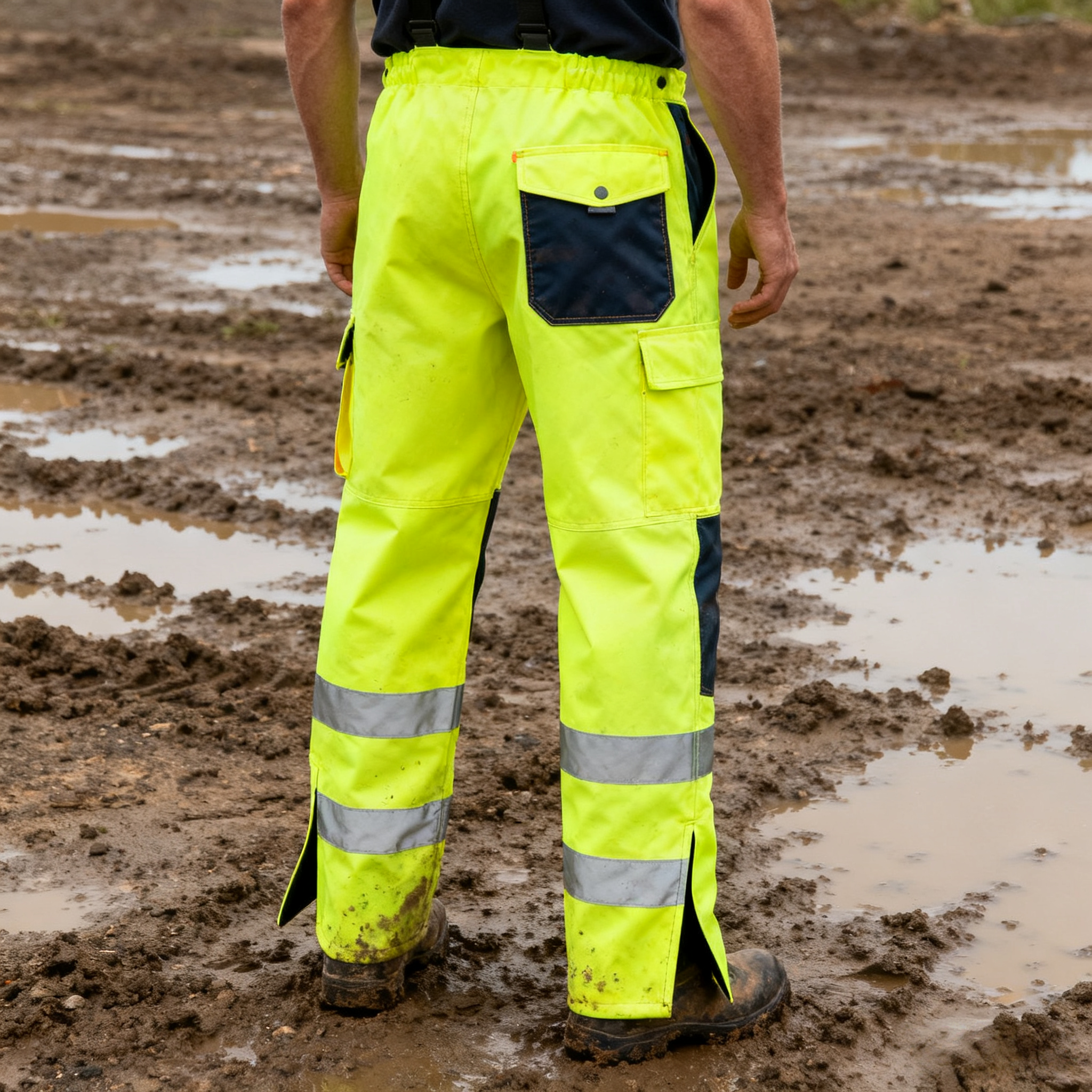
FAQs
Why is high visibility rain gear necessary?
High visibility rain gear is essential because it helps workers be seen in low-light and poor weather conditions, reducing the risk of accidents, especially near moving machinery or vehicles.
What is the difference between waterproof and water-resistant rain gear?
Waterproof gear has sealed seams and membranes that block water ingress, suitable for heavy rain. Water-resistant gear repels light moisture but isn't apt for prolonged exposure because it lacks sealed seams.
How often should high visibility rain gear be replaced?
High visibility rain gear should be replaced every 12–18 months, or sooner if its visibility or waterproof integrity is compromised.
What ANSI class is suitable for road workers?
Road workers should use Class 3 high visibility gear for 360-degree visibility in high-risk areas.
 REQUEST AN ESTIMATE
 Home
Home