
 High Visibility Clothes
 EN
EN
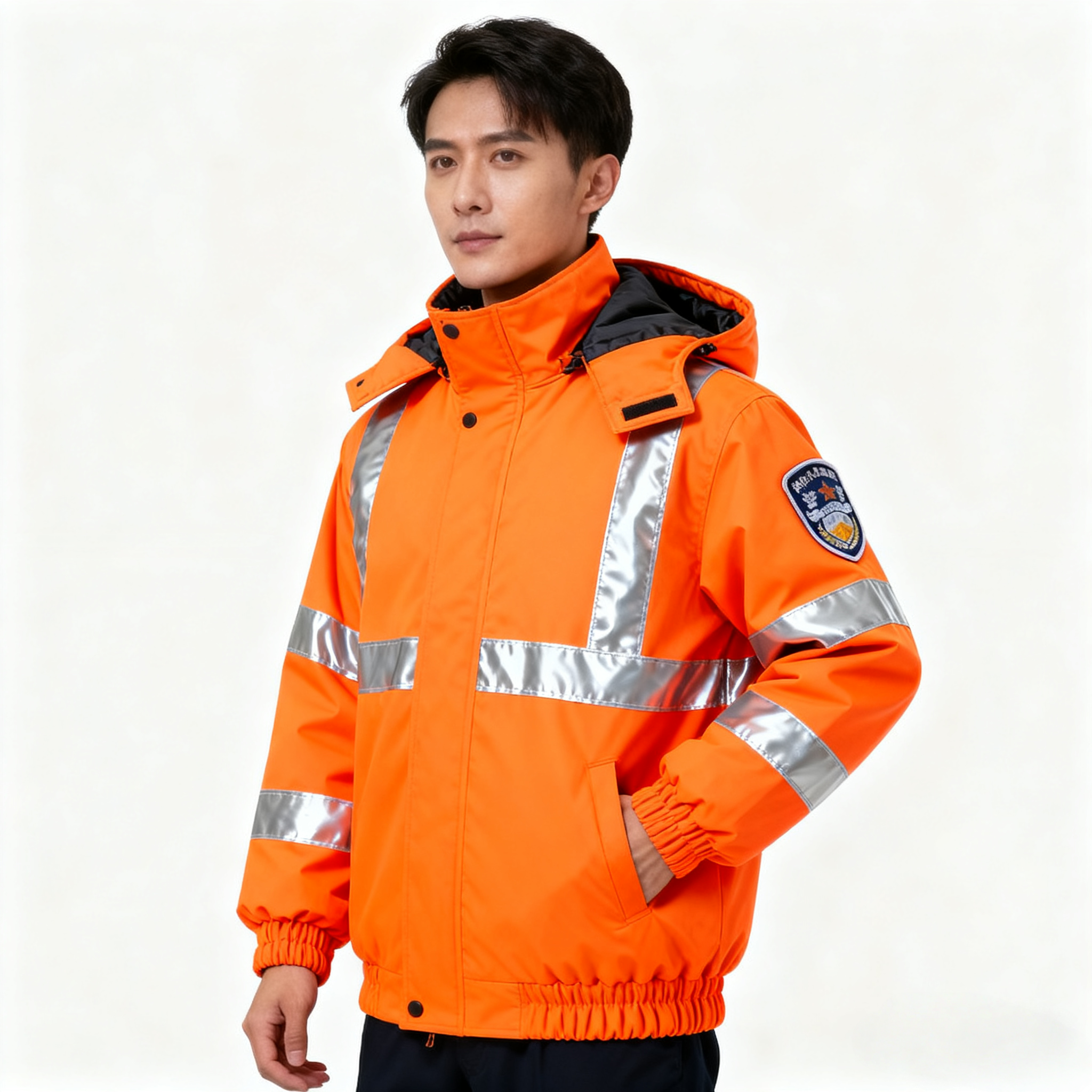
Ensure Reflective Safety Workwear Is Not Covered by Other Clothing.
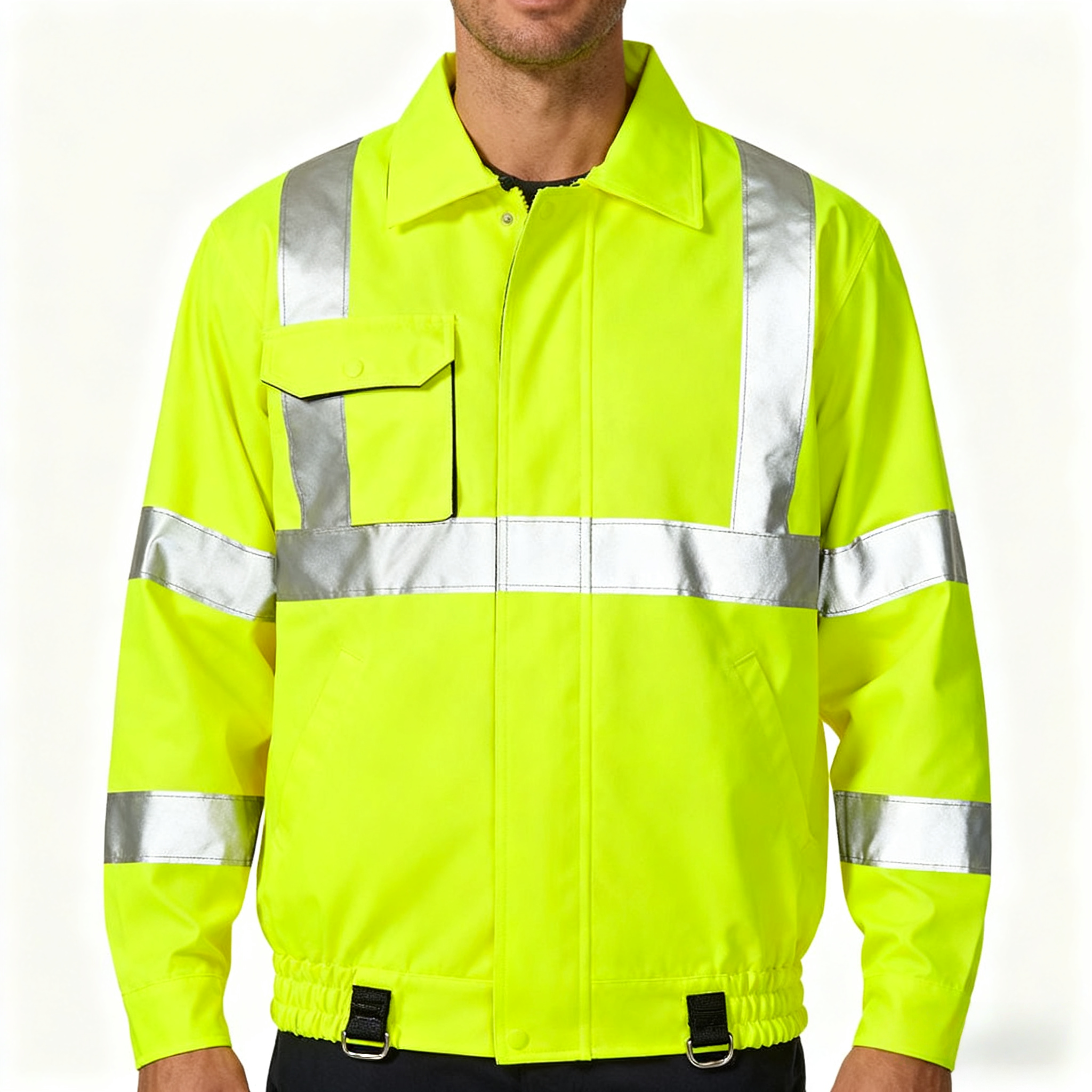
The Hidden Danger of Covering Reflective Safety Workwear
Working at Rafeel Safety has taught me how critical it is to keep reflective safety workwear visible. Just eight months ago, a municipal garden maintenance team from Europe shared a close call. Their workers had been wearing thick jackets over our reflective safety workwear during cold weather, thinking the jackets would keep them warm without issues. One evening, a worker was hit by a passing vehicle while trimming roadside plants—luckily, the injury was minor, but the driver later said they never saw the worker until it was too late. Our team inspected the scene and found that the jackets completely covered the reflective strips on the workwear. At Rafeel Safety, we design reflective safety workwear to meet international standards like EN ISO 20471 and ANSI/ISEA 107, with high visibility strips strategically placed on the chest, shoulders, and sleeves. Covering these strips cancels out the core safety function of the gear, putting workers at risk in low light or high traffic areas like construction sites or road maintenance zones.
Why Visible Reflective Strips Are Non Negotiable for Safety
Reflective safety workwear is engineered to make workers stand out in all conditions, and visible reflective strips are the key to this design. The retro reflective material we use at Rafeel Safety reflects light back to its source, such as car headlights, making workers visible from hundreds of meters away. This is especially crucial for night operations, traffic control, or early morning shifts when natural light is limited. Our R&D team spends months testing the placement of reflective strips—we ensure they’re on high movement areas that won’t be easily obscured by body position. For example, our reflective safety vests have strips that wrap around the torso and arms, while our jackets feature extended strips on the sleeves for when workers raise their arms to operate tools. A road maintenance client in Australia switched to our reflective safety workwear after a similar incident, and they reported zero near misses in six months. When these strips are covered by other clothing, the light can’t bounce back, and the workwear might as well not have reflective features at all.
Rafeel Safety’s Design Expertise for Uncompromised Visibility
At Rafeel Safety, we don’t just add reflective strips to clothing—we engineer our reflective safety workwear for maximum visibility even in challenging scenarios. Our products undergo rigorous testing for retro reflection performance, ensuring they meet or exceed global safety standards. We use high quality reflective tape that’s resistant to wear, tear, and fading, so it stays bright even after repeated washes. We also offer customizable options, such as adjustable fits and detachable layers, to help workers stay warm without covering the reflective elements. For example, our winter reflective jackets have built in thermal liners that don’t block the reflective strips, and our vests are designed to be worn over light layers without slipping or bunching. A construction company in North America requested custom reflective safety workwear with extra wide strips, and our team delivered a design that maintained visibility even when workers wore tool belts. Our strict quality control process checks every garment to ensure reflective strips are properly attached and positioned, so clients can trust their teams are visible.
Expert Opinions and Industry Guidelines on Reflective Workwear Use
Safety experts and industry organizations emphasize that keeping reflective safety workwear visible is a non negotiable safety practice. According to the International Safety Equipment Association, 70% of workplace accidents involving vehicles occur because workers were not properly visible. Dr. James Wilson, a workplace safety specialist, states, “Reflective safety workwear is only effective if the reflective elements are unobstructed. Covering them with jackets, sweaters, or bags negates the purpose of the gear and puts lives at risk.” Rafeel Safety adheres to guidelines from OSHA and other global bodies, which require reflective safety workwear to be visible at all times during work hours. We also provide training materials for our clients, teaching workers how to wear the gear correctly—such as zipping reflective jackets fully, avoiding tucking vests into pants, and removing any items that cover the strips. A warehouse logistics client in Europe shared that after implementing our training, their workers’ compliance with proper wear increased by 90%, and reported visibility concerns dropped drastically.
Rafeel Safety’s Comprehensive Support for Safe Reflective Workwear Use
At Rafeel Safety, we’re committed to providing more than just high quality reflective safety workwear—we offer end to end support to ensure it’s used correctly. Our team of safety experts is available to consult with clients on the best products for their specific work environments, whether it’s road maintenance, construction, or night operations. We offer flexible manufacturing options, from small trial orders to bulk shipments, and can customize reflective safety workwear to meet unique needs. Our global export expertise means we handle all logistics and documentation, delivering products to clients in North America, Europe, Australia, and beyond. We also provide after sales support, answering questions about care, wear, and maintenance to keep the reflective elements in top condition. With competitive pricing and value engineering, we ensure clients get the best return on their investment. When you choose Rafeel Safety, you’re not just buying reflective safety workwear—you’re partnering with a team dedicated to keeping your workers safe. We stand behind our products, knowing that unobstructed reflective safety workwear is the first line of defense against accidents in high risk environments.
![Reflective Safety Workwear Coverage Guide [B2B]](https://shopcdnalpha.grainajz.com/category/18993/4129/d3ddc34beea51e36092b055e68e60567/%E4%BC%81%E4%B8%9A%E5%BE%AE%E4%BF%A1%E6%88%AA%E5%9B%BE_17863402894309.png)
 REQUEST AN ESTIMATE
 Home
Home