
 High Visibility Clothes
 EN
EN
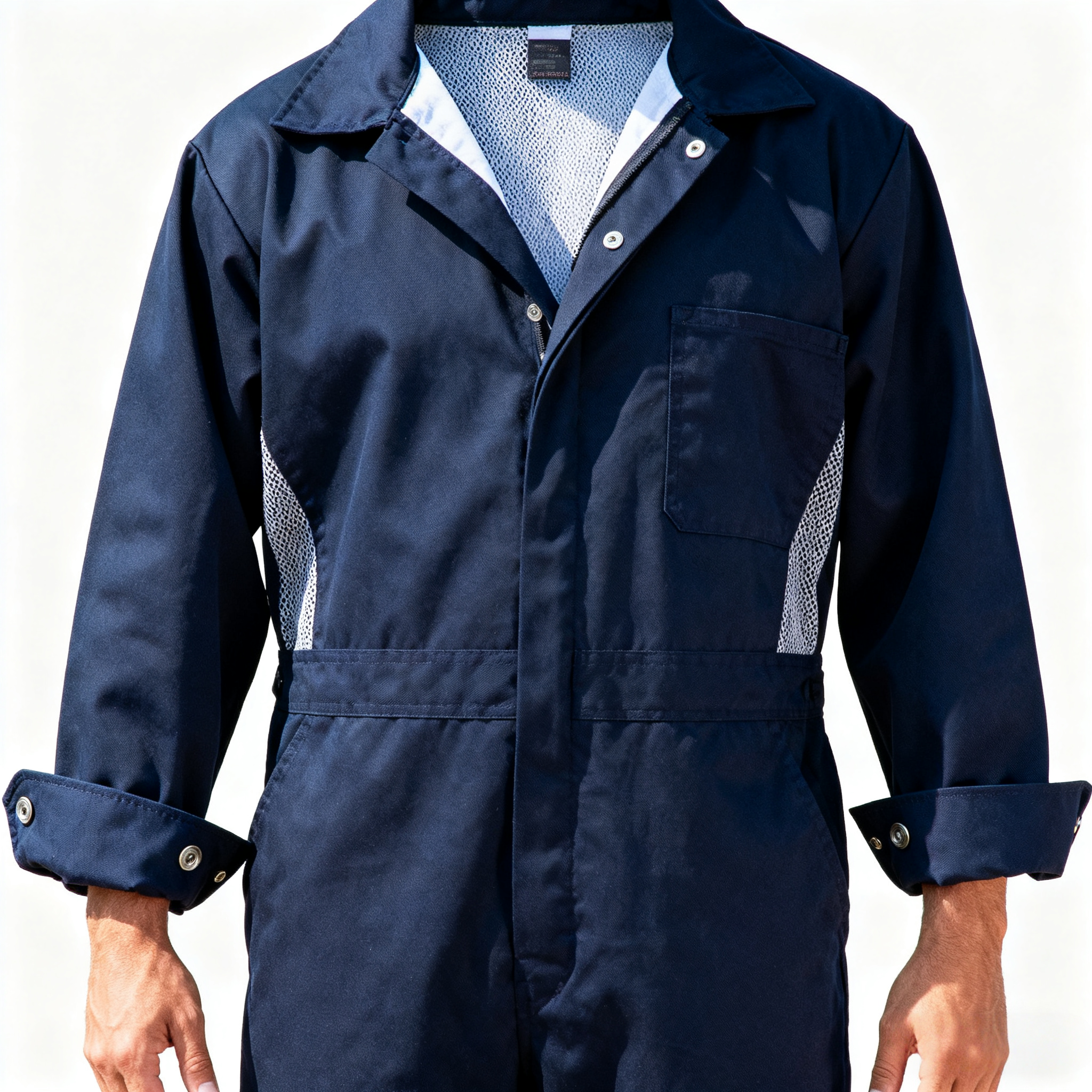
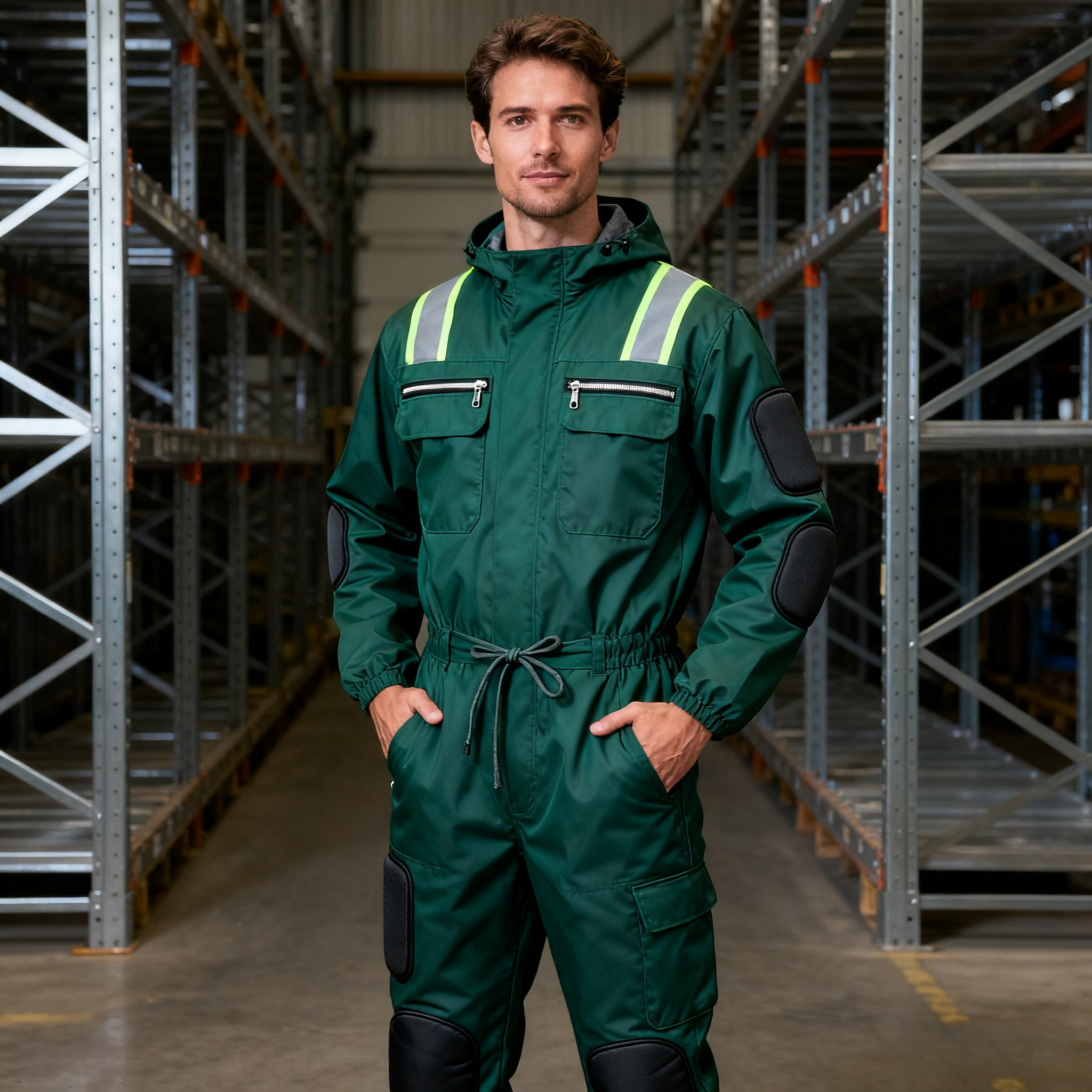
Why Recycled Polyester Work Clothes Have Lower Heat Tolerance
Recycled polyester work clothes face inherent thermal limitations due to structural changes during the recycling process. Unlike virgin polyester, recycled fibers undergo mechanical stress and thermal reprocessing that shorten polymer chains—reducing tensile strength by approximately 28% and lowering the melting point threshold (Textile Circularity Report 2023).
The Impact of Recycling on Polymer Chain Integrity and Melting Point
When polyester goes through mechanical recycling, it gets cut up and melted down, which breaks those long polymer chains apart. At the molecular level, this breakdown actually makes the material easier to work with because the weakened bonds need less heat to start melting. Research shows that recycled polyester typically starts melting around 15 to 20 degrees Celsius cooler than brand new material. What happens next isn't so great though. The way these molecules arrange themselves becomes less stable over time, making products made from recycled polyester more likely to warp or change shape when they encounter heat close to what's considered normal during manufacturing processes.
Thermal Degradation Evidence: 72% of Recycled Polyester Workwear Blends Show Damage Above 130°C
Industry testing reveals over 72% of recycled polyester/cotton workwear blends exhibit visible damage—including fiber glazing, shrinkage exceeding 7%, and seam puckering—when subjected to temperatures above 130°C (Workwear Durability Consortium 2024). Critically, this thermal damage occurs before full melting, progressively undermining flame resistance, moisture management, and structural integrity.
Functional Risks of Overheating Recycled Polyester Work Clothes
Structural Failure: Melting, Shrinkage, and Seam Distortion
Going beyond the heat limit causes permanent damage to materials. When temps hit over 130 degrees Celsius, around three out of four recycled fabric mixes start to melt, creating those see-through spots and shiny surfaces we all know too well. The fabric also shrinks quite a bit during heating, sometimes up to 12% across the width, which messes with how clothes actually fit on people. What's worse, the seams get weaker from the heat and just come apart when pulled or stretched. These problems aren't just cosmetic issues either they make workwear dangerous because the garments simply can't hold up against normal wear and tear anymore, and workers end up with ill-fitting protective gear that doesn't protect them properly.
Performance Compromise: Loss of Flame Resistance, Moisture-Wicking, and Durability
When protective gear gets too hot, it basically ruins all those special treatments that make the clothing work properly. The flame resistant coatings start breaking down around 140 degrees Celsius, which means they can no longer protect against sparks or flames in places where workers deal with electricity or welding. Recycled polyester materials also suffer when exposed to excessive heat. They lose about 40 percent of their ability to wick away sweat because the fibers change shape and the tiny holes in the fabric get messed up. And let's not forget about durability issues either. Heat really takes a toll on abrasion resistance too, making clothes wear out faster in areas that naturally get more friction, like around the elbows and knees. This kind of damage significantly reduces how long workers can actually use their protective clothing before needing replacements.
Ironing Best Practices for Recycled Polyester Work Clothes
Safe Temperature Range (110–130°C), No Steam, and Fabric-Specific Settings
The ideal temperature for ironing is somewhere between 110 and 130 degrees Celsius. Most recycled fabric blends start to show signs of damage when temps go over 130, according to polymer stability studies. Remember to turn off the steam function completely. Steam can actually weaken fabric fibers and make shrinkage much more likely than dry heat alone. Look for the synthetic or polyester setting on newer irons these days, since those settings automatically keep temperatures from getting too hot. When dealing with mixed fabrics, always follow the requirements for whichever material needs the least heat. A good trick is placing a thin cotton pressing cloth between the iron and clothing to spread out the heat more evenly across the surface. Move the iron in smooth, steady motions rather than letting it sit too long on any one spot, especially around delicate seams. If garment tags don't specifically mention how to handle recycled materials, stick with these basic guidelines to maintain important properties like flame resistance, moisture wicking ability, and general fabric strength over time.
Effective, Low-Risk Alternatives to Ironing Recycled Polyester Work Clothes
Steam Hanging, Roll-and-Press Folding, and Low-Heat Tumble Drying
Hanging clothes in steam works wonders for getting rid of wrinkles without actually touching them with heat. Just run a garment steamer nearby or take advantage of those steamy bathroom showers after a hot bath. Another trick is roll-and-press folding where clothes are folded tightly and left overnight under some weight. The pressure does all the work while we sleep. For tumble drying, keep temperatures low around 50 degrees Celsius max and throw in some dryer balls to cut down on creases without damaging fabrics. These approaches completely avoid common problems like scorch marks, shiny spots on fabrics, and messed up seams that regular ironing tends to cause.
Energy and Longevity Benefits: Up to 65% Less Energy vs. Traditional Ironing
Switching to these alternative methods can really cut down on energy usage. For instance, steam hanging consumes about 90 percent less power compared to regular ironing appliances. And when it comes to drying clothes, those special low heat cycles actually save between forty to sixty five percent of the usual energy consumption. What's more, garments last longer because they experience less heat damage over time. The fibers don't break down as quickly, so people end up replacing their clothes less often. This saves money in the long run and is better for the planet too. The good news is that even with all this energy saving going on, important qualities such as wicking away sweat and keeping shape after multiple washes stay exactly the same.
Frequently Asked Questions
Why does recycled polyester have a lower melting point than virgin polyester?
Recycled polyester has a lower melting point because the recycling process involves breaking down long polymer chains, which results in weakened bonds that require less heat to melt.
What are the risks of overheating recycled polyester work clothes?
Overheating recycled polyester work clothes can lead to structural failure, reducing flame resistance, moisture-wicking ability, and durability, making the garments unsafe and prone to quick wear and tear.
How can I safely iron recycled polyester work clothing?
To safely iron recycled polyester work clothing, use a temperature range between 110-130°C, avoid steam, and adjust fabric-specific settings. Place a cotton pressing cloth between the iron and clothing, and move the iron in smooth motions.
What are alternative methods to ironing recycled polyester garments?
Alternative methods include steam hanging, roll-and-press folding, and low-heat tumble drying, which effectively remove wrinkles without exposing the garments to direct heat.
 REQUEST AN ESTIMATE
 Home
Home