
 High Visibility Clothes
 EN
EN
The Risk of Dye Transfer to Recycled Polyester Work Clothes
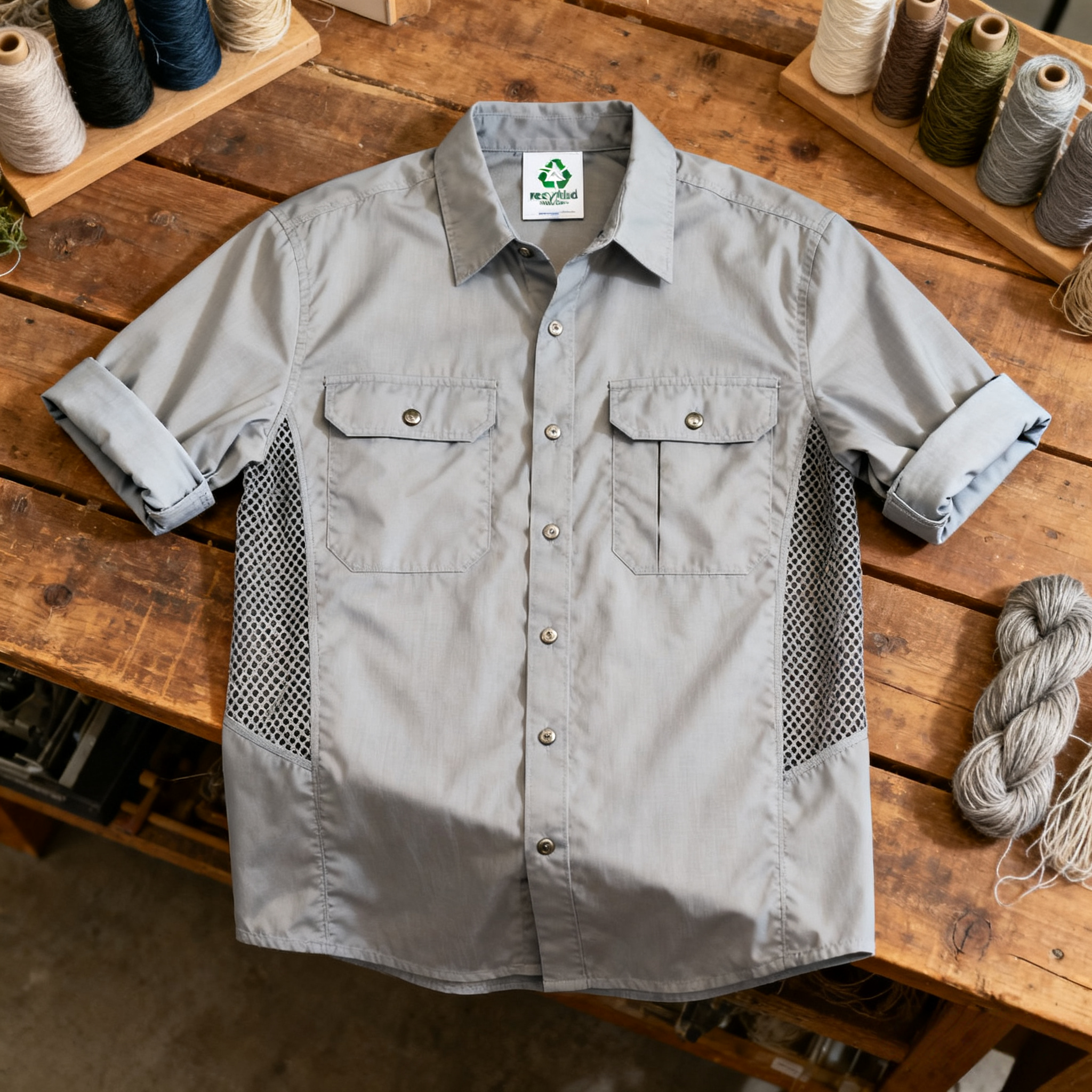
Having worked with Rafeel Safety for years, I’ve seen countless clients face the frustration of dye transfer on their recycled polyester work clothes. Just last quarter, a warehouse logistics company from North America reached out with a problem. Their team had been washing our recycled polyester work clothes together with dark denim overalls and black jackets. After a few washes, the light colored recycled polyester shirts and vests were stained with gray and black splotches that wouldn’t come out. The dye from the dark fabrics had leached into the water and adhered to the recycled polyester fibers. At Rafeel Safety, we specialize in high quality workwear, and our experts know that recycled polyester has unique fiber properties that make it more prone to absorbing loose dyes. Unlike natural fibers, recycled polyester is synthetic and has a smooth surface that can trap dye molecules easily. This not only ruins the appearance of the recycled polyester work clothes but also reduces their visibility—critical for high visibility styles used in road maintenance or construction.
Why Recycled Polyester Fibers Attract Dyes More Easily
To understand why separation is necessary, we need to look at the science behind recycled polyester fibers. Recycled polyester is made from melted plastic bottles and other plastic waste, which are spun into new fibers. These fibers have a slightly porous structure compared to virgin polyester, making them more receptive to loose dyes in the wash. At Rafeel Safety, our R&D team tests every batch of recycled polyester work clothes for colorfastness, ensuring they meet international standards like EN ISO 20471. However, even the most colorfast recycled polyester can’t resist the concentrated dyes from dark fabrics washed together. We conducted an internal test: washing a white recycled polyester safety vest with a black cotton hoodie resulted in noticeable gray tinting on the vest after just one cycle. Dark fabrics, especially new ones or those made with less stable dyes, release more dye during washing. When combined with recycled polyester’s dye absorbing properties, this creates a perfect storm for staining. Our team always advises clients to treat recycled polyester work clothes with extra care during washing to preserve their color and performance.

Rafeel Safety’s Expert Washing Guidelines for Recycled Polyester Work Clothes
At Rafeel Safety, we don’t just produce top tier recycled polyester work clothes—we provide detailed care instructions to help them last. Our expert guidelines emphasize separating recycled polyester from dark fabrics as the first rule. We recommend washing light colored recycled polyester work clothes with other light fabrics or alone. For dark colored recycled polyester pieces, they can be washed with other darks but should still be separated from non polyester dark fabrics like cotton or denim. We also suggest using cold water (30°C or below) and a mild, dye free detergent to minimize dye release and absorption. Another key tip is to wash new recycled polyester work clothes separately for the first 2 3 washes, as they may release small amounts of excess dye. A construction client in Europe followed our guidelines and reported that their recycled polyester work clothes retained their bright colors and visibility for over a year, compared to previous batches that stained after just a month. Our care labels are sewn into every garment, and we provide bulk order booklets with step by step washing instructions, ensuring every user knows how to protect their workwear.
Expert Opinions and Industry Standards on Synthetic Fabric Care
Textile experts and industry organizations confirm the importance of separating recycled polyester from dark fabrics. According to the International Fabric Care Institute, synthetic fabrics like recycled polyester are 30% more likely to absorb loose dyes than natural fibers. Dr. Lisa Wong, a textile science specialist, states, “Recycled polyester’s unique fiber structure makes it a magnet for free dye molecules. Washing it with dark fabrics, which often release more dye, is a surefire way to cause staining that’s hard to reverse.” Rafeel Safety adheres to strict industry standards, including ISO 9001, which requires clear care instructions for synthetic workwear. We also align with guidelines from global safety bodies that emphasize preserving high visibility properties through proper washing. A municipal services client in Australia shared that following our separation advice helped their recycled polyester work clothes maintain compliance with ANSI/ISEA 107 visibility standards for longer. By heeding expert opinions and industry best practices, we help clients get the most value from their recycled polyester work clothes while keeping workers safe and visible.
Rafeel Safety’s Commitment to Durable Recycled Polyester Work Clothes
At Rafeel Safety, we’re dedicated to producing recycled polyester work clothes that are not only sustainable and safe but also durable. Our state of the art manufacturing facilities use high quality recycled polyester fibers that undergo rigorous colorfastness testing. We offer customization options, including custom colors and reflective patterns, and ensure that every garment can withstand proper washing when following our guidelines. Our flexible manufacturing capabilities allow us to cater to both small trial orders and large bulk shipments, and we provide OEM and ODM support for clients with specific design needs. With our global export expertise, we handle all logistics and documentation, delivering recycled polyester work clothes to clients in North America, Europe, Australia, and beyond. We also offer after sales support, answering questions about care and maintenance to help clients avoid common issues like dye transfer. Our competitive pricing and value engineering ensure clients get the best return on their investment. When you choose Rafeel Safety’s recycled polyester work clothes, you’re not just getting sustainable workwear—you’re partnering with a team that provides the knowledge and support to keep it looking and performing its best for years.
Table of Contents
- The Risk of Dye Transfer to Recycled Polyester Work Clothes
- Why Recycled Polyester Fibers Attract Dyes More Easily
- Rafeel Safety’s Expert Washing Guidelines for Recycled Polyester Work Clothes
- Expert Opinions and Industry Standards on Synthetic Fabric Care
- Rafeel Safety’s Commitment to Durable Recycled Polyester Work Clothes
 REQUEST AN ESTIMATE
 Home
Home