
 High Visibility Clothes
 EN
EN
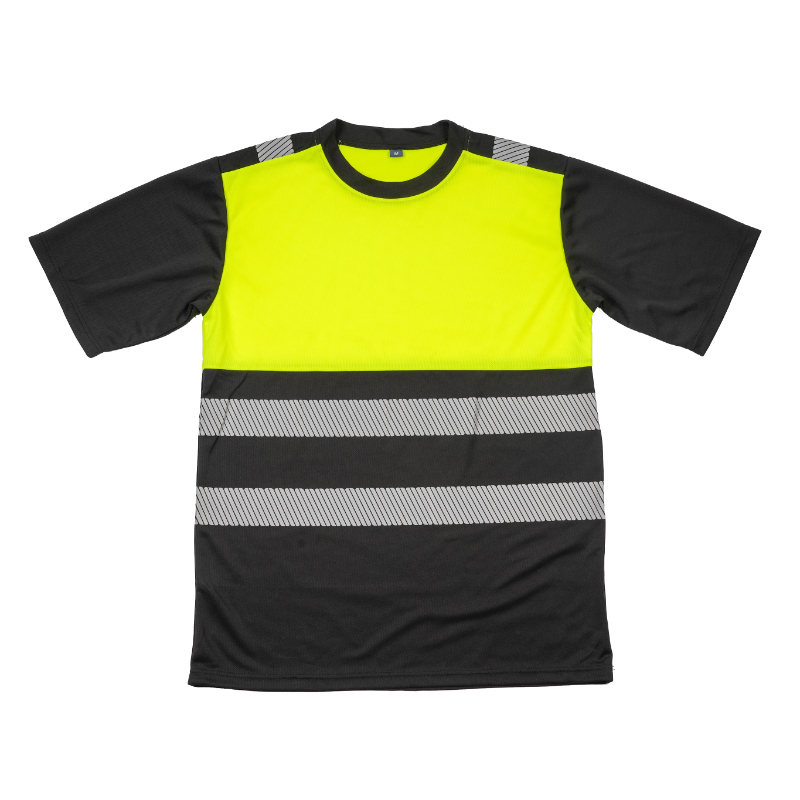
Why Should You Hang FR Shirts with Moisture Wicking to Dry?
Are moisture-wicking FR shirts important for high-risk workers? Definitely. They provide flame resistance while doing moisture management. Comfort matters for safety too. While most workers avoid softeners and choose the right detergent, we’ve noticed that most people don’t think about how shirts are dried. Hanging them to dry might seem like a convenience, but it’s a necessary part of maintaining the shirt’s core functions. Machine drying, especially on high heat, can severely affect the fabric’s durability, flame resistance, and moisture-wicking capabilities. This blog discusses the most important reasons for hang drying moisture-wicking FR shirts, and the best methods for maintaining high performance.
Hanging to Dry Preserves Moisture Wicking Structure
The moisture-wicking capability of FR shirts is due to a faint network of fabric capillaries that transport sweat from the skin to the surface. Though, machine driers, with their high heat, cause fabric fibers to shrink, melt, or clump, which in turn, blocks these capillaries. A shirt with blocked capillaries cannot transfer sweat, leaving the worker damp. Workers remain uncomfortable during their shifts when the shirts are not allowed to dry.
Hanging FR shirts with moisture-wicking to dry allows the fibers to retain their natural shape and structure. Air drying is gentle, fiber damage is prevented, and the capillary network is preserved. Even after multiple washes and hangs, the moisture-wicking performance remains consistent. This performance is critical in allowing the shirt to keep the worker dry during extended shifts. Gentle drying preserved the shirt and allowed it to dry quickly, maintaining performance.
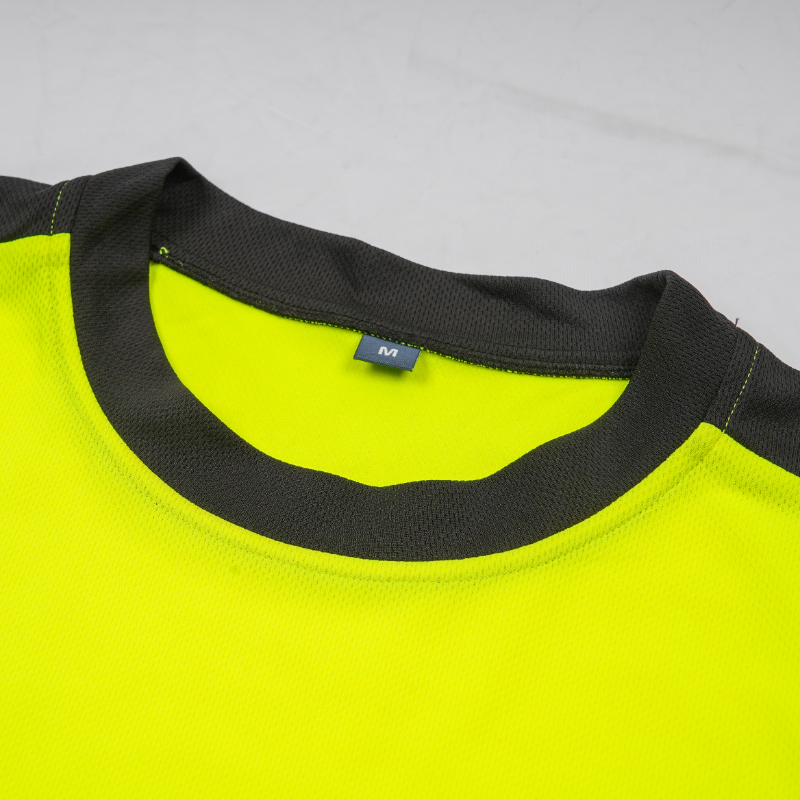
Hanging to Dry Maintains Flame Resistance
Protecting flame resistance is critical when it comes to the safety features of FR shirts combined with moisture wicking. High heat drying and drying to high temperatures is an extreme risk. Flame resistant shirts are primarily treated with chemicals to achieve flame resistance and high temperatures volatilize and break down chemicals. Machine drying can cause the chemicals to be leached out or degraded to the point that it will no longer be flame resistant to prevent burns. While inherently flame resistant fibers are more durable, with high heat they will also suffer. They may become brittle, lose their structural integrity and protective capabilities. To avoid exposing FR shirts with moisture wicking to extreme heat, it is best to hang dry them. This will ensure the shirts remain compliant with safety standards, with the capability to protect workers from fire hazards.
Hanging to Dry Extends the Lifespan of FR Shirts with Moisture Wicking
FR shirts with moisture wicking are an investment, and proper drying helps maximize their lifespan. Machine dryers subject clothes to friction, tumbling, and high heat—all of which accelerate wear and tear. Friction between the shirt and other items can cause pilling, fraying, or stretching, while heat weakens the fabric over time. Hanging FR shirts with moisture wicking to dry eliminates these stresses. The shirt hangs freely without rubbing against other garments, reducing pilling and fraying. Gentle air drying also prevents shrinkage, ensuring the shirt maintains its proper fit. A well-fitted FR shirt with moisture wicking not only feels more comfortable but also performs better—loose or tight fabric can hinder moisture transfer or leave gaps in protection. By hanging to dry, workers can get more wears out of their FR shirts with moisture wicking, saving money and ensuring consistent safety.
Safe and Effective Hanging Methods for Moisture Wicking FR Shirts
Choosing to hang up FR shirts with moisture wicking is very important, but so is the technique used to hang them. Select wide-shouldered hangers so that the hangers will support the shirt’s shoulders and avoid stretching. If you use a narrow hanger, bumps will form on the shoulders, and the fabric will become misshapen. Button or zip the shirt partially to maintain its shape while drying, but let the collar and cuff hang loose to keep the shirt breathable while drying. Make sure to hang the shirt in a calendar for a while, and let a fresh breeze blow over it. It can become moisture and flame resistant. It will fade if put in the direct sunlight. Do not hang it in the bathroom or damp places, though, or it will become mildewed. It will damage the fabric and smell bad. It is better to use a drying rack, and if it is not, that is the only time you would lay the shirt down. Make sure that it can breath from all sides, and turn it frequently.
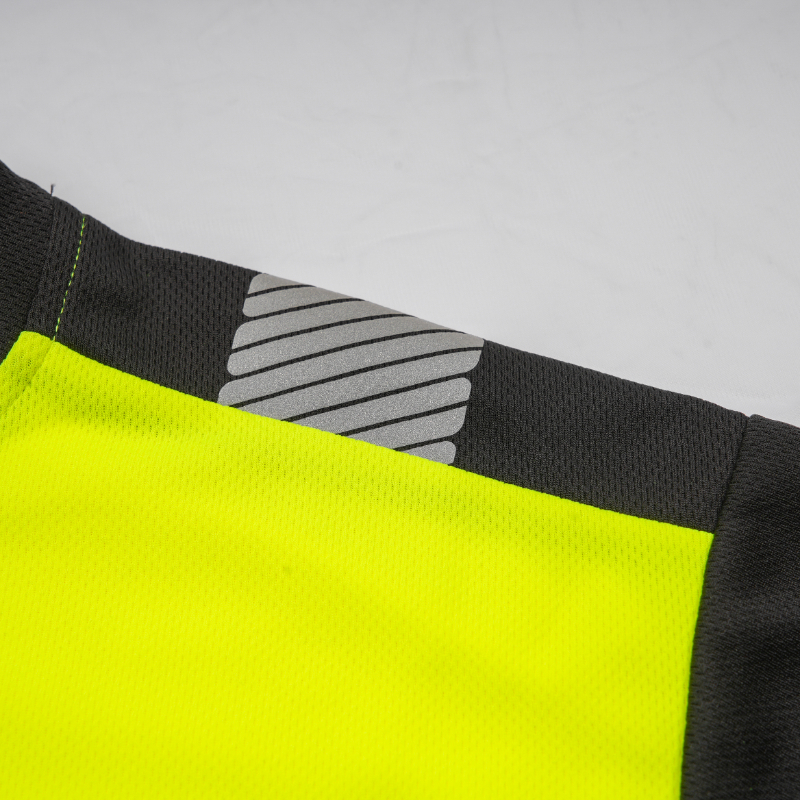
Why Drying Fabric With Moisture Wicking Materials in a Machine Is Risky
Even drying in a machine on low heat can still be risky for moisture wicking FR shirts. Although low heat is not as problematic as high heat stages, the fabric is still covered in warmth for a long time which can lead to the degradation of the flame resistant treatments. Machine dryers also create static which can be harmful to the moisture wicking layer’s delicate fibers. Also, the lint from other clothes in the machine can taper to the surface of the FR shirt, clogging the moisture wicking layers with lint in the drying process, which reduces effective performance. For workers that need to use a dryer in an emergency, it is recommended to use the lowest allowed heat setting and to take the shirt out as soon as it’s dry. However, hanging to dry is the safest choice to reduce the risk of damaged moisture wicking FR shirts.

 REQUEST AN ESTIMATE
 Home
Home