
 High Visibility Clothes
 EN
EN
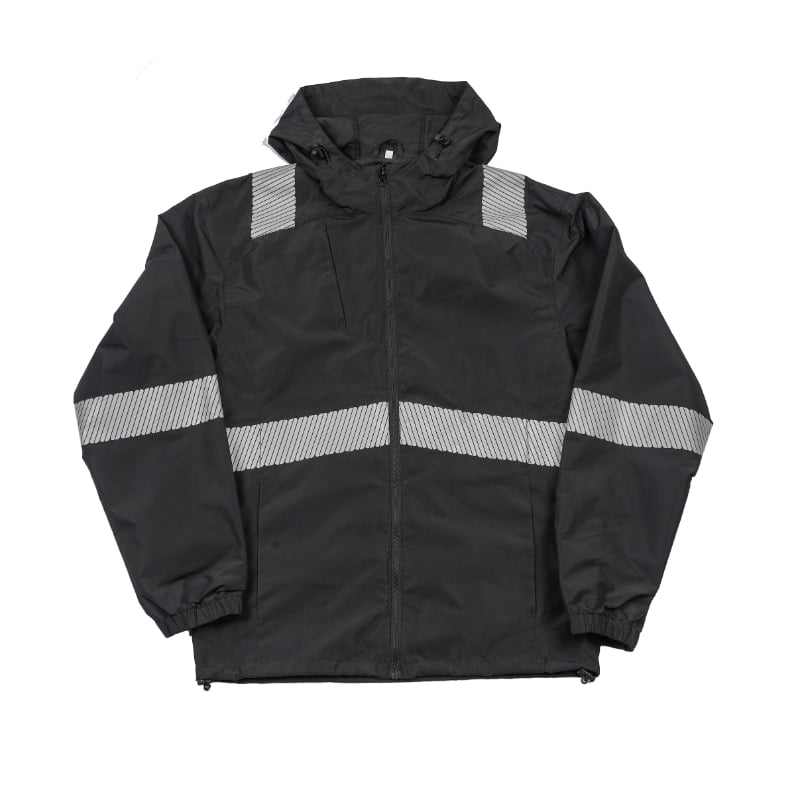
Replace Reflective Safety Workwear When Reflective Strips Start to Peel.
Reflective safety workwear is an important safety item for workers in high-visibility industries like construction, road repair, and warehouses. The highly reflective strips on safety workwear allow workers to be seen by vehicles, equipment operators, and fellow workers even in low-light and poor weather conditions. However, with the passage of time and repeated use, the reflective safety workwear strips may start to deteriorate. Many workers think that the workwear is still serviceable, but this is a very dangerous misconception as peeling strips greatly reduce visibility. This blog illustrates the process of managing the peeling of reflective safety workwear and the importance of making sure it is replaced as needed.
Strips Peeling Off Compromise the Visibility of Reflective Safety Workwear
The workwear’s safety features depend on the quality of the reflective workwear. The segments work on a condition of the fabric workwear. The segments constructed of reflective material layers are taped to the work fabric. The segments start to wear off, even a small segment revealing layers, the surface area decrease. If less light is reflect, the worker is less shuttle to hear. Peeling game due to the low light condition during dawn, dusk, or the night shifts, the workwear is nearly done. A driver is unlikely to evade a worker wearing lower light segments of workwear. Relative to workwear with integral segments, safety workwear with peeling layers of segments has a 60 percent lower efficiency on light reflection. This immensely increases the odds of a worker encountering a hazardous situation.
Peeling of Reflective Strips on Reflective Safety Workwear
Knowing why safety reflective workwear stripes are peeling helps employees and employers take necessary precautions. Most of the time, it is repeated washing and drying. Strong washing detergents, drying at high heat, and washing frequently can weaken the adhesive that holds the strips onto the fabric. Daily work wear and tear, such as rubbing against peeling machinery, dragging on surfaces, or constant joint bending, also contributes to peeling strips. The adhesive and the reflective material can deteriorate and weaken over time due to extreme weather, such as prolonged exposure to sunlight, heavy rain, and freezing temperatures. Inferior quality reflective safety workwear can also have poor quality adhesive, which can lead to peeling even with normal use. Knowing these causes gives the user the power to prolong the life of reflective safety workwear. However, it does not eliminate the need to replace it when the peeling occurs.
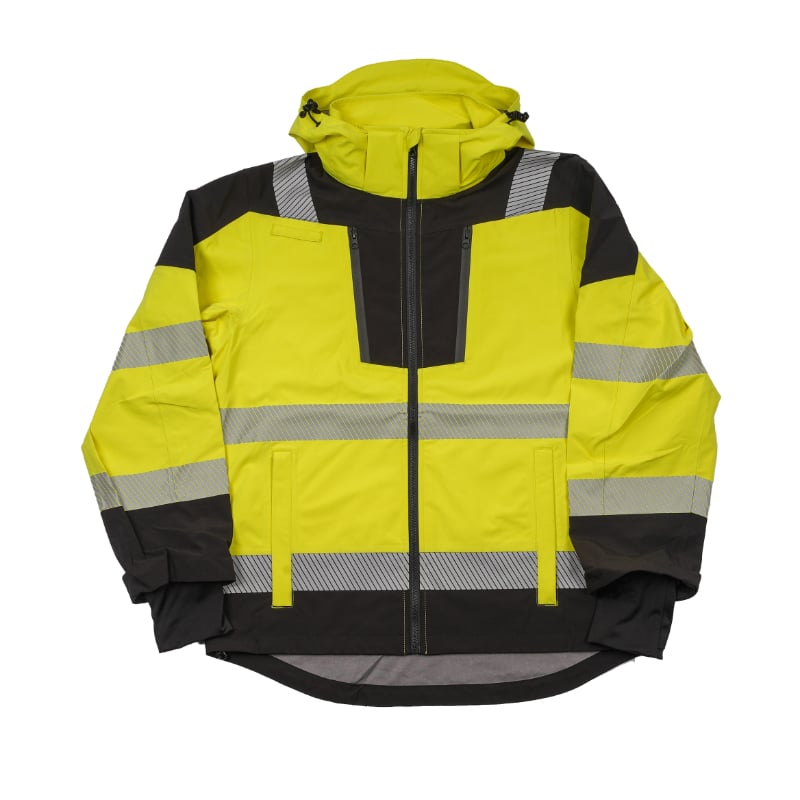
How to Identify Peeling Strips on Reflective Safety Workwear
Regularly inspecting reflective safety workwear can help find peeling strips early and often. Before each shift, workers should do a quick visual check, specifically on high-wear areas: shoulders, chest, back, and sleeves. Look for lifted edges, curled corners, or layers of fabric and reflective strips that have come apart. Gently run a finger over the strips; if there is a layer of fabric that is loose or hanging, peeling has started. In a dimly lit area, do the flashlight test: shine a light on the strips and look for the reflection. If the strips are intact, they will produce a bright, even light. Peeling strips will reflect light unevenly and will have dark patches. All reflective safety work wear should have monthly formal inspections by employers to ensure that there are no overlooked peeling or damaged strips.
Why It Isn’t Safe To Repair Peeling Strips vs Replacing Them
Using glue and tape as means to fix peeling strips on reflective safety work wear might be tempting, It does not fix the issue and is unsafe. Simple adhesive products do not retain any reflective properties, and do not stick well enough to the safety work wear to meet safety guidelines. The repaired strips peel off extremely quickly, especially after a few washes or normal wearing. To top it off, uneven reflective surfaces can be created when unsafe repairs are done. This uneven reflective surface can cause confusion in drivers and machine operators when reflective work wear is being worn. It is a safety guideline work reflective work wear and it strips has to be durable and highly visible. Repairs do not fix the safety standards that the work wear was initially created to meet. Hence when strips peel the only option left is to replace the whole reflective work wear for it to be safe.
Best Practices for Replacing Reflective Safety Workwear with Peeling Safety Strips
Establishing reliable procedures for replacing reflective safety workwear with peeling safety strips is essential for protecting employee safety. Having an official replacement procedure is critical for employers so workwear is taken out of service immediately for replacement when inspections identify peeling strips. Employees need to be encouraged to notify management of peeling strips outside of the established inspection periods. When sourcing new reflective safety workwear, employers need to select high-quality products with strong, durable industrial-grade adhesive strips. This adhesive strength contributes to extending the service life of the workwear. To mitigate replacement delays, employers need to, systematically, keep an excess stock of reflective safety workwear. Employees need to be trained on the consequences of using workwear with peeling strips, the importance of adhesive safety strips, and how to inspect for peeling.

 REQUEST AN ESTIMATE
 Home
Home