
 High Visibility Clothes
 EN
EN
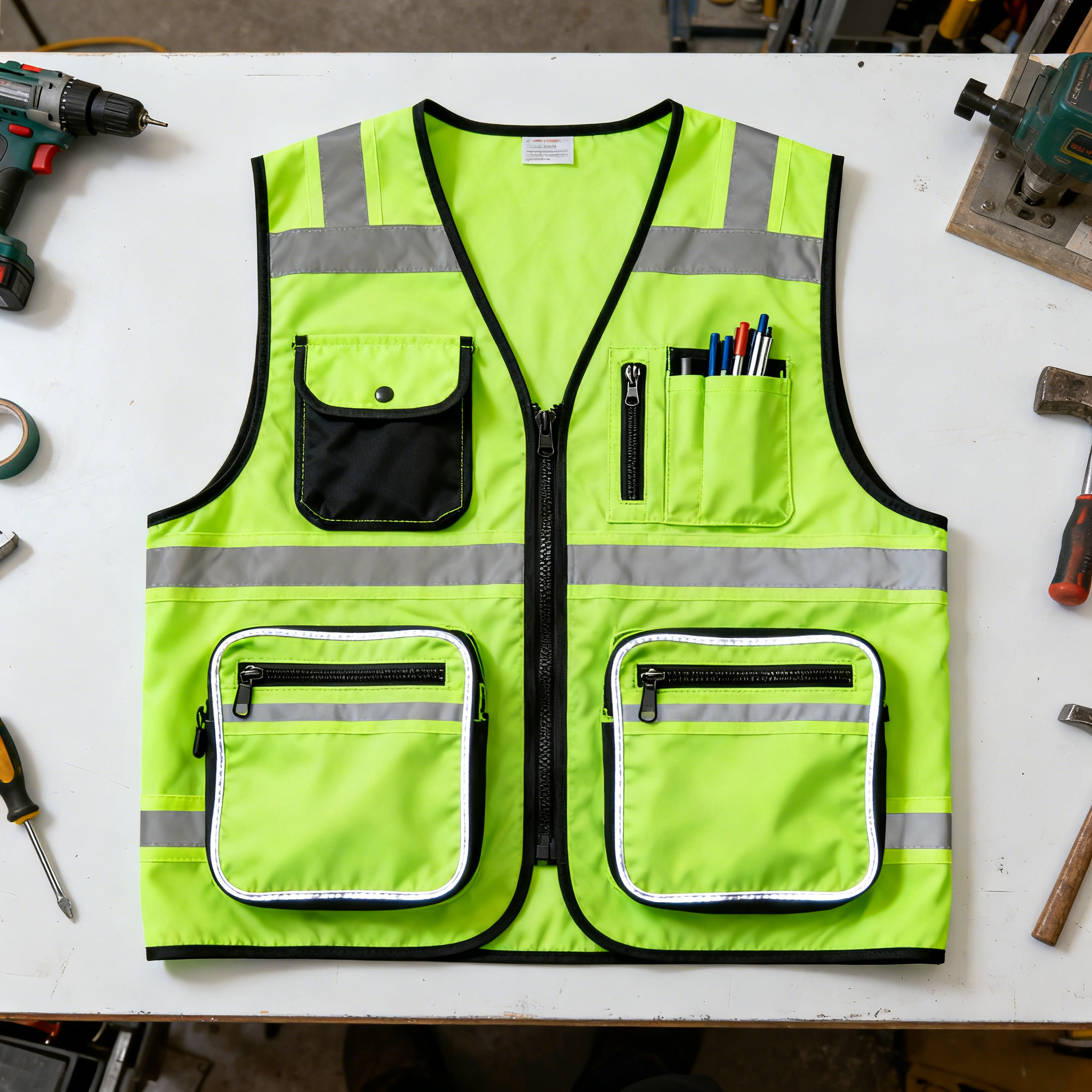
Core Coverage Principles for Reflective Bands on Recycled Hi-Vis Safety Vests
Defining clear core coverage principles for reflective bands on recycled hi-vis safety vests is the foundation of ensuring visibility and safety, and this is a key design standard we adhere to at Rafeel Safety. I have been engaged in the R&D and production of recycled hi-vis safety vests for over seven years and have corrected many cases where improper reflective band positions rendered the vests ineffective. A municipal garden maintenance company once purchased low-quality recycled hi-vis safety vests with reflective bands only on the front—workers were hit by a vehicle while working on the roadside at dusk because the driver couldn’t see them from the side. The core principle for reflective bands on recycled hi-vis safety vests is "360-degree full coverage without blind spots," which means the bands must cover the front, back, and both sides of the vest. This ensures that the wearer can be seen clearly from any angle, whether in daytime or low-light conditions. Rafeel Safety’s recycled hi-vis safety vests strictly follow international standards such as EN ISO 20471 and ANSI/ISEA 107, with reflective bands strategically placed to maximize visibility. Industry experts emphasize that the coverage of reflective bands directly determines the safety performance of recycled hi-vis safety vests, and any omission of key positions will greatly reduce their protective effect.
Must-Cover Front Positions for Reflective Bands on Recycled Hi-Vis Safety Vests
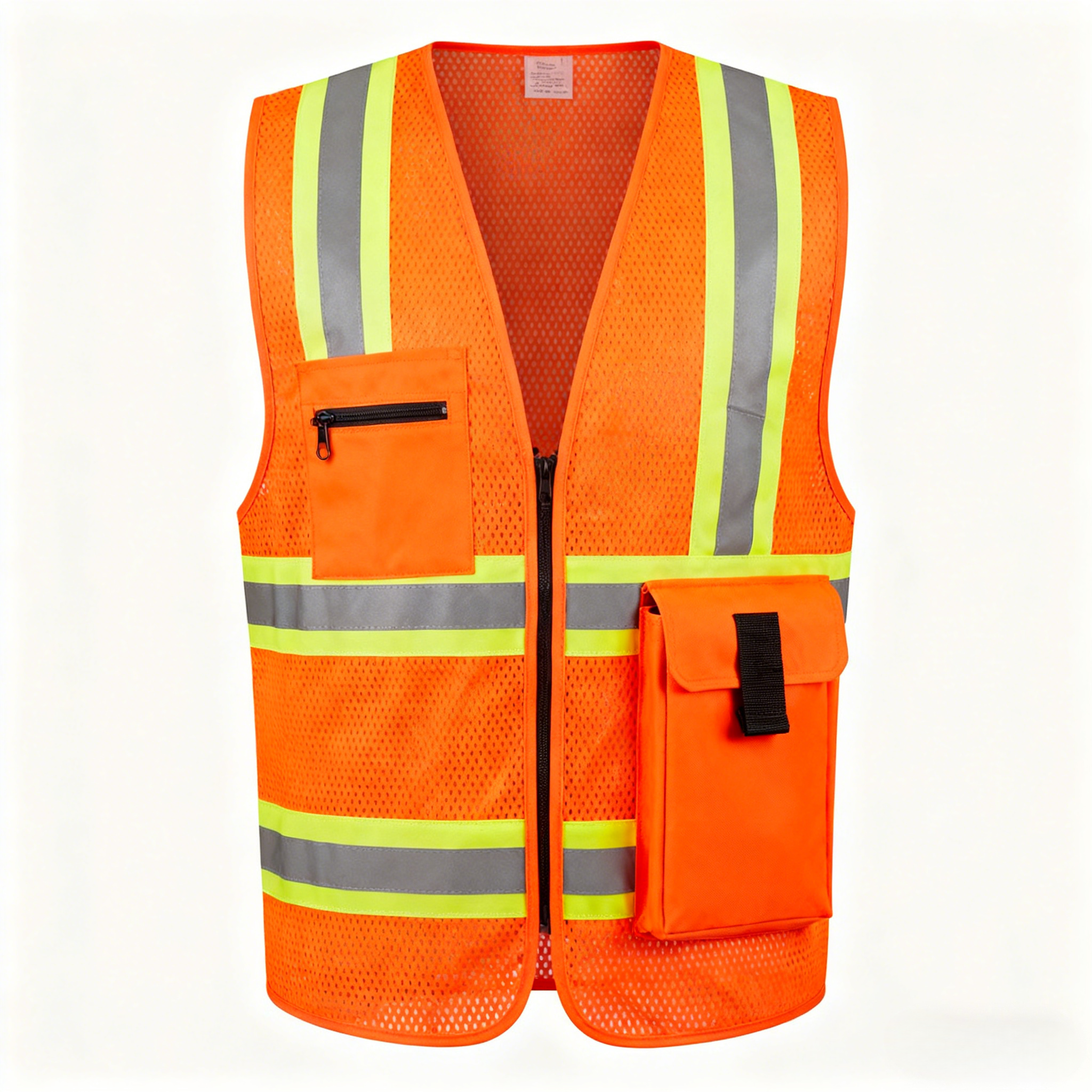
The front of recycled hi-vis safety vests is one of the most critical positions for reflective bands, as it is the first area visible to oncoming traffic and pedestrians. Through years of practical testing, Rafeel Safety has determined the optimal front coverage for reflective bands on recycled hi-vis safety vests. The front should be equipped with two horizontal reflective bands: one across the chest at the height of the collarbone and another around the waist. Additionally, a vertical reflective band should run down the center of the front placket, connecting the two horizontal bands. This "H-shaped" layout ensures that the wearer’s upper body is fully highlighted. I once worked with a road construction team to test different reflective band layouts—recycled hi-vis safety vests with the H-shaped front bands were detected by oncoming vehicles 30% earlier than those with only a single horizontal band. Rafeel Safety uses high-brightness recycled reflective materials for these bands, which not only meet environmental requirements but also have excellent retro-reflective performance. The width of each front reflective band is at least 5cm, ensuring sufficient visibility even in harsh weather conditions like rain or fog.
Essential Back Coverage for Reflective Bands on Recycled Hi-Vis Safety Vests
The back of recycled hi-vis safety vests is equally important as the front, especially for workers who are often in motion or facing away from traffic. Rafeel Safety’s design for the back reflective bands of recycled hi-vis safety vests follows a "cross plus horizontal" layout to achieve comprehensive coverage. There are two horizontal reflective bands: one across the upper back (between the shoulder blades) and another at the waist, consistent with the front bands. Two vertical reflective bands run from the shoulder blades down to the waist, intersecting with the horizontal bands to form a "cross" shape. This design ensures that the wearer is clearly visible to vehicles approaching from behind, even when bending over or moving. A logistics warehouse in North America once provided feedback that after switching to Rafeel Safety’s recycled hi-vis safety vests with cross-shaped back reflective bands, the number of near-miss accidents involving forklifts decreased by 45%. The reflective bands on the back of our recycled hi-vis safety vests are sewn with reinforced stitching to prevent wear and tear, ensuring long-term visibility and durability.
Side Coverage Requirements for Reflective Bands on Recycled Hi-Vis Safety Vests
Side coverage is often overlooked but is a crucial part of reflective bands on recycled hi-vis safety vests, as it addresses the blind spots between the front and back. Rafeel Safety’s recycled hi-vis safety vests are designed with vertical reflective bands on both sides, connecting the front and back horizontal bands. These side bands are positioned along the ribs, from the armpit area down to the waist, ensuring that the wearer is visible when viewed from an angle. I once witnessed a worker wearing a recycled hi-vis safety vest without side reflective bands almost being hit by a turning vehicle at a construction site—because the driver couldn’t see the worker’s side profile in the dusk. Our side reflective bands are made of flexible recycled materials that fit the body’s curves, without restricting movement during work. The width of the side bands is 4cm, which balances visibility and comfort. Rafeel Safety’s R&D team has verified through hundreds of tests that side reflective bands can increase the side visibility of recycled hi-vis safety vests by 60%, eliminating potential safety hazards from angular viewing.
Rafeel Safety’s Professional Design and Quality Control for Reflective Bands
Rafeel Safety’s professional design and strict quality control for reflective bands on recycled hi-vis safety vests are key to ensuring their safety performance and environmental advantages. First, we use 100% recycled polyester for both the vest fabric and reflective bands, adhering to environmental protection concepts without compromising visibility. Second, our reflective bands undergo rigorous retro-reflection performance testing, with each batch meeting the minimum reflective coefficient requirements of international standards. Third, we offer customized reflective band coverage for recycled hi-vis safety vests according to different job requirements—for example, adding extra reflective strips on the shoulders for workers in high-risk positions like traffic control. Every recycled hi-vis safety vest undergoes multiple inspections during production, including checks for reflective band position accuracy, stitching firmness, and material durability. Rafeel Safety also provides detailed usage guidelines for each recycled hi-vis safety vest, reminding users to check the integrity of reflective bands regularly. Our commitment to professional design and quality control ensures that recycled hi-vis safety vests not only meet environmental needs but also provide reliable 360-degree visibility, making them the preferred choice for safety-conscious enterprises worldwide.
 REQUEST AN ESTIMATE
 Home
Home