
 High Visibility Clothes
 EN
EN
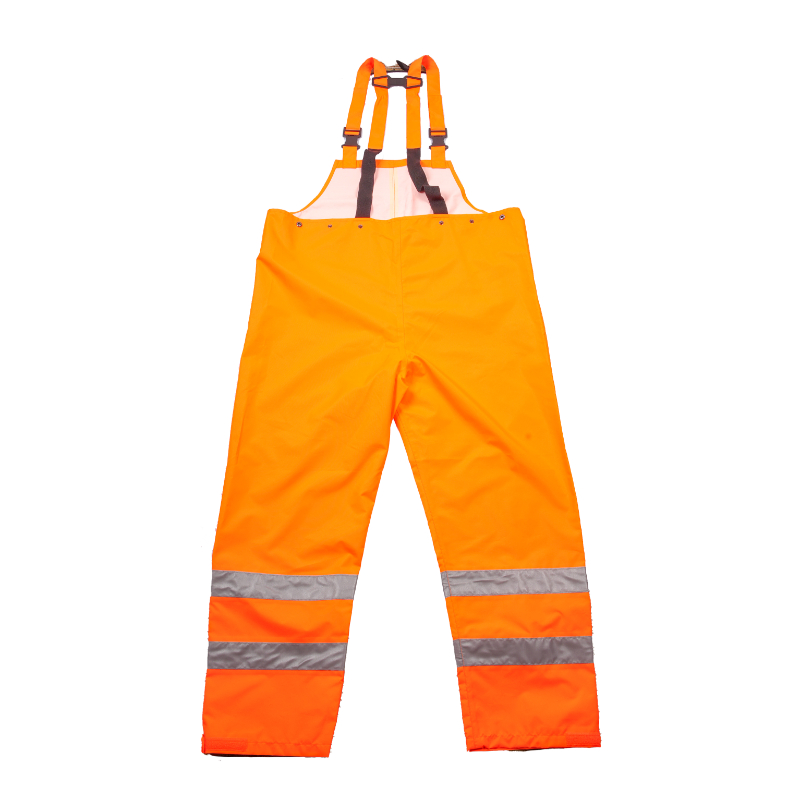
Wipe High Visibility Rain Gear with a Soft Cloth After Use to Maintain Its Shine.
High visibility rain gear is one of the first line of safety equipment for employees on construction and maintenance of roads and for those in the delivery business. This gear is designed to keep employees dry and also protect them from wet, low light environments. The brightness of high visibility rain gear, in both the colors and reflective strips, is designed to keep the wearer highly visibility. The dirt and water spots and other debris that rain gear collects, especially in dusty environments, during and after use can decrease the performace of the safety features of the gear. A damp cloth to wipe the gear after use can help remove the debris and keep the other safety features of the rain gear. This blog explains the reasoning and the best practice for avoiding deterioration of rain gear.
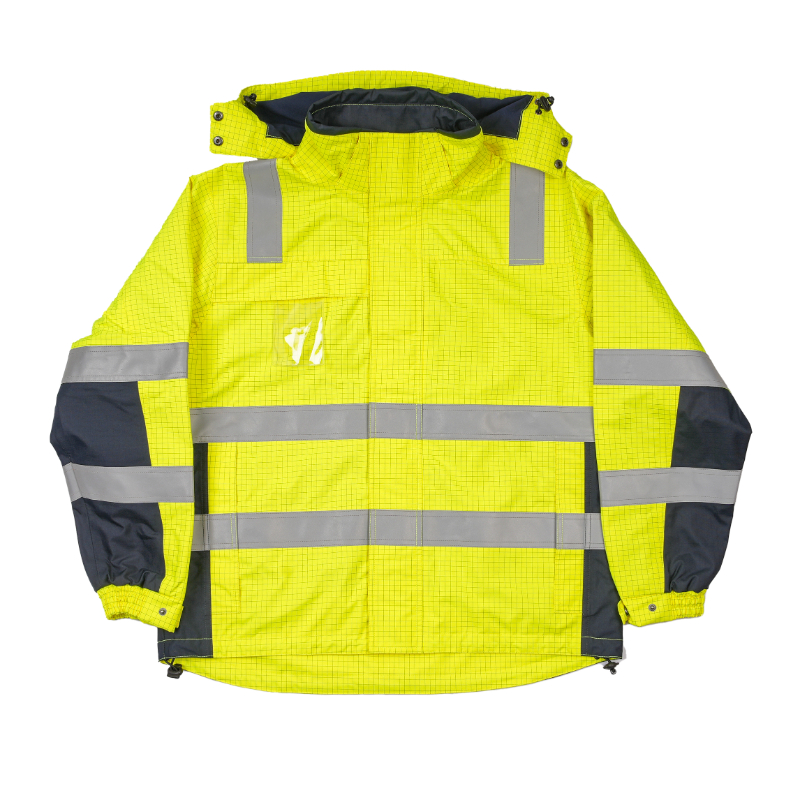
Dirt and Debris Dull the Shine of High Visibility Rain Gear
High visibility rain gear becomes less shiny when contaminants strike. Partially dried rainwater often picks up dust and road mud or road salt. These contaminants adhere to the outermost surface of the gear. Dull rain gear is less noticeable when the light is bright and in the dark. The gear’s reflective strips are also damaged by dirt. Dried filth blocks reflective particles in the strips and the light the strips are supposed to reflect. Stains will form over time if debris is not cleaned off. High visibility rain gear employees hinges their safety on the visibility of gear, so a dulled surface puts their safety at risk. Keeping the gear bright and visible is as simple as a wipe with a soft cloth.
Soft Cloths Protect the Surface of High Visibility Rain Gear
Just as important as wiping itself is the choice of cloth when taking care of high visibility rain gear. Be wary of rough materials, like paper towels, scrub brushes, or abrasive rags; they may scratch the gear’s waterproof coating and damage the reflective strips. Once the coating is scratched, the gear will slowly leak as the dull coating will no longer provide water resistance. Damaged reflective strips will lose the ability to reflect light, which is the primary purpose of high visibility rain gear. A soft cloth, like a microfiber towel or a clean cotton rag, is safe to remove dirt without danger of scratching. They absorb moisture and trap debris, lifting and removing dirt from the surface, rather than rubbing dirt into and around the fabric. A soft cloth will ensure that wiping will maintain the gear’s shine and eliminate any unintended damage.
How to Wipe and Clean High Visibility Rain Gears: A Step-by-Step Guide.
Wiping high visibility rain gear works wonders when shines to perfection and faster to minimize damage. Start by shaking off any extra water and loose debris. This will make it easier to wipe off the dirt. Then, take a clean, soft towel and dampen it with some lukewarm water. Make sure it is not hot water, because that will damage the rain gear's coating. Gently wipe the gear's surface, circularly, and concentrate on dirty regions, especially the cuffs, hems, and lower parts of the pants. For the reflective strips, wipe them too, but with much less pressure so they do not peel off or scratch. If there are any stubborn stains, take some mild detergent, wipe with it, and then rinse it off. Never use bleaches or harsh cleaners. After wiping the gear, use a soft towel to dry it and eliminate any moisture. Finally, hang the high visibility rain gear for some time to dry completely around the vented area so it is not stuffy. Then they can be stored.
How Wiping Improves the Longevity of High Visibility Rain Gear
The practice of regularly wiping high-visibility rain gear with a soft cloth after use helps to increase the longevity of the rain gear by preventing long-lasting harm. Dirt and debris left untouched gear will eventually wear down the waterproof coating. Corrosive materials like salt from road spray will erode the fabric and waterproof coating. A waterproof coating that is worn down will lose its shine and will allow water to permeate the fabric, which renders the gear useless. Wiping with a cloth removes these damaging materials right after use. It also helps to maintain the reflective strips. Dirty strips lose their reflective properties long before cleaned ones, which extends their ability to reflect for several years. Wiping helps maintain the gear's shine and structural integrity which reduces the frequency of needed replacements. This helps to save money and helps to maintain a high level of safety for workers and employers.
Daily Routine Care for High Visibility Rain Gear
To keep high visibility rain gear in optimal condition, make sure to wipe it down regularly as part of your daily care routine. This means using a designated soft cloth that won’t cross-contaminate any rough cleaning cloths or chemical pollutants. Store it close to the rain gear, perhaps next to a hook or in the same locker, for quick access to avoid it being ‘too much effort to get it'. If the gear is for daily use, set a reminder to wipe down the gear before storing it or hang a note near the hook. Employers can aid in this care routine by having soft cloths and mild detergent for communal use, as well as including gear care in safety training. Inspections of high visibility rain gear will also reinforce the routine—if gear has scratches and is dull, it will contrast against well maintained rain gear, showing the worker the difference.

 REQUEST AN ESTIMATE
 Home
Home