
 High Visibility Clothes
 EN
EN
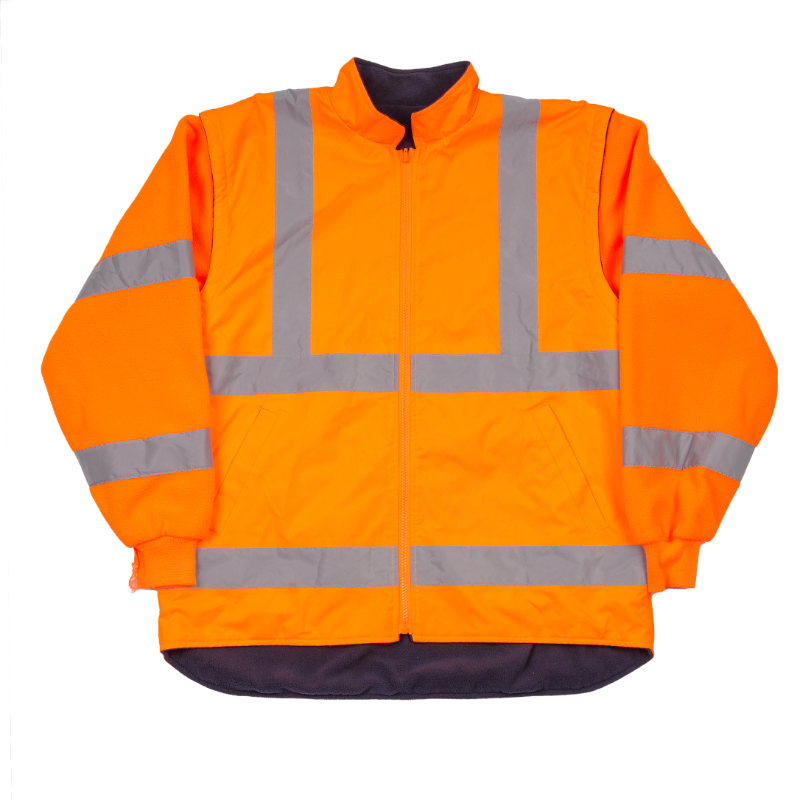
Why Should You Avoid Ironing Over Reflective Strips on Reflective Safety Workwear?
Reflective safety workwear is crucial for protecting those working in construction, road maintenance, logistics, and similar industries. That’s because visibility is critical in those fields. Reflective safety workwear has strips that reflect light, making sure that workers are visible in low light conditions or during inclement weather. While people often iron clothes to get rid of the wrinkles, workers should never iron over the reflective strips of their reflective safety workwear. Doing so can damage the strips, hinder the safety workwear’s visibility, and compromise the safety workwear's overall protective qualities. This blog is for you if you have ever wondered why you should never iron reflective strips and how to deal with wrinkled reflective safety workwear in the right way.
Ironing Damages the Reflective Coating of Reflective Safety Workwear
Reflective safety workwear contains reflective strips, which provide necessary safety visibility. These strips are composed of various insulating and microprism materials, and glass beads, which are designed and structured to reflect and deform light at various degrees. However, the reflective strips' coatings will deform and melt under high temperatures. For instance, glass beads can stick but are also able to melt, while microprism structures can be crushed. The strips will permanently lose the ability of light-reflection through the destroyed glass beads and microprism after high-temperature exposure. The strips will lose the ability of light-reflection to produced bright, indicating reflective workwear.
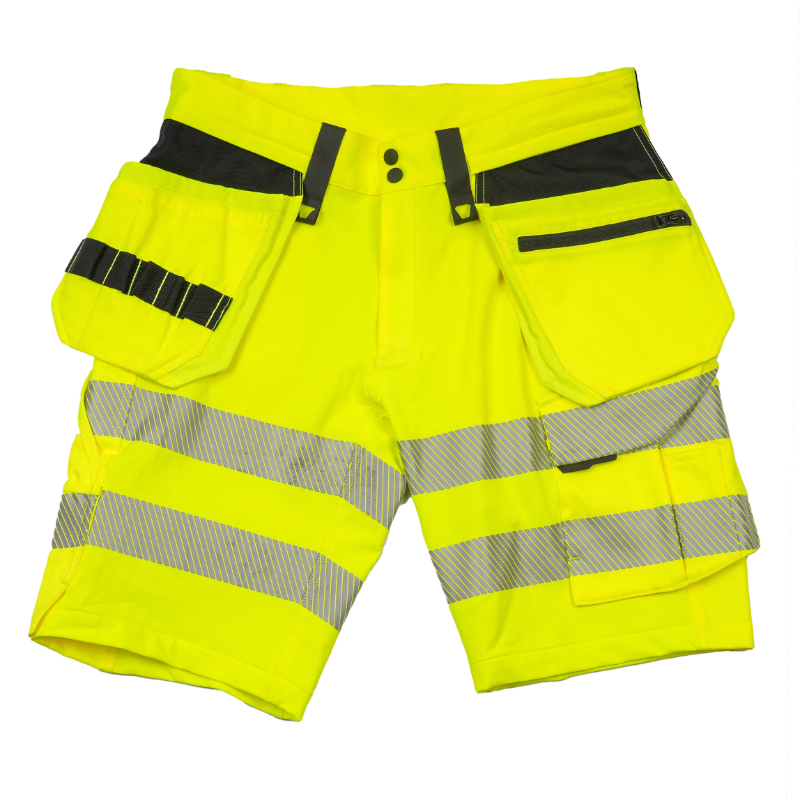
How High Contact Temperature Affects Adhesive on Reflective strips Safety Wear
The strips on reflective safety work clothes are affixed using industrial-grade adhesive tape. Each adhesive tape has a particular temperature tolerance, and heat exposure beyond this threshold will sharply reduce adhesive tape strength. Each side of the adhesive tape will be exposed to high heat for a prolonged time when ironing reflective safety wear and will soften, lose adhesive potential, or even carbonize. This will cause the reflective strips to peel off the safety reflective wear, and in severe cases, strips may completely fall off in use. Even when the strips do not menial peel off the wear after ironing, the strays bonding system has definitely been compromised, making bond separation a high probability after a normal routine or wash. The strips will lose safety reflective work wear when the reflective strips peel off, and the worked lose safety reflective reflectivity.
Physical deformation of the reflective strips on reflective safety workwear can happen while ironing. It can also ruin the reflective coating and adhesive. The strips have a composite structure which include the reflective layer, a base layer, and a protective layer. These layers have differing thermal expansion coefficients. An iron heats the layers and they warp, curl, and crease the strips unevenly. The unevenly deformed strips will not sit flush against the workwear fabric which creates gaps or bulges. This can have a negative impact on the workwear’s aesthetics. It will also alter the position of the light being reflected which will make the reflection uneven. In extreme cases, the edges of the strips may curl and snag on machinery posing a safety risk while working.
How to Remove Wrinkles From Reflective Safety Workwear
There are ways to avoid damaging the reflective strips while removing the wrinkles from reflective safety workwear. First, while washing the reflective safety workwear, use the gentle cycle setting, and avoid over-drying. Over-drying the workwear causes wrinkles too. If the workwear has only slight wrinkles, you can hang it outdoors in the shade, and let the workwear air smooth out the slight wrinkles to some extent. For more noticeable wrinkles, you are able to use a steam iron. Just remember to keep it at least 10 centimeters away from the reflective strips and use the low-temperature steam setting. The steam will penetrate the fabric, and work out the wrinkles without needing to contact the strips directly. Another option is to use a piece of thin cotton fabric to cover the reflective strips while you work on the surrounding fabric to iron it. The heated fabric will flow and keep the strips safe from damage.
How to Protect Reflective Strips on Reflective Safety Workwear for Longer
Avoiding ironing over the reflective strips is just one way to protect reflective safety workwear. There are many additional ways to protect the strips. First, while wearing the garment, do not allow the reflective strips to come in contact with sharp objects or coarse materials, which could result in physical damage. When washing the items, use only neutral detergent. Do not use bleach or fabric softener, because they chemically attack the reflective coating and the adhesives. After washing the safety garment, hang it to dry in a cool and ventilated area away from direct sunlight. Long exposure to the sun will fade the reflective strips and diminish their reflective power. Also, perform the reflective safety workwear regularly to check for damage on the strips, whether they are peeling off, or deformed, and replace the workwear if there are any issues to maintain the safety performance.

 REQUEST AN ESTIMATE
 Home
Home