
 High Visibility Clothes
 EN
EN
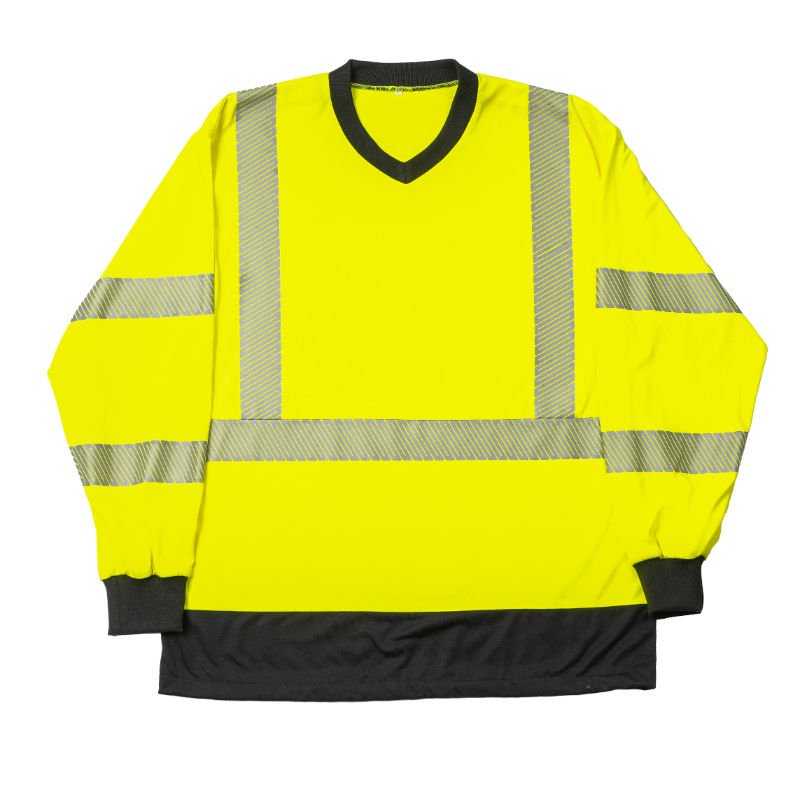
What Underlayers Pair Best with FR Shirts with Moisture Wicking?
Employees in fields like construction, manufacturing, and electrical work that are high-risk depend on moisture-wicking FR shirts to keep safe and comfortable throughout long shifts. These shirts are great at pulling moisture away and providing flame resistance, but the right base layers can optimize their performance. The wrong base layers will most likely negate the moisture-wicking abilities of the FR moisture-wicking shirts, and possibly even affect their flame-resistance. This blog will analyze the best under layers to use with moisture-wicking FR shirts to guarantee that employees can maximize the benefits of their protective clothing, no matter the environment in which they are working.
FR-Compatible Moisture Wicking Base Layers - A Great Choice
FR-compatible moisture wicking base layers are the best underlayers for FR shirts. These layers are designed to work alongside FR shirts with moisture wicking. Together they form a two-step moisture management system. The base layer pulls moisture from the skin and then passes it to the outer FR shirt with moisture wicking for quick evaporation. Consider base layers that use synthetic blends like polyester or nylon mixed with FR fibers. These materials do not react with the FR components of the outer shirt. Choose a slim-fit base layer that closely hugs the skin but doesn't restrict movement. This is so that contact with the skin is maximized for moisture transfer. Stay away from loose fitting FR-compatible base layers. They form pockets of air that trap moisture between the layers, and, in turn, reduce the effectiveness of the base layer and the FR shirt with moisture wicking.
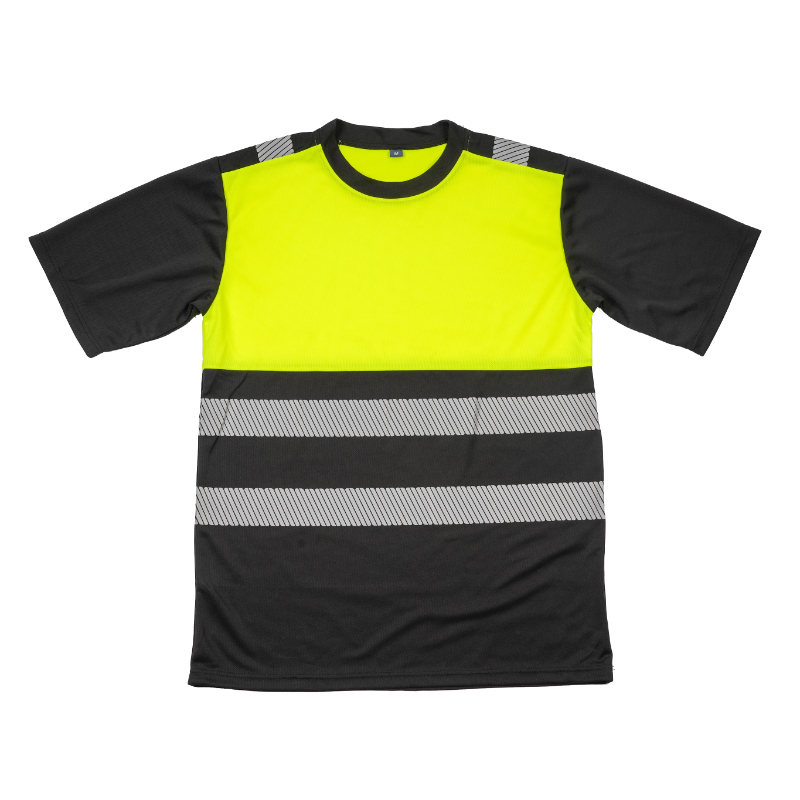
Merino Wool Blends: An Alternative to FR Moisture Wicking Shirts
For those who work in the field and prefer natural fabrics, merino wool blends that are FR-treated are ideal as underlayers for FR shirts with moisture wicking. Merino wool absorbs moisture and then wicks sweat out to the outer FR shirt with moisture wicking, removing moisture from the skin. It will also help with long shifts as merino wool reduces body odors. Merino wool blends that have not been treated as pure merino wool will not be flame resistant, which will put the safety of the moisture wicking FR shirt at risk. Merino blends are perfect for cooler environments, as merino wool is highly insulating. Ensure the blend has a small percentage of synthetic fibers to enhance moisture transfer and will be more outer FR shirt with moisture wicking compatible.
Avoiding the Wrong Underlayers with FR Shirts with Moisture Wicking
Knowing the right underlayers to wear is as important as knowing the underlayers to avoid with FR shirts with moisture wicking. When it comes to underlayers, stay away from cotton. Cotton absorbs moisture, and once it gets trapped against the skin, it makes the FR shirt with moisture wicking work harder to keep you dry. This will cause discomfort, and in cool weather, puts the worker at greater risk of developing hypothermia. Also, avoid non-FR synthetic underlayers, as they will cause more severe burns if you catch fire. In addition, synthetic fabrics will ruin the FR shirt as they will melt onto it. Bulky and thick underlayers will decrease airflow, and your body will overheat, creating more perspiration that the moisture wicking FR shirt will struggle to handle.
Choosing Base Layers for Different Work Situations for Moisture-Wicking FR Shirts
Different work situations require different base layers for moisture-wicking FR shirts. In hot and humid conditions, a thin, lightweight FR-compatible moisture-wicking base layer will do best. It offers little insulation but maximizes moisture transportation to the outer layers. For cool or windy conditions, a medium-weight merino wool FR blend underlayer works best since it offers additional warmth, and still manages moisture, so the moisture-wicking FR shirt will work in unison to keep the worker dry and cozy. In extreme cold, a two-layer under system can be used: a thin moisture-wicking base layer next to the skin, followed by a slightly thicker FR-insulating layer, both under the FR shirt with moisture-wicking. Ensure the total underlayer thickness does not make the FR shirt with moisture-wicking too tight, as this can restrict movement and air flow.
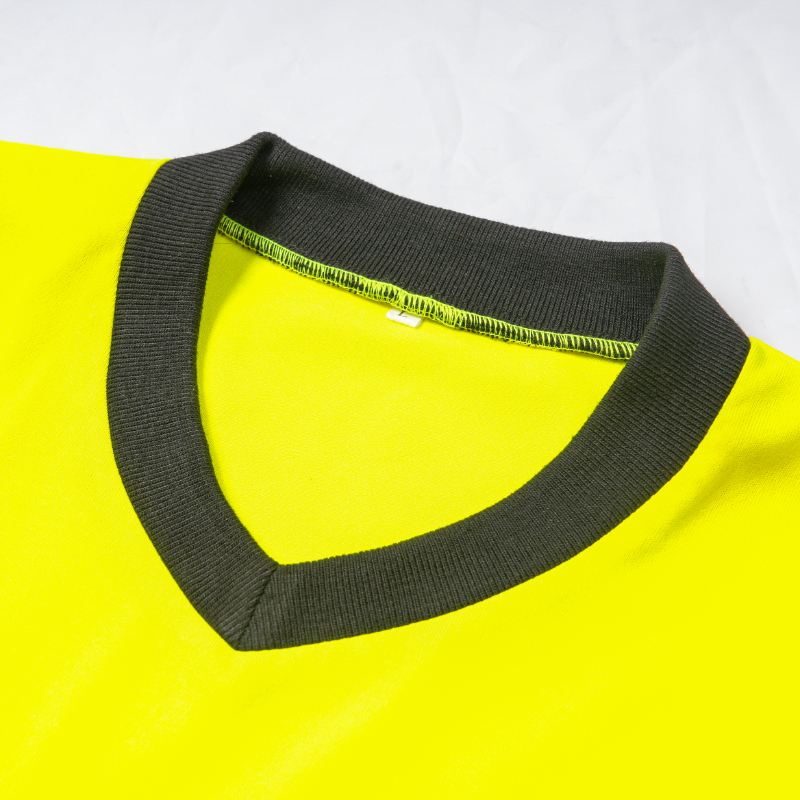
Maintaining Moisture Wicking Functionality with Care for Underlayers
To ensure moisture-wicking functionality and the right moisture wicking compatibility with FR shirts, proper care for underlayers is necessary. Underlayers should be washed in the same manner as FR shirts with moisture wicking, which includes washing in cold or warm water with mild, fragrance-free, and unsoiled detergent. Avoid using bleach, dryer sheets, and fabric softeners as they leave residues that clog moisture wicking pores. Tumble dry on low heat or air dry to prevent shrinkage and damage to FR treatments. Underlayers should be checked routinely to see if they show signs of wear and tear. Frayed or worn FR treatments indicate that the underlayers need to be replaced as they are far more deteriorated than that they are the FR shirts with moisture wicking. Underlayers and FR shirts with moisture wicking should be stored separately but in the same cool, dry area to prevent mildew and protect their refined attributes.
![Best Underlayers for Moisture-Wicking FR Shirts [Guide]](https://shopcdnalpha.grainajz.com/category/18993/4129/d3ddc34beea51e36092b055e68e60567/%E4%BC%81%E4%B8%9A%E5%BE%AE%E4%BF%A1%E6%88%AA%E5%9B%BE_17863402894309.png)
 REQUEST AN ESTIMATE
 Home
Home