
 High Visibility Clothes
 EN
EN
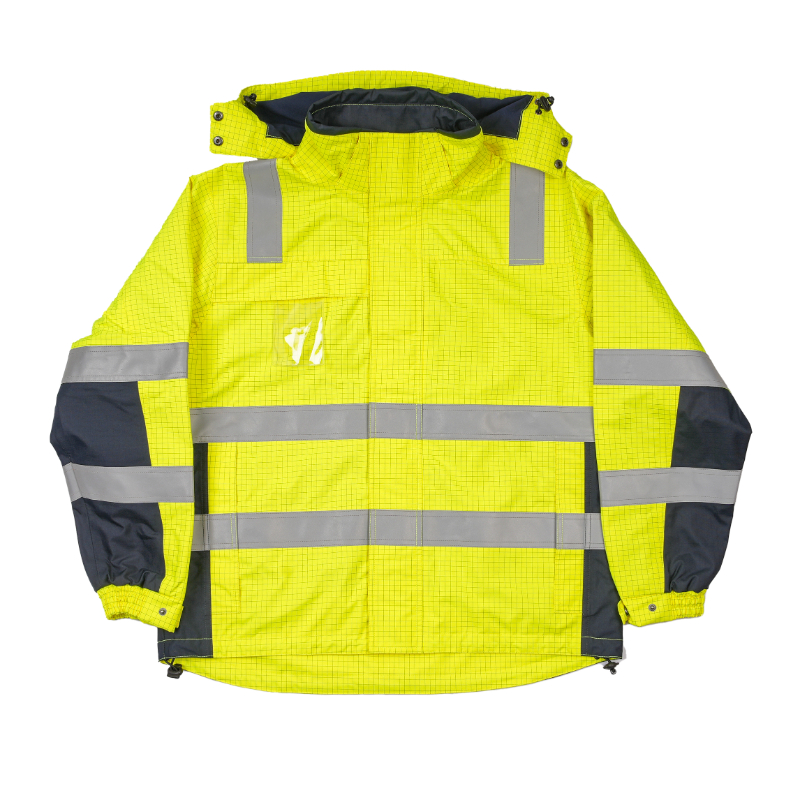
What to Do If Water Leaks Through Water-Resistant Outdoor Clothing?
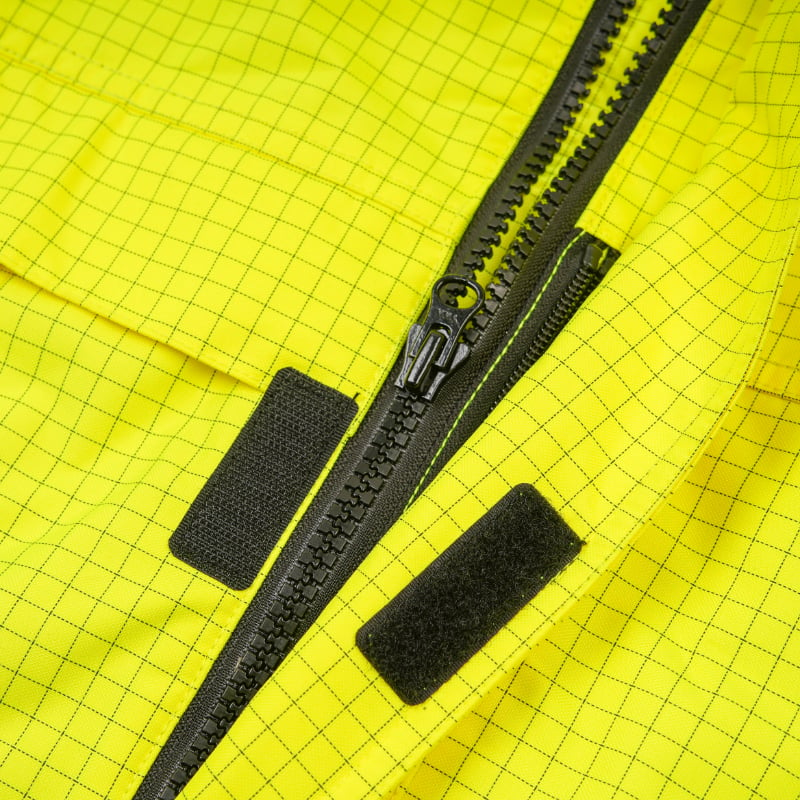
It's annoying when you're hiking or doing any other outdoor activity and water starts leaking into your water-resistant outdoor clothing. It can even be dangerous if it's cold or windy. Water-resistant clothing is supposed to repel water and moisture but it will sometimes leak. It could be because of wear and tear, or because it simply is not designed to repel moisture for long periods. Whatever the reason, you should act promptly to resolve the problem. Whether you are working outside, hiking, or camping, it's important and makes a difference if you know to deal with leaks in your water-resistant outdoor clothing. Let's look at some practical steps to take when your water-resistant outdoor clothing is not doing its job of keeping water out.
Staying Dry in the Rain: Emergency Steps
Once you start feeling excessive moisture on your skin or start feeling cold, you must act fast and address the problem even if only temporarily. For example, if you can find temporary shelter, you can grab a couple branches of a tree or any shallow gully or any large rock that can provide a bit of overhead shelter. When you find any of these, try to get to shelter and stop your exposure. When you get to the shelter, bring out a little cloth to dry the outside of the soaked clothing or padding. Try to dry them instead of removing them if you have spare layers without moisture. Removing them can increase your risk of exposure. If the moisture on the outside is not too high, you can add repair patches. Waterproof patches or tape can stop moisture from getting to the clothing you are wearing.
Identify Why Outdoor Gear is Leaking
Once the situation is controlled, determining the reason as to why the water resistant gear is leaking needs to be prioritized. For this, a good inspection of the fabric and the seams is the best starting point. Inspect the fabric for wear patterns, tears, holes and fraying as these are the probable causes of water leakage. Inspect and wear seams closely as the shoulders, elbows, cuffs and hems are common areas of wear and may warrant more inspection. Seams are vital areas, too: water can easily leak through seams, especially if the seam tape is peeling, cracked, or missing. Another leakage area is the fabric. The water-repellant coating may have worn off. If this is the case, water will sink into the fabric rather than bead on the surface. To check, wet a dry area of the water resistant gear and see if the water soaks in. Other leakage causes may include dirt, oil, or detergent residue on the coating.
Different Repair Methods for Different Leaks
The kind of leak you have will determine how you fix your water-resistant outerwear. For little tears and holes (under 2 centimeters), a repair fabric patch for outdoor clothing will do. Clean the area around the leak with soap and water, dry it thoroughly, then peel the patch backing, and press it onto the damaged area. Make sure to smooth out any air bubbles. For leaks in the seams, it will be necessary to reapply either seam tape or use a seam sealant. Take a sharp knife or scissors and remove any old, peeling tape. Then, clean the seam with rubbing alcohol. Apply a thin coat of seam sealant along the seam and let it dry for the time stated on the label. Restore any worn-out water-repellent coating by using a waterproofing spray or wash-in waterproofing agent. These products have specific instructions, and it is important to follow them. For the spray type, hang the water-resistant outerwear and spray the agent evenly on all surfaces, then dry in a well-ventilated area. For wash-in agents, use them during a gentle cycle in the washing machine and air-dry the clothing afterward.
When washing your clothes, never use bleach or fabric softeners because they can ruin the coating.
Steps to Prevent Future Leaks
To stop leaks from happening on your water-resistant outdoor clothes, you have to maintain and care for your clothes properly. Always check the care instructions. Most water-resistant outdoor clothing can be washed in cold water with a mild detergent made for outdoor clothes and should be allowed to air dry. Normal laundry detergent should be avoided because it leaves a residue that can break down the water-repellent coating. Avoid the dryer, as your clothing can get too hot and ruin the fabric and coating. Make sure you store it in a cool dry area, away from sunlight and heat, as well as tightly folding it to avoid fabric creases and weak seams. After every 3-5 washes or when water doesn't bead up, reapply the water-repellent coating. Lastly, remember that water-resistant clothing is designed for light to moderate rain, not heavy downpours or prolonged submersion.
When to Replace Your Water-Resistant Outdoor Clothing
Sometimes, replacing your water-resistant outdoor clothing is the best option. It’s time for new gear if the fabric is severely damaged. Rips, tears, holes, and seams that can’t be repaired are all signs. When the water-resistant coating is re-applied multiple times, and the fabric is still soaking ground, it’s a sign the base fabric is degraded and it is time to replace your gear. Other signs of replaced gear are overly stiff, really faded, or just uncomfortable clothing. Rest assured that you are safety and comfortable outdoors to focus on the important things.
![Water Leaking Through Waterproof Gear? Fix It Fast [Guide]](https://shopcdnalpha.grainajz.com/category/18993/4129/d3ddc34beea51e36092b055e68e60567/%E4%BC%81%E4%B8%9A%E5%BE%AE%E4%BF%A1%E6%88%AA%E5%9B%BE_17863402894309.png)
 REQUEST AN ESTIMATE
 Home
Home