
 High Visibility Clothes
 EN
EN
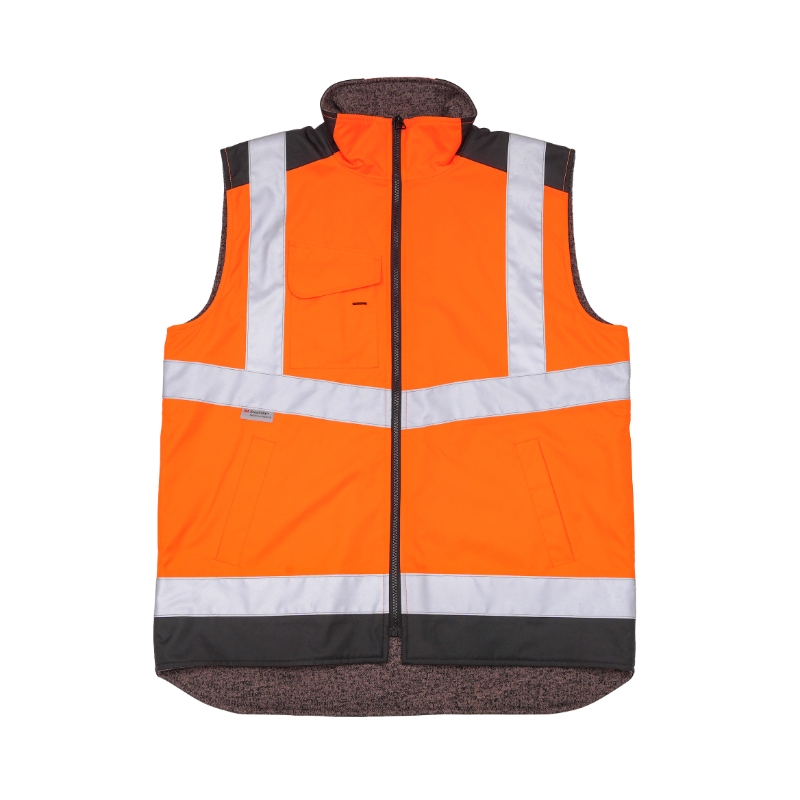
What Lighting Conditions Require Wearing Reflective Safety Workwear?
Reflective safety clothing is essential for protecting workers in low-visibility situations. It is crucial to understand which situations demand the right kind of clothing, in order to avoid accidents. Whether you are working on a construction site, doing road maintenance, in a warehouse, or providing municipal services, knowing the right lighting conditions is key. Most workplace accidents are the result of workers not being visible to vehicle drivers, machine operators, or peers in low-light situations. This post outlines the lighting situations that require the use of reflective safety clothing to ensure that you and your crew are safe on every job.
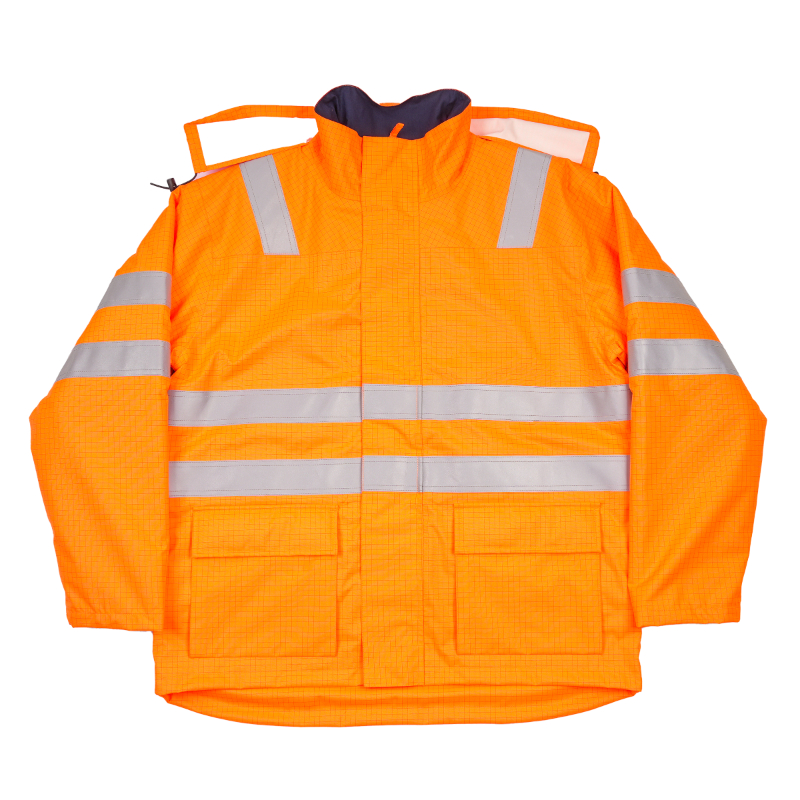
Dawn and Dusk with Fading or Rising Natural Light
Fading natural light at dawn and dusk makes these times a high risk for outdoor workers as they are a risk for outdoor. This is even more so for workers who don’t take the proper precautions and wear reflective safety workwear. When the sun is just rising, natural light is weak. Long shadows are cast over work areas and darkness can make workers movement almost invisible. Darkness is not the only concern as light is shifting, which can temporarily blind workers. When workers are doing tasks such as road construction and maintenance on municipal gardens, they are risking getting run over by a vehicle or piece of construction equipment. This is especially so when the sky is almost black. To mitigate this, reflective safety workwear mirrors light from headlamps, which makes the workers even more noticeable. There is a misconception that if it is light enough to see, no reflective safety equipment is needed. However, the dawn and dusk hours are so low in contrast, the reflective safety workwear is essential.
Complete Darkness at Night
Total absence of light at night signifies the need for reflective safety work wear. After sunset, natural light is fully gone, and even artificial lighting is insufficient. Night operations workers, such as night time traffic controllers, late-night warehouse workers, and overnight construction personnel, rely on reflective safety work wear for visibility. In the absence of light, vehicles and heavy machinery workers do not see other workers until it is too late, especially on unlit or poorly lit job sites. The reflective strips on the safety apparel vests, jackets and pants deflect light from vehicles and flashlights, and work lamps to create a clear visual signal warning others of a worker’s presence. For example, a worker at a road maintenance crew fixing potholes at night to be seen by passing cars and a warehouse worker moving pallets after dark to avoid collisions with forklifts need reflective safety work wear. The absence of this work wear puts workers at a heightened risk.
Overcast, Cloudy, or Foggy Days
Overcast, cloudy, and foggy conditions reduce daylight, making it necessary to wear reflective safety clothing even during the day. When there is a thick cloud cover, sunlight is blocked, and the entire scene becomes dim. It becomes more difficult to discern contrasts between a worker and their surroundings. Workers can easily become camouflaged and overlooked against the gray construction sites or the black surface of roads. Fog conditions heighten this risk because it scatters light and decreases visibility. A fog-bound driver or machine operator may only clearly see a distant worker several meters away, leaving no time to respond. For this reason, construction, road maintenance, and municipal cleaning workers should wear reflective safety clothing even during cloudy days. The reflective material can help workers be seen from a safe distance and help reduce the dangers of fog, low light, and overcast conditions.
Rain, snow, or storms make the ground wet, slippery, and hazardous. They also make visibility much lower. This is why workers need reflective safety clothing. Rainwater and snow can obscure light, and snow is also bright and blurry. Storms can have dark and low-hanging clouds which cover the sun in the middle of the day. This makes it very hard to see. Regular work clothing becomes soaked and dark which makes it even more difficult to see. A construction worker in a rainstorm may not be very visible to a passing delivery truck driver. A worker in a warehouse who is loading goods in a snowstorm also needs reflective work clothing so he can be seen in the bright white snow. This type of work clothing is very crucial in wet weather. Wearing this work clothing during rain, snow, or storms helps keep workers visible and reduces the risk of accidents.
Use of Reflective Safety Work Wear Indoors
When we think of where reflective safety work wear is required, we think of it primarily as an outdoor requirement. This is not the case, as reflective safety work wear is also appropriate for use in indoor low-light work areas. These include warehouses, large storage facilities, and even construction sites. Such facilities also have poorly lit corners, under construction areas, and loading docks. In these spaces, machinery like fork lift trucks and cranes may be operated and also, workers in these areas may be missed. For instance, a warehouse worker who is organizing inventory in a poorly lit corner may require reflective safety work wear in order for a fork lift operator to see him as he is moving goods. In indoor spaces, even where light is available, visibility may be compromised by shadows and large equipment, making the use of reflective safety work wear of utmost importance. This is why safe work wear and reflective materials are necessities endorsed by suppliers who are concerned with increasing visibility both outdoors and in low-light interiors. In case of low visibility situations, it is a requirement for understaffed employers to ensure work wear is safe and reflective in order to increase the safety of workers and improve visibility.
![When to Wear Reflective Safety Workwear in Low Light [Guide]](https://shopcdnalpha.grainajz.com/category/18993/4129/d3ddc34beea51e36092b055e68e60567/%E4%BC%81%E4%B8%9A%E5%BE%AE%E4%BF%A1%E6%88%AA%E5%9B%BE_17863402894309.png)
 REQUEST AN ESTIMATE
 Home
Home