
 High Visibility Clothes
 EN
EN
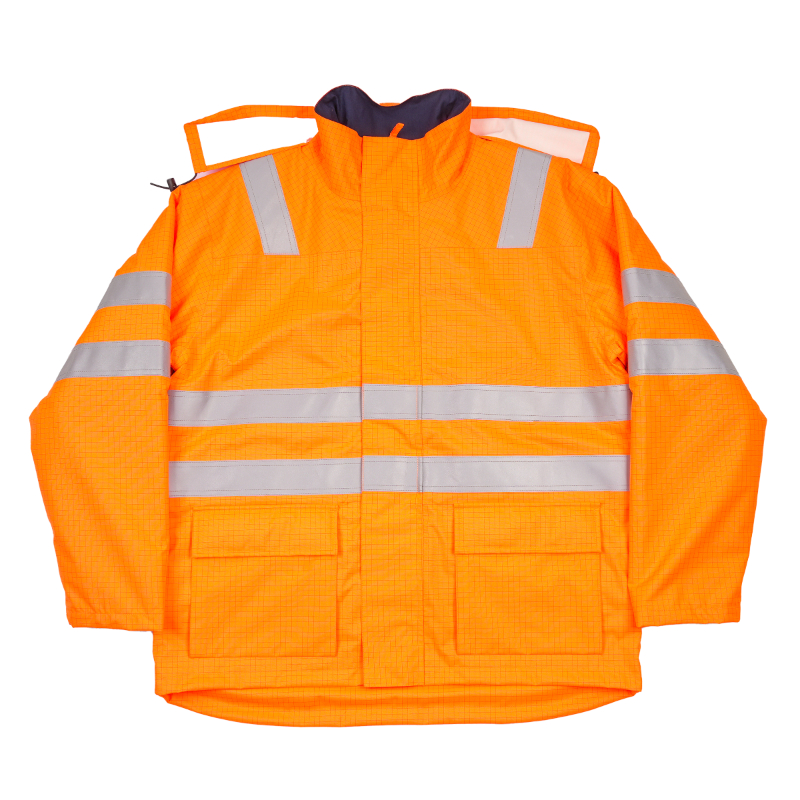
What Checks Are Necessary for Electrician FR Kit Before Each Shift?
Electricians work in environments where there is danger of electrical arcs, flames, and other hazards. Before each shift, the electrician FR kit (flame-resistant kit) must be checked. This is to ensure the kit is in optimal condition to avoid injuries and fatalities. Below are the checks every electrician should perform on their FR kits.
Check the Integrity of the Flame-Resistant Fabrics
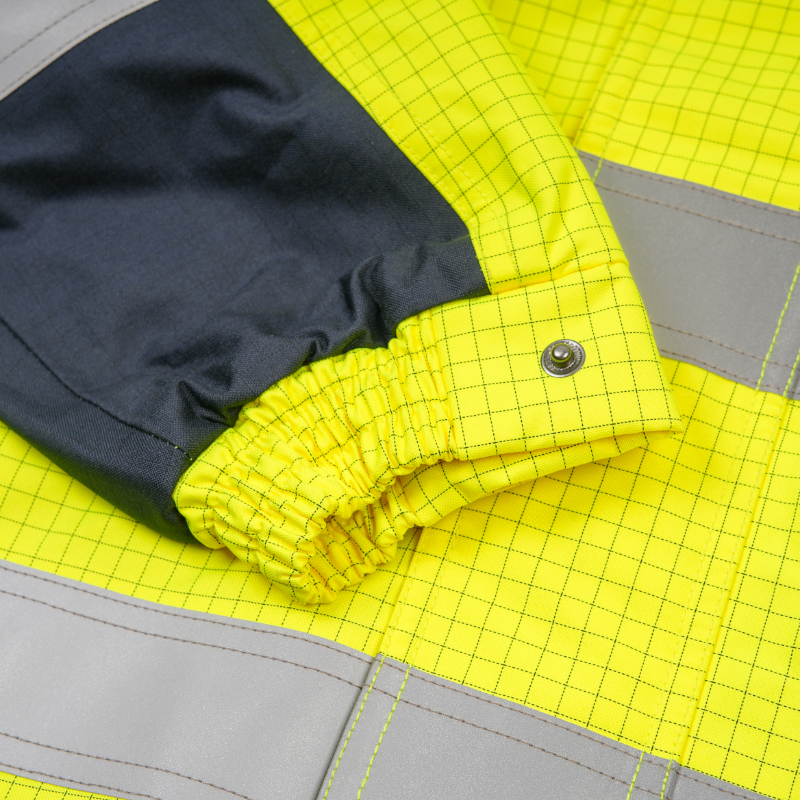
The most important component of any FR kit is the flame-resistant fabric. With time and use, washing, and wearing the kit, the fabric’s protective properties can be compromised. Start with the inspection of the FRs shirts, pants, and jackets. Check for any sign of neglect on the kits. Check for any tears, rips, and holes. Even the tiniest of holes can increase the risks of the fabric flame resistance and heat resistance. Pay closer attention to the elbows, knees, cuffs, and collars as those areas are high-wear areas and are more likely to stretched and damaged.
Next, assess for fading or discoloration. Some fading will occur for fabric after washing, but excessive fading may mean that the flame-resistant treatment of the fabric has weakened. Stiffness or brittleness of the fabric may also show signs of wear that will weaken the protective capabilities of the fabric. If any part of the fabric has any of these problems, that part must be removed from the electrician’s FR kit and replaced with a new, certified FR garment. Fabrics that are part of a reliable electrician FR kit must meet international standards like EN ISO 20471 or ANSI/ISEA 107.
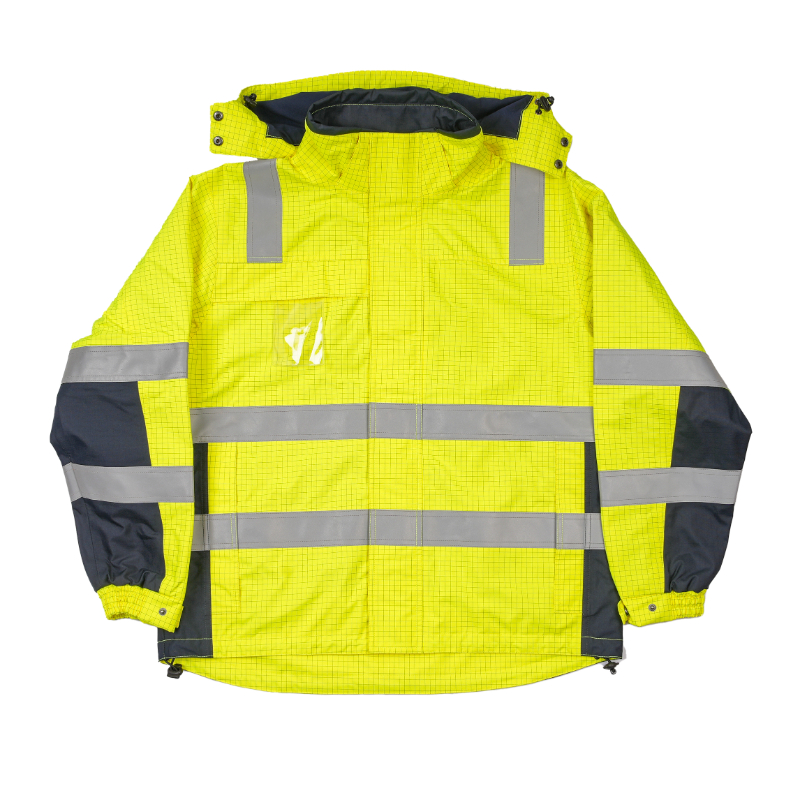
Inspect FR Accessories and Reflective Elements
Reflective elements are included in many electrician FR kits to improve visibility especially while working in low-light situations or near traffic. These parts are as important as the FR fabric and must be inspected with the same caution. Begin with the reflective tapes or strips of the FR garments. Check for peeling, cracking, or missing parts. Any reflective material that is damaged will greatly reduce visibility and increase the risk of the electrician getting struck by vehicles or machinery.
For the reflective elements on uniforms, make sure to review the other components of the electrician FR kit which include the FR gloves, safety glasses, and hard hats. With the FR gloves, look for signs of holes, fraying, or loss of pliability as damaged gloves will not defend against electrical shocks or burns. Safety glasses should not have scratches or cracks and should not impair vision. The hard hats should not have any dents, cracks, or other signs of impact damage. Remember, a hard hat that is dented or damaged will not protect against a fall or an object strike. All safety accessories are fundamental components of the electrician FR kit and must be maintained the day of each shift.
Fit and Comfort Should Be Checked Carefully
Fit and comfort are important because both safety and productivity depend on how electricians FR gear fits. If FR garments are too loose, they can leave gaps and expose skin to risks, and if they are too tight, they can restrict movement and cause injuries. Therefore, before each shift, you should try on your FR clothing to check how well each piece fits. Eg. Shirts and pants should allow you to reach, bend, and even climb. You should not feel constricted. However, too loose garments are not recommended either. Fabrics that are too loose can cause accidents (getting pulled into machinery) or catch fires (flames can touch loose fabrics and ignite).
Closures also need to be checked. Eg. Zippers need to slide fast, not get stuck, and Velcro need to fasten and unfasten easily. Zippers, buttons, and Velcro should all be secure and function painlessly. If not, they can cause garments to open unpredictedly, which can expose skin to risks. Having an uncomfortable FR clothing can also impact safety because you will be tempted to adjust it frequently. A proper fitting and comfortable FR kit enables electricians to stay focused on the job.
Ensure Safety Standards are Met
Every FR kit for electricians is required to adhere to several safety procedures in order to guarantee adequate protection. Before every shift starts, verify that every item in the kit is certified to meet relevant international standards. Check for tags that show compliance to standards like EN ISO 20471 for high visibility clothing, or ANSI/ISEA 107 for flame resistant and high visibility workwear. These international standards guarantee testing and compliance in flame resistance, heat protection and visibility of the clothing.
If any item in the electricians FR kit has no certification, or if the certification is too old and faded, do not use that item. Using non-compliant FR gear is severely unsafe and will not protect the user in dangerous situations. Also, verify if the kit has any items that have passed their expiration dates. Some FR materials or accessories do have expiration dates, for example certain gloves or safety glasses. Expired items should be replaced to guarantee the electrician FR kit compliance and effectiveness.
Document the Checks and Address Issues Promptly
For safety standards to be effective, checks on the electrician FR kit need to be recorded. Simple log will do. Only the date, time, and specific details of your check should be recorded along with any problems encountered and resolutions. This log is value added because it can be used to monitor the condition of the kit over time and it serves as proof of completion of safety standards in case your logs are requested in an audit.
If problems like damaged fabric, faulty reflective components, or poor fit of the clothing are noted in the check, the problems should be rectified prior to the start of the shift. There should never be a compromised electrician FR kit on the start of a shift. Damaged items should be replaced with new 'certified' ones, and the fit of the clothes should be altered if it's within reach. This is the right thing to do to guarantee the electrician FR kit is in best condition at all times and will provide the protection desired to guarantee a safe work day.
![Electrician FR Kit Checks Before Each Shift [Checklist]](https://shopcdnalpha.grainajz.com/category/18993/4129/d3ddc34beea51e36092b055e68e60567/%E4%BC%81%E4%B8%9A%E5%BE%AE%E4%BF%A1%E6%88%AA%E5%9B%BE_17863402894309.png)
 REQUEST AN ESTIMATE
 Home
Home