
 High Visibility Clothes
 EN
EN
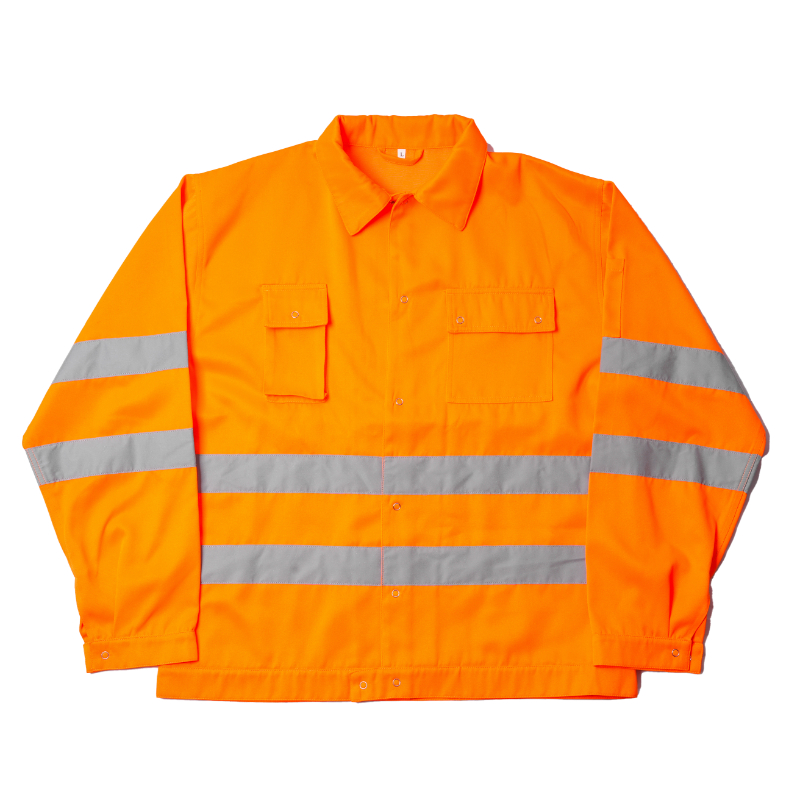
Wash FR Shirts with Moisture Wicking in Cold Water to Preserve Function.
FR shirts with moisture wicking are necessary for employees in high risk industries. They provide flame resistance and manage body sweat to keep users safe and comfortable. However, many employees do not consider the washing methods for these shirts. Washing with hot water and improper washing techniques can remove the shirts' fabric flame resistance, moisture wicking, and can even shorten the shirts lifespan, affecting the level of safety. To keep the shirts flame resistance and moisture wicking, one should wash these shirts in cold water. This blog details the benefits of washing in cold water and the best methods to wash these shirts while preserving their functionality.
Why Cold Water Protects FR Treatments in FR Shirts with Moisture Wicking
FR shirts with moisture wicking contain inherently FR fibers or FR flame resistant chemically treated fibers. Using hot water will lead to the breakdown of these components and the shirt will lose some or all of its flame resistant capabilities. Using cold water helps retain the effectiveness of flame resistant shirts after multiple washes. Cold water is the safest option for washing shirts with inherently FR fibers which are more durable. Hot water washing will lead to the overheating of fibers, causing them to shrink, weaken, and negatively impact the shirts’ fit and structure. For chemically treated FR shirts, cold water washing helps prevent leaching of the FR chemicals. This is essential since compromised FR retained properties will expose workers to fire hazard risks. Cold water will maintain the compliance of FR shirts with moisture wicking to safety regulations for laundering processes.
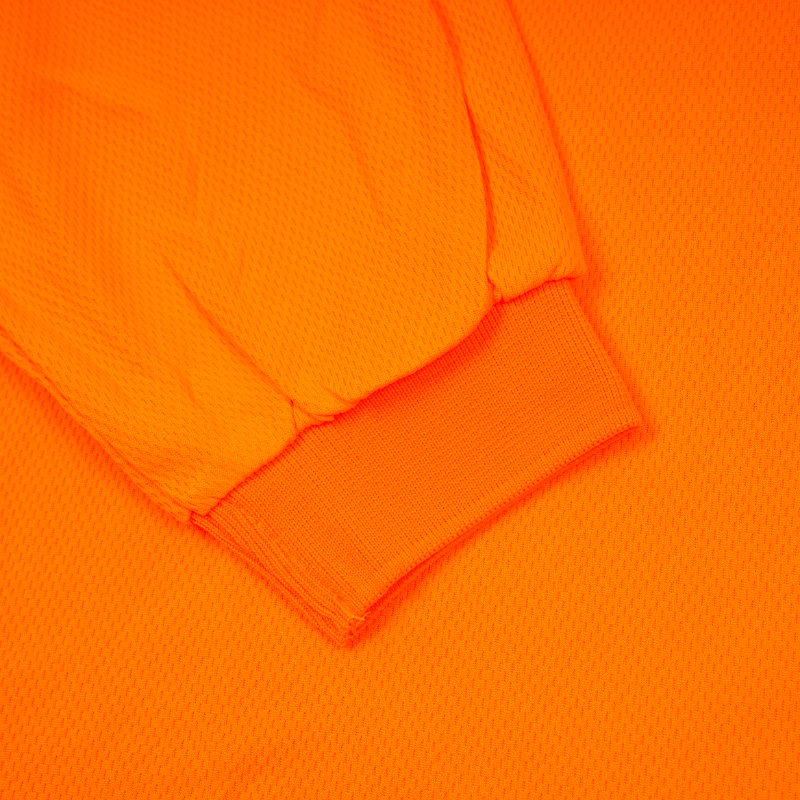
Preserving Moisture Wick Performance
The moisture-wicking performance of fabric rests on its engineered structure, which incorporates tiny capillaries that extract sweat from the skin. Using hot water can ruin that structure, as the fibers swell or clump together, which closes off the capillaries and inhibits sweat transfer. Cold water will keep the fibers in their original state and maintain the capillary action needed for the shirts to perform. Moreover, hot water tends to set in stains, particularly sweat and oil stains, which also contribute to clogging the moisture-wicking pores. Cold water helps keep the fabric pores open and unstained by lifting dirt and stains gently without setting them. Workers who wash FR shirts with moisture-wicking in cold water will notice consistent sweat management, even after many washes, compared to those using hot water.
Proper Steps for Washing FR Moisture Wicking Shirts in Cold Water
It takes more than just turning on the faucet to cold to wash FR shirts with moisture wicking in cold water. For the best results, first sort the shirts by color to prevent any possible dye bleeding since cold water can make dye less stable. Next, pre-treat any tough stains with a mild, FR-safe stain remover. Do not use harsh chemicals, though, as these will damage the FR and moisture wicking properties. Use a gentle, fragrance-free detergent! Remember, it is also a must to skip fabric softeners and bleach as they leave moisture wicking and FR treatment breaking down. Wash the shirts with cold water garments (30°C or below) on a delicate or normal cycle. Do not overload the washing machine, or your shirt may not wash properly and friction damage may occur. After washing, avoid stressing the fibers and skip the spin cycle altogether, or use a low-speed spin.
Drying and Post-Wash Care for FR Shirts with Wicking Technology
Drying your FR shirts with wicking technology helps maintain their quality if cold water washing is also done. Tumble drying shirts on high heat is as damaging as washing on hot water. To prevent damage, air dry your shirts or use low heat. High temperatures may also cause the fabric to shrink, synthetic fibers to melt, and FR treatments to degrade. Hang your shirts on a clothesline or drying rack to dry in a cool, shaded, and well-ventilated area away from the sun. Avoid exposing the shirts to sunlight as it fades colors and weakens the fabric fibers over time. Do not wring the shirts to remove water, as this may stretch the fabric and damage the moisture wicking structure. After drying, check the shirts for your remaining stains or damage. Fold or hang dry shirts to mid closets. To prevent mildew from forming on moisture wicking fabric, avoid storing damp FR shirts. Regular inspections after washing help catch issues early, ensuring the shirts stay functional.
Washing FR Shirts with Moisture Wicking: Mistakes to Steer Clear Of
Washing FR shirts with moisture wicking means avoiding some mistakes, even when using cold water. One common mistake comes from using regular, untarred detergents with fragrances or enzymes; these additives remain and clog moisture wicking pores. Moisture wicking FR shirts are risky to wash with non-FR clothes because non-FR clothes might transfer residues that impede the FR capabilities. Washing an item too frequently is also a common mistake; only wash an FR shirt when it is visibly soiled or sweaty to avoid the accelerated wear that comes with frequent washing. To combat the static cling, some staff use dryer sheets; these sheets exacerbate the static cling and leave a waxy film that eliminates moisture wicking. Lastly, high-temperature ironing can remove FR treatments: If an FR label area needs ironing, use the lowest setting and avoid direct contact, especially with FR-labeled areas. Following these steps will guarantee the maximum benefits of washing with cold water.

 REQUEST AN ESTIMATE
 Home
Home