
 High Visibility Clothes
 EN
EN
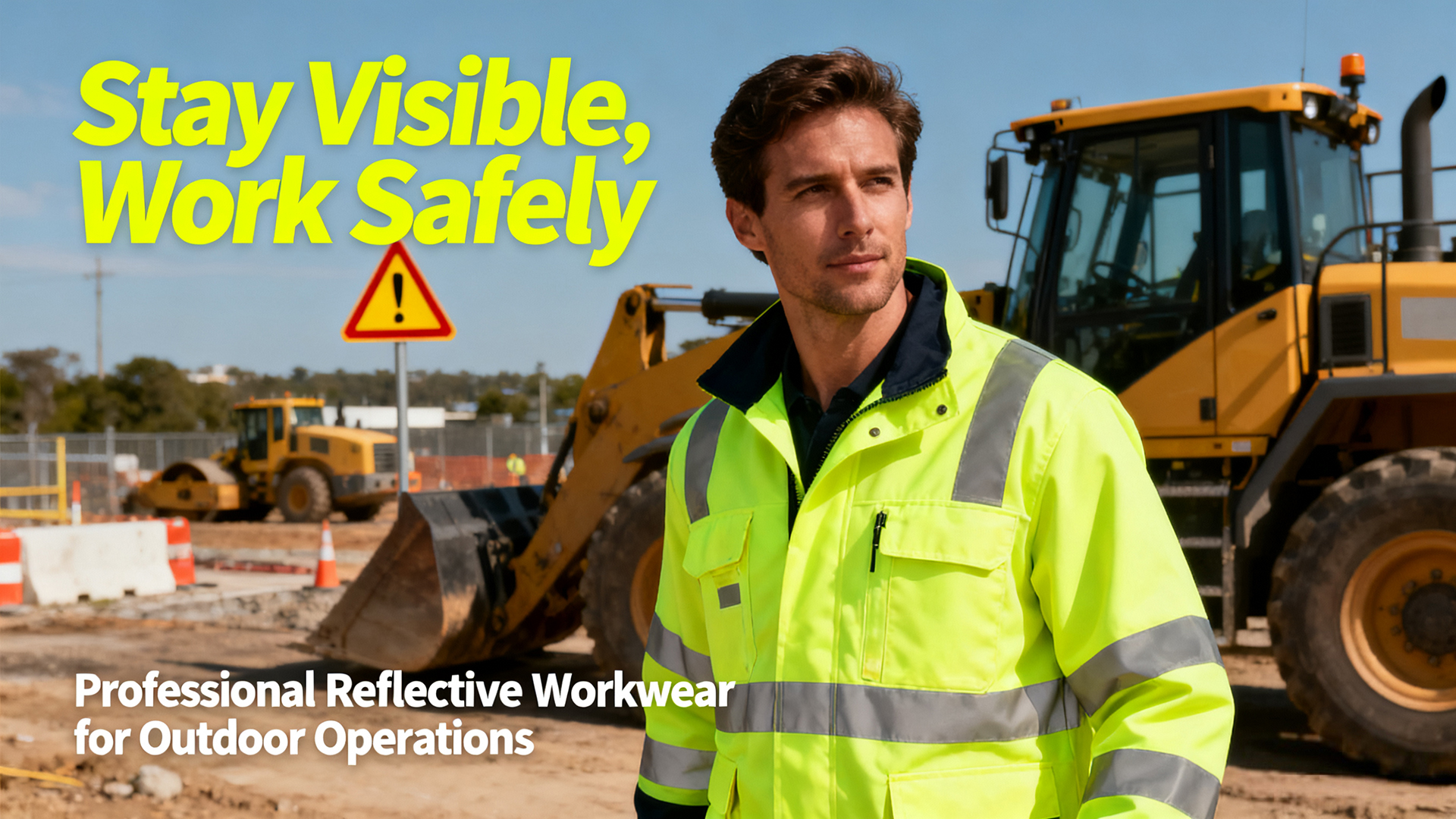
The Global Hi-Vis Market: Key Trends and Opportunities for Safety Apparel in 2024 and Beyond
Introduction
The global market for high-visibility and protective workwear is experiencing robust growth, driven by stringent government regulations, a resurgent construction industry, and a fundamental corporate shift towards prioritizing worker safety. However, beneath this macro trend lies a dynamic landscape shaped by new demands for sustainability, smart technology, and specialized applications. For businesses operating in or entering this space, understanding these key trends is essential for strategic sourcing and product development. This article explores the forces shaping the future of the high-visibility apparel industry.
The Driving Forces: Regulation and Infrastructure
The primary engine of the hi-vis market remains regulation. Governments worldwide continue to strengthen occupational safety and health (OSH) laws, making certified PPE mandatory across sectors like construction, oil & gas, logistics, and utilities. Furthermore, massive global investment in infrastructure projects—from new highways and railways to renewable energy installations—is creating sustained demand for high-quality, durable safety wear. This is particularly pronounced in emerging economies where rapid industrialization is coupled with the formalization of safety protocols.
Trend 1: The Unstoppable Rise of Sustainability
The "green" revolution has firmly reached the workwear sector. Corporate Social Responsibility (CSR) mandates and growing end-user awareness are pushing manufacturers to adopt eco-friendly practices. This trend manifests in several ways:
- Recycled Materials: A significant shift towards using recycled polyester (rPET) made from post-consumer plastic bottles is underway. This material performs identically to virgin polyester but with a drastically lower carbon and water footprint.
- Circular Economy: Brands are exploring take-back programs where end-of-life garments are recycled into new fibers or products, reducing landfill waste.
- Eco-Certifications: Look for an increasing demand for bluesign® or OEKO-TEX® certifications, which guarantee that textiles are produced with minimal environmental impact and are free from harmful substances.
Trend 2: The Integration of Smart Technology and Wearables
The fusion of textiles and technology, known as "weartech," is creating the next generation of smart PPE. High-visibility clothing is becoming a platform for connectivity and data.
- Heated Gear: Battery-operated heated jackets and vests are becoming common in cold storage and winter construction, improving worker comfort and preventing cold-stress injuries.
- Connected Safety: Garments are being integrated with sensors that can monitor a worker's vital signs, detect falls, or send man-down alerts. Proximity sensors can also warn wearers when they are too close to dangerous machinery or vehicles.
- Illuminated Clothing: Beyond reflective tape, we are seeing the integration of LED lighting directly into fabrics, offering an active light source that is far more visible than passive reflection and can be used to signal or communicate.
Trend 3: Specialization and Enhanced Comfort
The one-size-fits-all approach is obsolete. The market is segmenting into specialized garments for specific trades and environments.
- Arc Flash Protection: For electrical workers, hi-vis clothing is being combined with inherent arc-rated (AR) fabrics for multi-hazard protection.
- Flame-Resistant (FR) Integration: In the oil, gas, and chemical industries, hi-vis is a standard component of FR uniforms.
- Lightweight and Ergonomic Designs: Recognizing that workers wear this gear for 8-12 hours a day, manufacturers are focusing on ergonomic patterning, articulated joints, and lighter-weight materials that allow for a full range of motion without compromising durability.
Identifying Opportunities
For distributors and procurement managers, these trends present clear opportunities:
- Diversify Your Portfolio: Stock a range of products from basic compliant vests to advanced sustainable and smart garments.
- Ask the Right Questions: Vet your suppliers on their sustainability credentials and their R&D pipeline for new technologies.
- Focus on Niche Markets: Consider specializing in supplying high-performance gear for specific high-growth sectors like renewable energy or data center construction.
Conclusion
The high-visibility apparel market is vibrant and full of potential. Success will belong to those who view it not as a commodity business, but as a value-driven industry where innovation, responsibility, and specialization are the keys to growth. Partnering with a forward-thinking manufacturer who is ahead of these curves will ensure your business is well-positioned to capitalize on the opportunities of tomorrow.

 REQUEST AN ESTIMATE
 Home
Home