
 High Visibility Clothes
 EN
EN
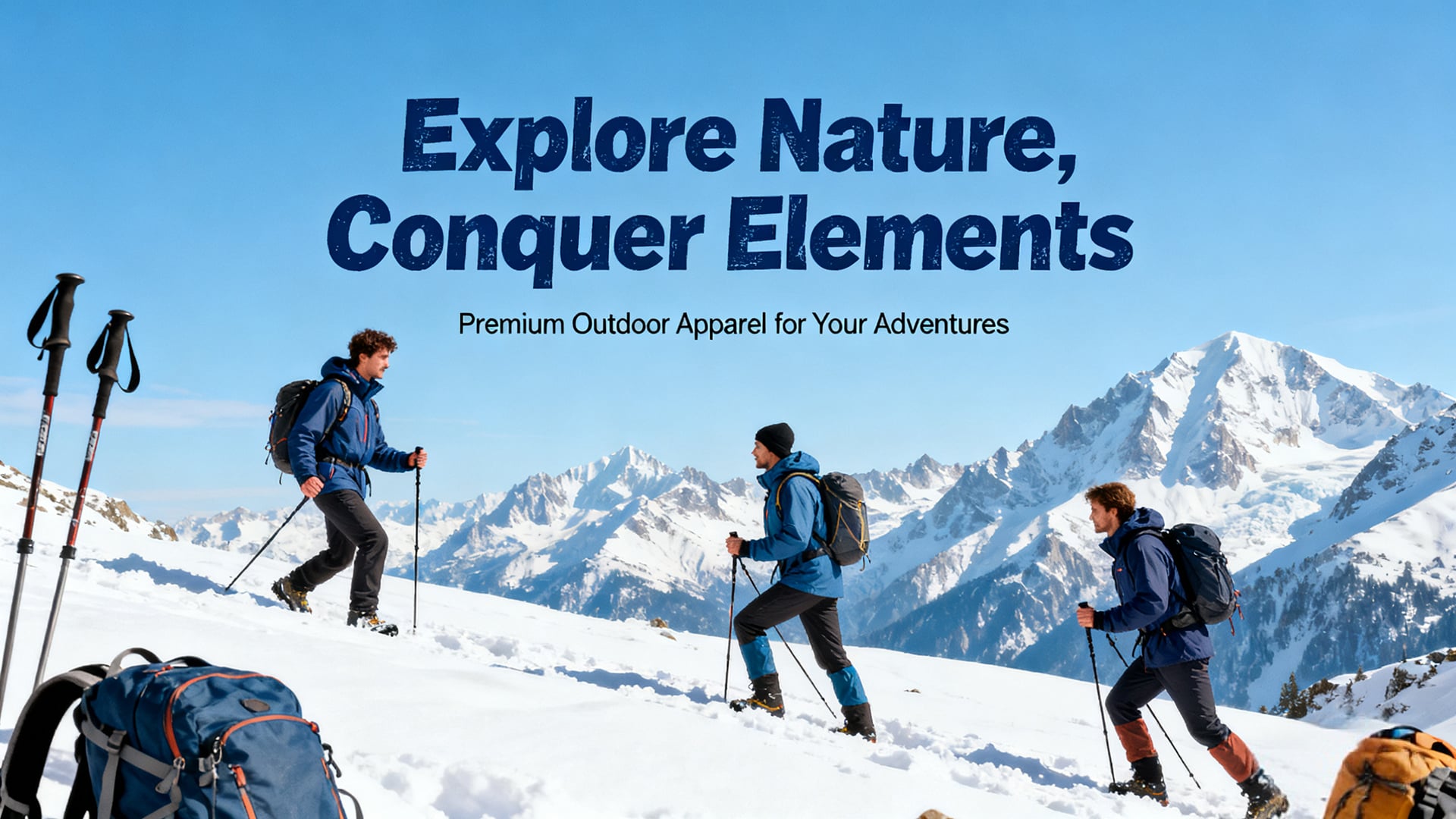
The Evolution and Innovation of Outdoor Clothing: From Functionality to Style
Outdoor clothing has come a long way since its early days, when it was primarily designed for practicality and durability. Today, outdoor clothing combines advanced technology, innovative materials, and stylish designs to meet the needs of a wide range of consumers, from professional adventurers to casual hikers. This article explores the evolution of outdoor clothing, the key technologies and materials that make modern outdoor clothing so effective, and how it has become a fashion statement in addition to a functional necessity.
The history of outdoor clothing can be traced back to the early 20th century, when explorers and mountaineers began to venture into extreme environments. At that time, outdoor clothing was made from heavy, natural materials like wool and cotton. Wool was popular because it provided warmth even when wet, but it was heavy and took a long time to dry. Cotton, on the other hand, was lightweight but absorbed water easily, making it uncomfortable and even dangerous in cold weather, as it could lead to hypothermia. As outdoor activities became more popular, there was a growing demand for clothing that was lighter, more durable, and better able to protect against the elements.
In the 1960s and 1970s, synthetic materials began to revolutionize the outdoor clothing industry. Polyester, nylon, and other synthetic fabrics were introduced, which were lightweight, quick-drying, and more durable than natural materials. These materials also had better moisture-wicking properties, meaning they could pull sweat away from the body and keep the wearer dry and comfortable. One of the most significant innovations of this era was the development of Gore-Tex, a waterproof and breathable fabric that was first used in outdoor clothing in the 1970s. Gore-Tex works by using a thin membrane with billions of tiny pores that are small enough to keep water out but large enough to allow water vapor (sweat) to escape. This made it possible for outdoor enthusiasts to stay dry and comfortable even in heavy rain or snow, without feeling overheated.
Since then, outdoor clothing technology has continued to advance at a rapid pace. Today, outdoor clothing manufacturers use a wide range of advanced materials and technologies to create clothing that is more functional, comfortable, and sustainable than ever before. One of the key trends in modern outdoor clothing is the use of eco-friendly materials. As consumers become more environmentally conscious, there is a growing demand for clothing that is made from sustainable materials like organic cotton, recycled polyester, and hemp. Recycled polyester, for example, is made from plastic bottles and other plastic waste, reducing the amount of plastic that ends up in landfills and oceans. Many outdoor clothing brands also use water-based dyes and other eco-friendly manufacturing processes to minimize their environmental impact.
Another important trend in outdoor clothing is the integration of smart technology. Smart outdoor clothing is designed with sensors and other electronic components that can monitor the wearer’s body temperature, heart rate, and other vital signs. This information can be transmitted to a smartphone or other device, allowing the wearer to track their performance and adjust their clothing or activity level accordingly. For example, a smart jacket may have a sensor that detects when the wearer is getting too hot and automatically opens a vent to cool them down. Some smart outdoor clothing also features LED lights for increased visibility, or built-in GPS trackers for safety in remote areas.
In addition to functionality and sustainability, style has also become an important factor in outdoor clothing design. Today, outdoor clothing is no longer just for outdoor activities; it’s also worn as everyday fashion. Brands like The North Face, Patagonia, and Columbia have become popular among fashion-conscious consumers, who appreciate the combination of style and functionality. Outdoor clothing now comes in a wide range of colors, patterns, and designs, from bold and bright to subtle and neutral. Many outdoor clothing items, such as parkas, fleece jackets, and hiking boots, can be easily paired with casual clothing like jeans and t-shirts, making them versatile enough for both outdoor adventures and everyday wear.
When it comes to choosing outdoor clothing, there are several factors to consider based on the activity and environment. For example, if you’re planning a hiking trip in a cold, wet climate, you’ll need a waterproof and windproof jacket, a warm fleece or down sweater, and waterproof hiking boots. If you’re going for a run in the city, you’ll need lightweight, breathable clothing with moisture-wicking properties and reflective strips for visibility. It’s also important to consider the fit of the clothing. Outdoor clothing should fit well, allowing for freedom of movement, but not too loose that it catches on branches or other objects. Many outdoor clothing brands offer different fits, such as regular, slim, and relaxed, to accommodate different body types and preferences.
The performance of outdoor clothing also depends on the layering system. The layering system is a common approach to outdoor clothing, which involves wearing multiple layers of clothing that can be added or removed depending on the weather and activity level. The base layer is the layer closest to the skin, which is designed to wick moisture away from the body. The mid layer provides insulation, keeping the wearer warm. The outer layer, also known as the shell, is designed to protect against wind, rain, and snow. By using a layering system, you can easily adjust your clothing to stay comfortable in changing conditions. For example, if you start hiking and the weather is cool, you can wear a base layer and a mid layer. As you hike and your body temperature rises, you can remove the mid layer to stay cool. If it starts to rain, you can put on the outer layer to stay dry.
Another important aspect of outdoor clothing is durability. Outdoor activities can be tough on clothing, with exposure to rocks, branches, water, and other elements. That’s why outdoor clothing is made from durable materials that can withstand wear and tear. Nylon, for example, is a strong and durable fabric that is often used in outdoor jackets and pants. Polyester is also durable and resistant to wrinkles and shrinking. Many outdoor clothing items also feature reinforced seams and pockets to prevent tearing.
In conclusion, outdoor clothing has evolved significantly over the years, from heavy, natural materials to lightweight, synthetic fabrics with advanced technologies. Today’s outdoor clothing combines functionality, sustainability, and style to meet the needs of a diverse range of consumers. Whether you’re a professional mountaineer, a casual hiker, or someone who just wants to stay comfortable and stylish in everyday life, there’s outdoor clothing available that is perfect for you. As technology continues to advance and consumer demand for sustainable and smart clothing grows, we can expect to see even more innovations in the outdoor clothing industry in the years to come. So, whether you’re planning your next outdoor adventure or just looking for a stylish and comfortable jacket for everyday wear, investing in high-quality outdoor clothing is a decision that you won’t regret.

 REQUEST AN ESTIMATE
 Home
Home