
 High Visibility Clothes
 EN
EN
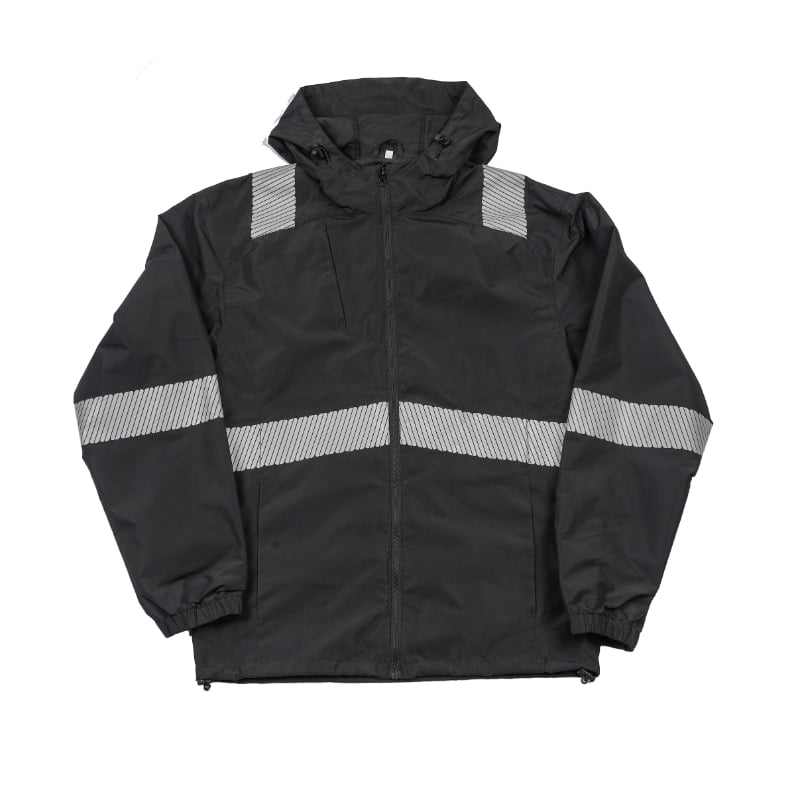
Shake Off Excess Water from High Visibility Rain Gear Before Entering Indoor Spaces.
For professionals in construction, road maintenance, and logistics, working in the rain or wet conditions means having high visibility rain gear. It keeps workers visible and dry in the rain. However, there is a simple, often overlooked, safety measure when entering indoor spaces. It is to remove the excess water. High visibility rain gear with excess water brought indoors creates a number of problems including puddles and damaged rain gear. 30 seconds to remove water protects the workplace, enhances the visibility rain gear, and keeps safety standards intact. On this blog, I explain the importance of this step, and how to do it effectively.
Blooms and Transport
Bringing dripping, high visibility rain gear indoors leads to first slippery floors. Sitting underneath gear can captures a large amount of free moisture. When that moisture is dripping downstairs to tile, concrete, or laminate floors, it can create stealth puddles, which can lead to serious injuries and costly workplace claims. Drying the gear and shaking it outdoors makes housekeeping and slip hazards worse. Second, engines can get damaged when wet high visibility rain gear is placed too close to electrical outlets or machinery. Water can seeping to critical components and cause short critical short circuits. Various, mainly dirty, mud and slip debris is transported indoors, which, for warehouse and workshop workers, is a second hazard that significantly increases the slip. Thin wash quickly diminishes these hazards and helps preserve the outdoors.
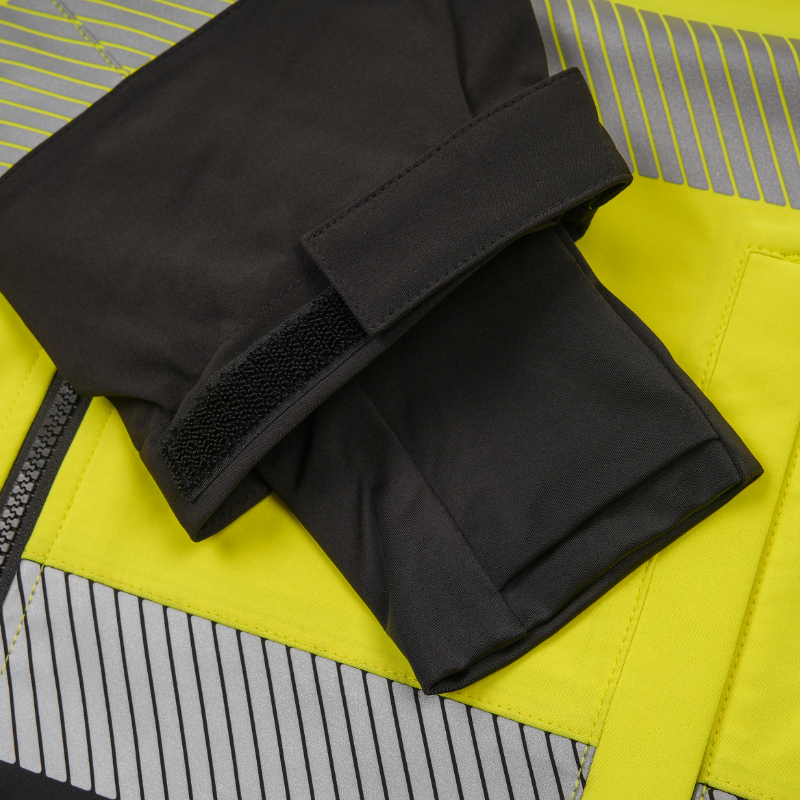
Moisture Damage to High Visibility Rain Gear
Moisture left on high visibility rain gear, stored indoors for a long time, risks damaging the gear’s fundamental functions. High visibility rain gear needs waterproof coatings to stop high visibility rain gear waterproof coatings to stop protective reflective strips from. Trapped moisture can break down the waterproof coatings causing the gear to leak. Moreover, moisture reflective tramp strips on high visibility rain gear can cause peeling and detachment. Mold and mildew may grow on high visibility rain gear, stored damp and dark in lockers or closets. Mold and mildew are damaging and odorous. They weaken the fabric, making the gear less safe, durable, and waterproof. Shaking off excess water defends gear from moisture buildup and saves traps.
How to Effectively Shake Off Excess Water from High Visibility Rain Gear
To remove excess water from high visibility rain gear, start by positioning yourself under a roofed outdoor space, like a porch or awning, to avoid getting wet while shaking. Hold the rain gear by the shoulders with both hands, and shake it vigorously. Be especially gentle with the water-logged areas, which are the hood, sleeves, and pockets. With rain pants or overalls, hold the waistband, and shake them to release the water logged in the legs. Once shaking is done, smooth the gear to avoid areas with moisture pockets formed by wrinkling. If you can, hang the rain gear on a hook by the entrance for 10 to 15 minutes before putting it away. This time allows the remaining water on the surface to evaporate. Do not stuff wet gear into a locker or bag. This will trap moisture and cause more damage.
Indoor Storage Tips for High Visibility Wet Rain Garments
To properly store wet high visibility rain gear indoors, make sure it is dry enough. Use designated hooks near entryway doors so air can move freely around the gear. Do not overcrowd hooks, as this can restrict airflow and moisture drying. When rain gear lockers are used, leave the lockers slightly gapped open so air can pass freely and prevent moisture from building up. Always keep separated the wet high visibility rain gear and other clothing. This prevents the moisture from other clothing being transferred and the mold growing on all the clothing. For those workers who need to store folded gear in small areas, to dry the high visibility rain gear use a collapsible drying rack near a window, fan, or other drying air source. Folded or hung closets help the gear keep its shape and maintain its performance level. In folded or hung closets, the gear will help keep the closet dry. Ensure gear is inspected regularly to spot and fix any mold or moisture damage.
Encouraging Employees to Shake Off Excess Water from Rain Gear
Employers can help maintain worksite cleanliness and employee comfort by promote policies and actions that encourage employees to shake off excess water from their high visibility rain gear. Place signs at facing entry points that remind employees to shake off their gear first. Plan and install covered outdoor areas or awnings near doors that provide employees a dry space to complete this step. Place drying racks and hooks in ventilated areas used for storage of gear. When gear storage is included in Safety Training Sessions, instructors can explain that “shaking off excess water, helps to prolong gear life and reduces indoor hazards”. Some workplaces even assign “gear monitors” to ensure employees comply with this policy. Making this step easy and self-explanatory reinforces its importance to employees, and consequently helps maintain a clean and safe worksite. It also protects the employer’s investment in high visibility rain gear.
![Shake Off Rain Gear Water Before Entering Indoors [30-Second Safety Tip]](https://shopcdnalpha.grainajz.com/category/18993/4129/d3ddc34beea51e36092b055e68e60567/%E4%BC%81%E4%B8%9A%E5%BE%AE%E4%BF%A1%E6%88%AA%E5%9B%BE_17863402894309.png)
 REQUEST AN ESTIMATE
 Home
Home