
 High Visibility Clothes
 EN
EN
How to Test the Water Resistance of Water-Resistant Outdoor Clothing?
People buy water-resistant outdoor clothing with the expectation it will keep them dry during unexpected rain showers or damp activities outdoors. But, how do you know if your water-resistant outdoor clothing really lives up to the promise? It doesn't matter if it is new or used, checking the water resistance is important to avoid getting drenched when you need it to protect you the most. There are a few simple, effective, and mostly at home tests with no special professional equipment you can run to check the performance of your water-resistant outdoor clothing. In the following tests, you will learn to assess the reliability of your water-resistant outdoor clothing.
Checking for Damage & Inspection of Material
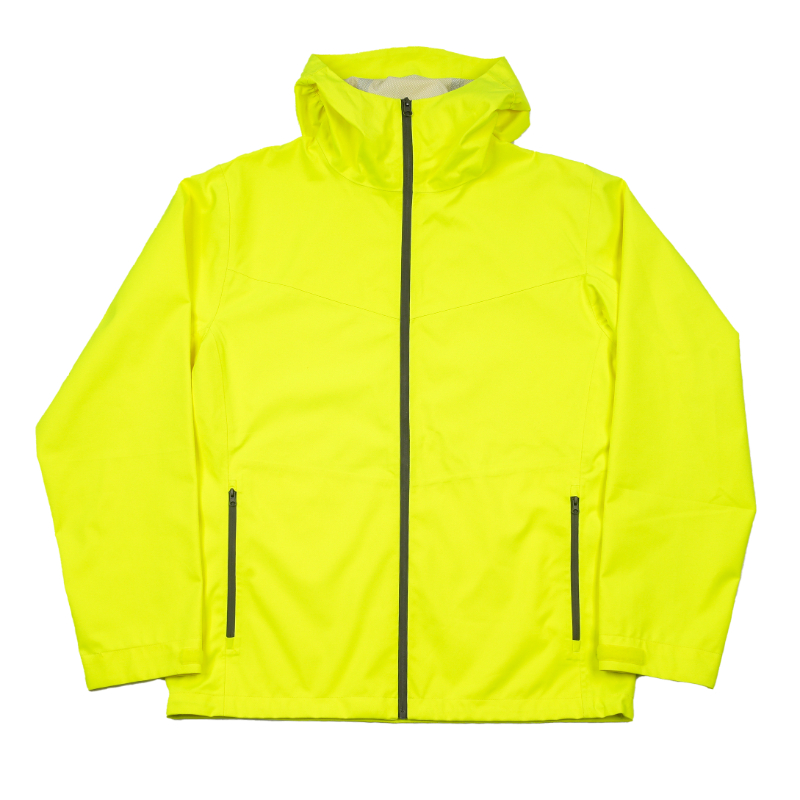
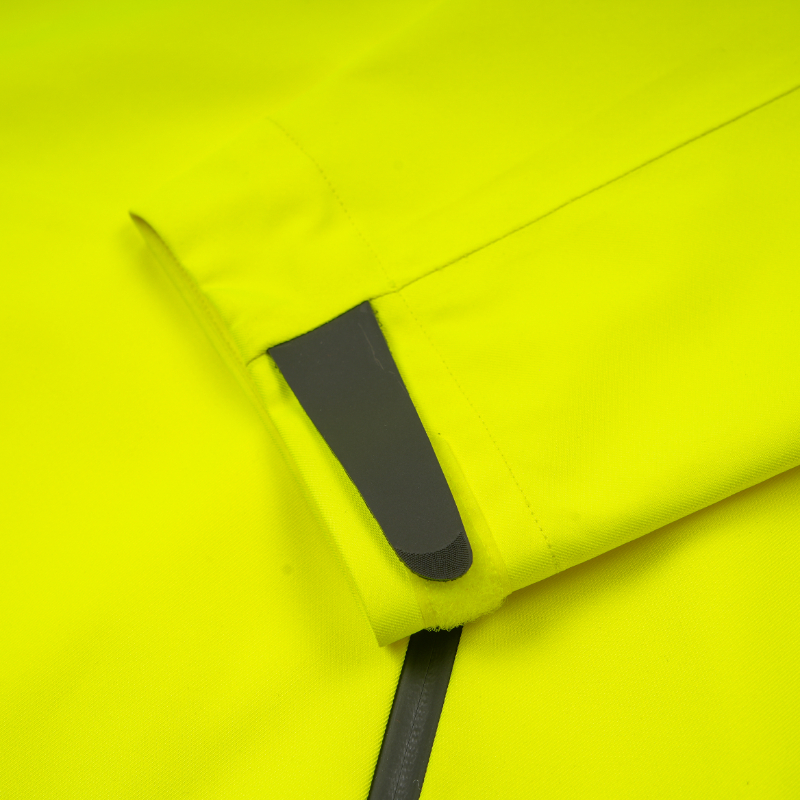
The first task in testing your water-resistant outdoor clothing is visual and fabric inspection. Water-resistant outdoor clothing should be laid flat first. Look for obvious signs of damage. Examine the seams and stress points carefully. These locations and the collars, cuffs, and hems are the first points of failure and most susceptible to losing water resistance. Look for the possible signs of damage, especially small tears, loose threads, and fraying. Even a small opening is an invitation for water to enter. Then, the condition of the fabric is evaluated. Quality water-resistant fabric has a silky smooth texture, indicating a water retentive covering. Fabrics with rough, uneven, sticky, and patchy textures are a sign of weak or missing water retentive covering. As the fabric ages, more significant water retentive covering will be lost in the elbow and shoulder areas first. Focus on the fabric in these locations during inspection.
A Spray Bottle for a Quick Test
Using a spray bottle filled with water is a great way to quickly test your outdoor clothing’s water resistance. To check this, hang your water-resistant outdoor clothing on a clothesline or a hanger as you would for your body. Grab a spray bottle filled with room temperature water, and set it to a fine mist. Stand around 30 centimeters from the fabric, and spray the clothing evenly, paying special attention to the seams, cuffs, and other high-risk areas. After 10 to 15 seconds, check to see if the fabric absorbs the water. If it does, the outdoor clothing’s water resistance has weakened. If you want to do a more thorough test, you can spray the fabric 2 or 3 times in a row. A good piece of outdoor clothing that is water resistant and will repel water even after repeated spraying.
Submersion Test for Extreme Conditions
The submersion test will give you a better indication of how the water-resistant outdoor clothing performs in heavy rain or wet environments. For the test, fill a basin with water. Take a small piece of water-resistant outdoor clothing, and gently put a part of the fabric in water, so that it is partially submerged. Don’t dip the whole piece in unless the product is claimed to be fully waterproof. Hold the clothing underwater for 30 seconds, then take the clothing out and gently squeeze it. Check to see if moisture passed through to the inner layer. For the seams, you can place a tissue inside the clothing before submersion. If the tissue is wet after you take it out, the seams are no longer water-resistant. Remember that water-resistant outdoor clothing is designed to repel light to moderate moisture, so full submersion may exceed its capabilities, but this test helps assess its maximum performance.
Drying and rechecking your water-resistant outdoor clothing should be followed after the spray or submersion test. Hang the clothing in a cool shaded area to dry, preferably in a corner where there is air circulation. You should avoid sun exposure and heat drying, as temperature extremes may harm the water repellent finishing. Dry the clothing completely and repeat the spray test to check if the water resistance has returned. It is true that a water-resistant fabric may be in the damp phase and therefore weakly perform. Nonetheless, a well dried and water repelling outdoor clothing should perform to the water repelling standard. In the absence of water repellent recharging or finishing, an outdoor clothing may need to be replaced. The life of water-resistant outdoor clothing can be stretched with appropriate checks and care. This will, in turn, ensure that the clothing will keep you dry in the right moments.
Conclusion
To guarantee comfort and protection during outdoor activities, check that your outdoor clothing remains water-resistant. First, do a visual check, then a quick spray test, and a thorough submersion test if necessary. Remember to dry the clothing thoroughly and recheck. You may lose your water-resistant clothing’s protective features if you do not test and maintain them regularly. However, with proper water-resistant clothing, you will remain dry and protected during your outdoor activities, regardless of the conditions.
![Test Water Resistance of Outdoor Clothing [3 Simple Methods]](https://shopcdnalpha.grainajz.com/category/18993/4129/d3ddc34beea51e36092b055e68e60567/%E4%BC%81%E4%B8%9A%E5%BE%AE%E4%BF%A1%E6%88%AA%E5%9B%BE_17863402894309.png)
 REQUEST AN ESTIMATE
 Home
Home