
 High Visibility Clothes
 EN
EN
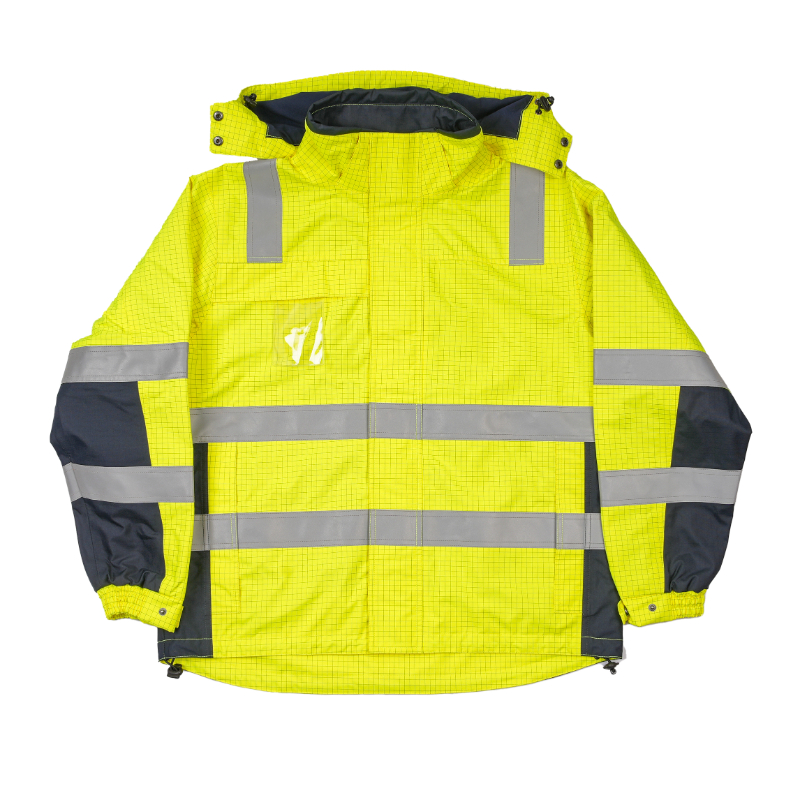
How to Properly Wear All Components of an Electrician FR Kit?
Every day electricians are up against risks including electrical arcs, fire, and heat. The FR kit from an electrician isn’t just a set of work clothes, it’s a life saving. Every component of the electrician FR kit is designed for a specific need, and wearing them in the proper order is key to maximizing protection. If an electrician FR kit is worn improperly, even if it is up to standard, it can leave deadly risks unsecured. This blog is focused on the proper wearing methods of the entire electrician FR kit to guarantee that the essential protective equipment is used correctly.
Correct Wearing of Electrician FR Clothing
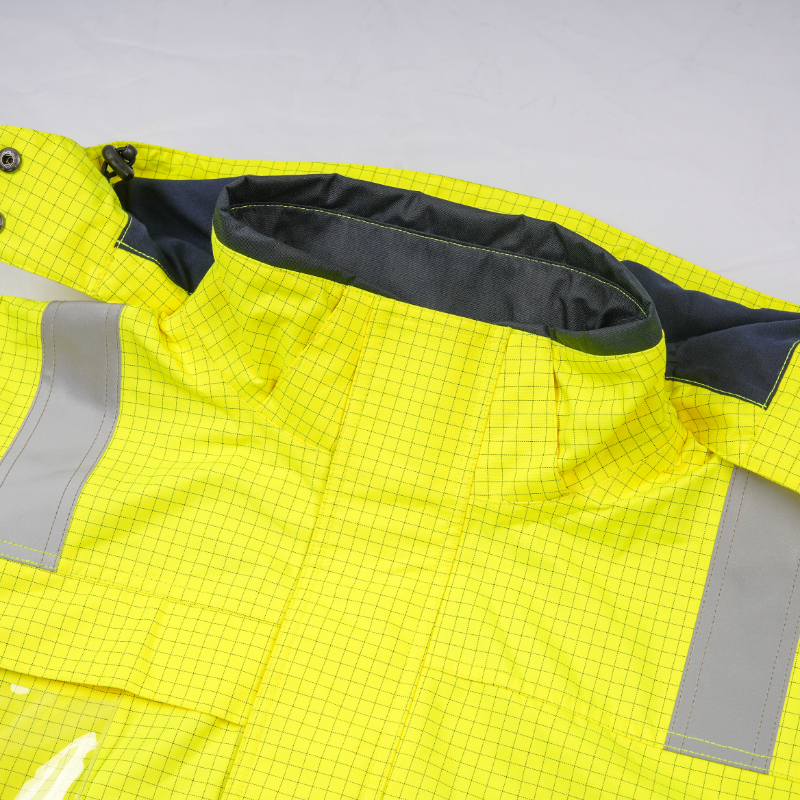
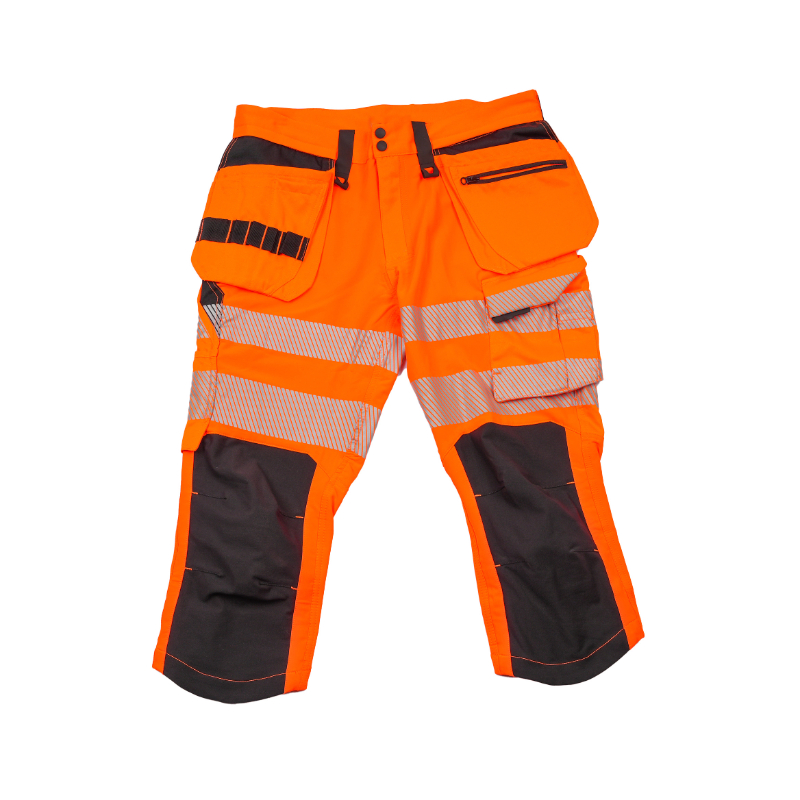
The FR items are the foundation of the electrician FR kit. Each package includes FR shirts, FR pants, FR jackets, and sometimes, FR coveralls. When putting on FR clothing, the first thing to focus on is the fit. The clothing should be loose enough to allow full range of motion—bending, reaching overhead, and climbing ladders. However, it should not be so loose as to get caught in some machinery, and it should not hang into dangerous areas. Avoid tight clothing as it can restrict blood flow and comfort which in turn will lead to excess movement. This can be counterproductive to the level of protection you are afforded. FR shirts should always be buttoned and zipped completely to the neck. An unbuttoned collar makes a gap for flames and sparks to reach your skin. Do not roll up the sleeves; the forearms are to be covered to protect against electrical arcs and irritating hot surfaces. When the FR shirt is layered with an FR jacket, the collar should be cut at least two inches to overlap. The FR pants should sit at the natural waist and cover the top of the FR boots completely.
It’s not a good idea to tuck your FR pants into your boots. It can trap heat or sparks. Instead, let the pants leg rest over the boot top to form a barrier. With FR coveralls, make sure you fully secure all zippers, buttons, or Velcro closures. Pay particular attention to the cuffs and ankles to make sure they are snug, but not overly tight.
Proper Use of FR Gloves and Hand Protection
Out of all the parts of an electrician’s body, hands are the most delicate and FR gloves are a necessary part of the FR kit. Make sure to inspect the gloves, as you did for the other pieces of equipment and before donning gloves, check for damages and fit the appropriate size gloves. Incorrectly sized gloves can lead to discomfort, tearing, and loss of tool handling dexterity. Removing rings and jewelry is also essential as they can create pressure points under gloves or electro-cute the wearer. Next, the FR gloves should be donned, and the gloves should be pulled all the way to the arm. This is especially true for the electrician’s FR kit glove liners which are designed for moisture-wicking or added comfort. Never wear glove liners over the FR gloves as this will severely undermine the FR gloves’ function. It is also crucial for the glove cuffs to overlap the sleeves of the FR shirt or jacket by at least one inch. This will ensure no debris or sparks can fall through the glove and sleeve gap.
When using tools that require a firm grip, ensure that the gloves with textured surfaces on the palms are facing outwards and are completely in contact with the tool handle. Do not wear gloves that are damp. Moisture lessens the insulating capabilities of the gloves. If the gloves are wet while working, get a pair of dry gloves from the electrician FR kit.
Properly Wearing Head and Face Protection in the FR Kit
In the FR kit, head and face protection is just as important and usually consists of FR hard hats and FR face shields or safety glasses. When using FR hard hats, the most important thing is to adjust the suspension system inside the helmet to fit the head properly. The hard hat should fit properly within the limits of position. It should be about one inch above the eyebrows, should be firmly on the head and should not tilt in any direction. The suspension straps should be snuggly fit. Very slight movement should be allowed and the hat should not slip off. It is very important not to wear any head gear under the hard hat, like a baseball cap or beanie. Head wear that is not FR is a very high risk of getting head injuries as it may catch fire, melt and cause injury. For face protection, if the task has a high risk of arc flashes or face wearing debris protection glasses, wear an FR face shield. The face shield should fit properly and be attached to the hat so it is secure and rigid and covers the entire face from the forehead to the chin.
Make sure the shield is positioned for an unobstructed view but is still close enough to stop any sparks from getting behind it. For tasks that require only basic eye protection, safety glasses (which may have FR frames) will suffice. Safety glasses should fit closely to the wearer with no gaps at the nose and ears, or debris may enter. Instead of using the FR kit's regular safety glasses, do not substitute your regular eyeglasses/or safety glasses, as regular eyeglasses do not have the necessary impact resistance coverage. Lastly, remember the hard hats and the face shields are also parts of the integrated electrician FR kit, and they must be used together when the task requires it.Wearing
FR Footwear and Auxiliary Components
FR footwear, mostly FR boots, is crucial in protecting the feet of electricians. In addition to providing protection against electrical hazards and burns, the FR boots in the FR kit also protect the feet from falling objects and sharp debris. Before putting on the FR boots, check to make sure that they are the correct fit and size. Filthy boots are dangerous and can be tripping hazards. Before putting the boots on, wear a pair of moisture wicking socks, preferably made of FR compatible materials. Avoid cotton socks since they absorb moisture, increasing the risk of heat retention. Tighten the laces to a comfortable snug fit and center the tongue to avoid any rubbing. The top of the boot should be at least six inches above the ankle to add ankle support and to block debris from getting in. If there are FR gaiters in the kit, wear them over the boot tops and under the pant legs. Gaiters should be secured with Velcro. For additional protective components like FR aprons and FR sleeves used for high arc flash risk tasks, make sure that they are integrated into the kit correctly.
Ensure that the waist ties on the FR aprons are fastened neatly. There should be an overlap with the FR shirt so the entire front torso is covered. FR sleeves should go over the FR shirt sleeves, so the cuffs are snug around the wrists. The cuffs should overlap with the FR gloves. Any fitting auxiliary components should be coordinated with the rest of the electrician FR kit so there are no issues with fit or protection.
Checking and Adjusting Fit Throughout The Shift
Putting on the full FR kit at the beginning of the shift will not cover all of the protection needed during the shift. Electricians are required to check and adjust components protective gear periodically throughout the shift. Before beginning work and each time during the shift be sure to check all of the FR gear for a complete fit. FR clothing should be buttoned and/or zipped completely, gloves should be snug and overlapping the sleeves, and the hard hat should be secure. Look for fully laced boots. During breaks, check for any changes in fit. FR gear should not shift so much that the FR pants slide down or loosened gloves after repeated tool use. Adjust FR components as needed. Replace damaged gear with the spare in the electrician FR kit. Do not resume work with any damaged or unclearly FR components. To enable work and gear to FR properly the next use, each component of the electrician FR kit should be cleaned to the manufactures instructions after the shift.
Keep the electrician FR kit in a cool, dry place away from direct sunlight and away from chemicals to prevent damage and fit degradation over time. With the proper habits of wearing and regular checks, an electrician can be assured that their electrician FR kit is there to give consistent and reliable protection for every workday.

 REQUEST AN ESTIMATE
 Home
Home