
 High Visibility Clothes
 EN
EN
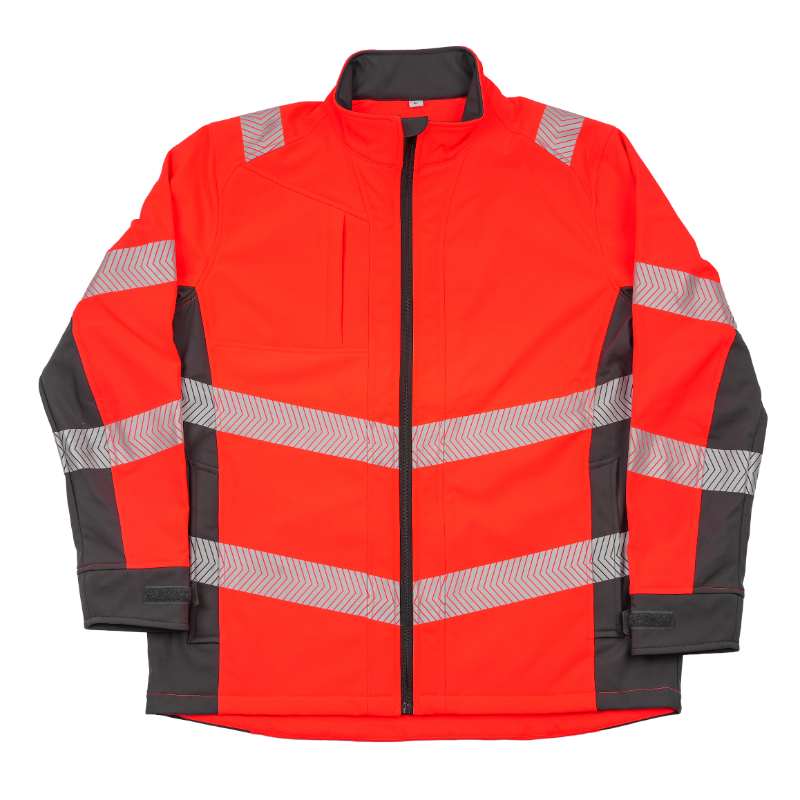
Ensure Reflective Safety Workwear Is Not Covered by Other Clothing.
Reflective safety workwear saves lives in the construction, road maintenance, and logistics industries. In these industries, workers must be able to see and be seen, especially near vehicles and machinery. The bright, reflective strips on the workwear are meant to reflect light and make workers visible in the dark, fog, or rain. However, many people make the mistake of covering the reflective strips with other clothing like jackets, sweaters, or tool belts. This mistake removes the safety provided by reflective workwear and increases the chance of an accident. This blog will focus on why it is important to leave reflective safety workwear uncovered and how to maximize visibility on the job.
What is Uncovered Reflective Safety Workwear and Why is it Critical?
Reflective safety workwear is made to high visibility specifications. Reflective strips are added on the chest, back, and arms, ensuring that the workwear can be seen from all perspectives. As the strips become covered, the workwear begins to lose the ability to reflect light which can make the workers invisible to machine operators and drivers. Research suggests that workers wearing undisguised reflective safety workwear are 70 percent less likely to be involved in accidents that are related to visibility. For those workers that have their shifts early in the morning, or are working later in the night, it is more important that they have uncovered reflective safety workwear. This ensures that even during the dark, the workers can be seen easily from a distance.
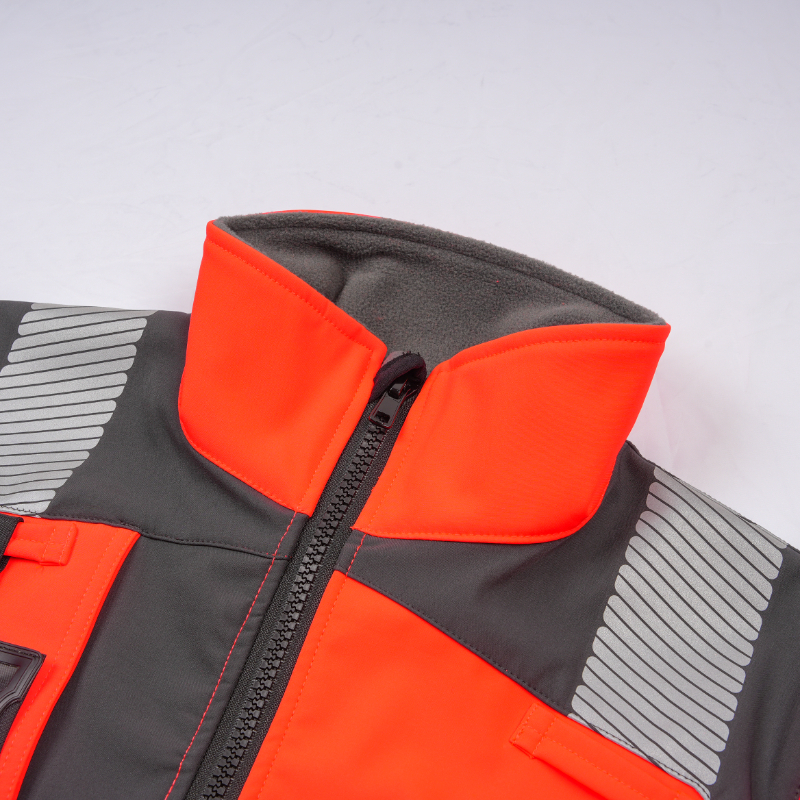
Common Causes of Covered Reflective Safety Workwear
Many workers cover their reflective safety workwear simply for convenience or out of negligence. One of the most common reasons is the layering of clothes to keep warm during winter. Workers often wear thick jackets or hoodies, which conceal the reflective safety workwear and safety reflective strips of the coveralls. Tool belts or harnesses that are too tight or incorrectly positioned are also able to hide reflective safety workwear and cover reflective areas on the chest or back. Oversized clothing is also a problem: baggy jackets or shirts can slide over the shoulders or sleeves, covering arm reflective strips. Even small items like scarves, hats, or gloves pulled up too high can block neck or wrist reflective elements. Recognizing these common causes will help workers avoid covering their reflective safety workwear.
Choosing the Clothing and the Style to Not to Cover Reflective Safety Work Clothing
To keep reflective safety workwear visible at all times, it’s important to choose the right clothing and wear it correctly. During colder months, instead of wearing bulky winter jackets over the workwear, wear thin fitted thermals underneath the workwear. You can also wear insulated reflective safety workwear options. If an outer reflective jacket is needed, it should be designed to have openings, on the outer reflective jacket, in the same place as the reflective strips on the workwear. When wearing tool belts or safety harnesses, make sure they are adjusted to sit over or under the reflective strips and not directly on top. The best approach is to avoid loosely fitted clothing and instead wear properly fitted garments. For the closure of the neck and wrist, use thin scarves and gloves that will not cut off or overlap any reflective area. These styling tips will help safety work wear and visibility be maintained.
Policies and Training on Uncovered Reflective Safety Workwear
Employers can protect workers from hazards by ensuring that reflective safety workwear is uncovered using policies and training. Employers need to have clear company policies that require workers to keep all reflective strips visible at all times and indelibly state the consequences of non compliance. Training sessions should explain the hazards of covered reflective safety workwear and incorporate accident cases to help emphasize the need to keep all protective gear visible. Suitable workwear should be provided to workers as well, such as insulated reflective safety workwear, so that outer non reflective workwear does not need to be worn. The more frequent on site supervisory presence is intended to identify and rectify covered safety workwear.
Daily Routine to Ensure Reflective Safety Workwear Is Visible
To make sure their reflective safety workwear is fully visible, workers should start having daily checks as a routine. Every shift, spend a moment before a mirror to check the reflective portions of your workwear. Make sure the reflective strips on your chest, back, shoulders, and arms are all visible. Have a coworker check to see if there are any reflective strips on the back that aren’t visible. Moving tool belts and jackets can relax over your shoulders, so make sure to do a shift check to see if the reflective strips are still visible. After every break, there should be a routine to check if the reflective strips are visible, and if the work clothing becomes damaged, or the reflective work strips are worn, report it. Reflective safety workwear is only as effective as the daily checks performed to ensure it.

 REQUEST AN ESTIMATE
 Home
Home