
 High Visibility Clothes
 EN
EN
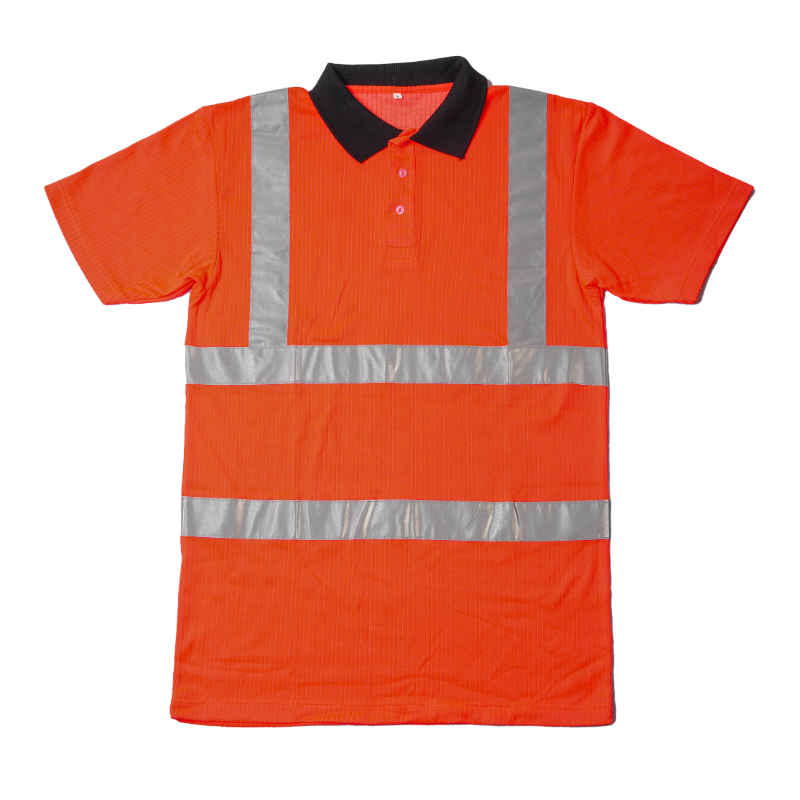
Avoid Fabric Softeners When Cleaning FR Shirts with Moisture Wicking.
When it comes to safety and comfort during work, flame resistant shirts with moisture wicking are essential for employees in high-risk fields such as construction, electrical work, and manufacturing. These shirts serve two functions: flame resistant shirts protect wearers from fire risks and with moisture wicking technology, they keep employees cool and comfortable. There is one cleaning error that diminishes both functions: using fabric softeners. Though they are made to soften clothes, fabric softeners coat FR shirts with moisture wicking in harmful residues. This blog covers why softeners are harmful to these shirts, how to clean them, and the best cleaning techniques to maintain the shirts life saving functions.
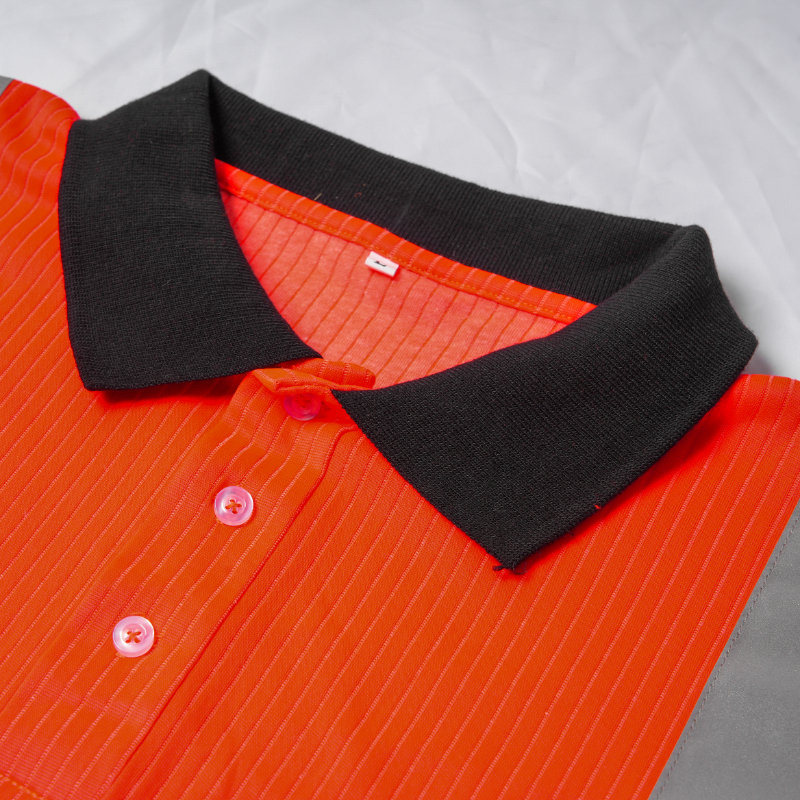
How Fabric Softeners Affect Moisture Wicking in FR Shirts
When it comes to FR shirts with moisture wicking, specific engineered tiny capillaries pull moisture away from the skin and to the shirt to evaporate. Fabric softeners get rid of friction by encasing the fibers in a thin, waxy layer. Softener residue ends caps the delicate capillaries in FR shirts with moisture wicking and holds in sweat. After a small number of washes the residue will fully build and a shirt will feel damp and heavy, even during light shifts. Sweat that is trapped will and can irritate skin, chafe and even cause a worker to feel hypothermic in cooler air. A worker will rely on the FR shirt with moisture wicking technology to keep dry during the long days, only to find that fabric softeners made a key tool a liability.
Compromising Flame Resistance of Moisture Wicking FR Shirts
The most dangerous thing about using fabric softeners on moisture-wicking FR shirts is the compromise of the flame resistance. FR shirts either have chemical treatments or inherently flame resistance fibers. With softeners, the shirts become highly flammable. The residues ignite fast when exposed to electric arches or open flames, negating the protective purpose of the shirt. The softener chemicals also break down the flame-resistance chemical treatments over time and reduces effectiveness for FR shirts with moisture wicking. Even inherently flame-resistant fibers take a hit, as softeners melt the residue and cause the FR shirt to become sticky as it burns to the skin. It turns the moisture-wicking FR shirt into a risk.
Safe Alternatives to Fabric Softeners for FR Shirts with Moisture Wicking
You can keep FR Shirts with moisture wicking comfortable without using fabric softeners—in fact, there are safe alternatives that retain softness while maintaining performance! First, choose the right detergent. Use a mild, unscented detergent that is formulated for softener free technical or FR fabrics. This type of detergent will clean the shirt without leaving any sticky residues that may obstruct moisture wicking. For natural softening, add half a cup of white vinegar in the rinse cycle. Vinegar will break down detergent residue and softens the fibers without leaving a coating. It is also non-flammable and safe for FR shirts with moisture wicking. Do not over-dry, Since high heat will cause fabric to stiffen. For best results, tumble dry on low or hang to air dry. FR shirts with moisture wicking will be soft enough for all-day wear while maintaining their important protective features.
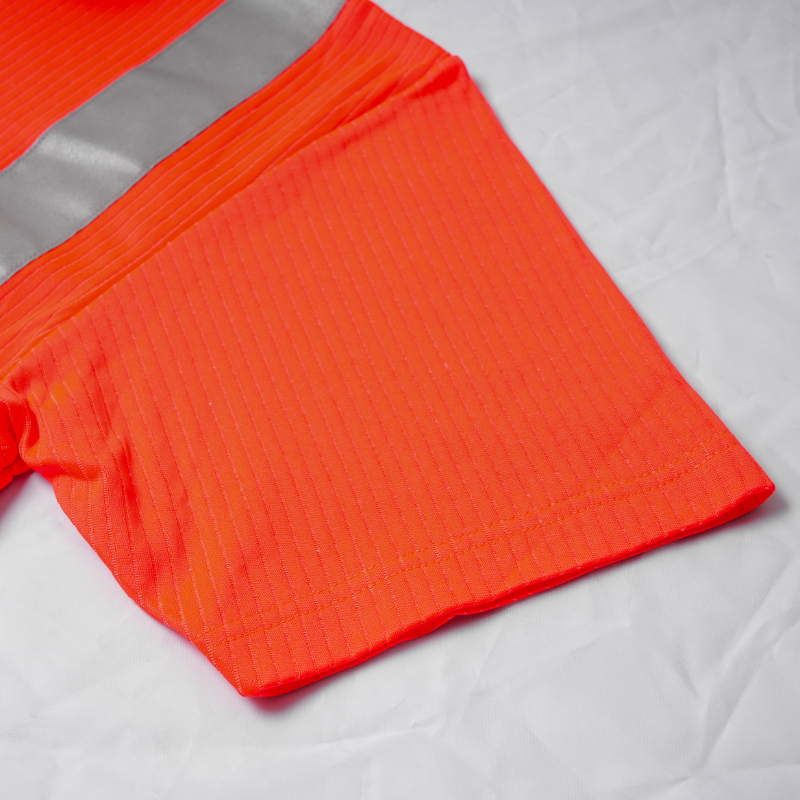
Cleaning Process on Moisture Wicking FR Shirts
Cleaning FR shirts with moisture wicking requires a specific method for it to be free of remaining softener. Start with cleaning your washing machine by running an empty cycle with hot water, followed by a cup of vinegar to clear out softener that remains in the drum and hoses. Avoid washing FR shirts with moisture wicking together with other laundry, and separately from any other items that have been washed with softener as it can easily transfer. Use cold water (30°C and below) and any mild detergent, and completely skip the fabric softener compartment. If rinsing is a concern, use the extra rinse cycle to flush away remaining detergent or vinegar. Don’t fill the washing machine. Be sure to check the cleanliness of the shirt for remaining residue and stiffness. If needed, rewash it.
Signs Your FR Shirt with Moisture Wicking Has Fabric Softener Damage
Knowing how to recognize fabric softener damage means knowing how to fix problems before they become safety issues. The most obvious is moisture-wicking lessened: if, during work, the shirt feels damp and clingy, and it still feels like that after washing, there is residue blocking the pores. Another sign is a waxy, stiff feeling, especially on the collars and cuffs. Dirt and oil build-up leads to yellowing, so discoloration is a sign. For flame resistance, pay attention to how the fabric behaves with heat (in a controlled test). If it starts igniting faster, melts, or drips, the FR properties are compromised. If you see these signs, strip the residue by washing the shirt with vinegar and a mild detergent, then let it air dry. If the damage remains, it is time to replace the FR shirt with moisture-wicking—compromised safety gear is not worth it.

 REQUEST AN ESTIMATE
 Home
Home