
 High Visibility Clothes
 EN
EN
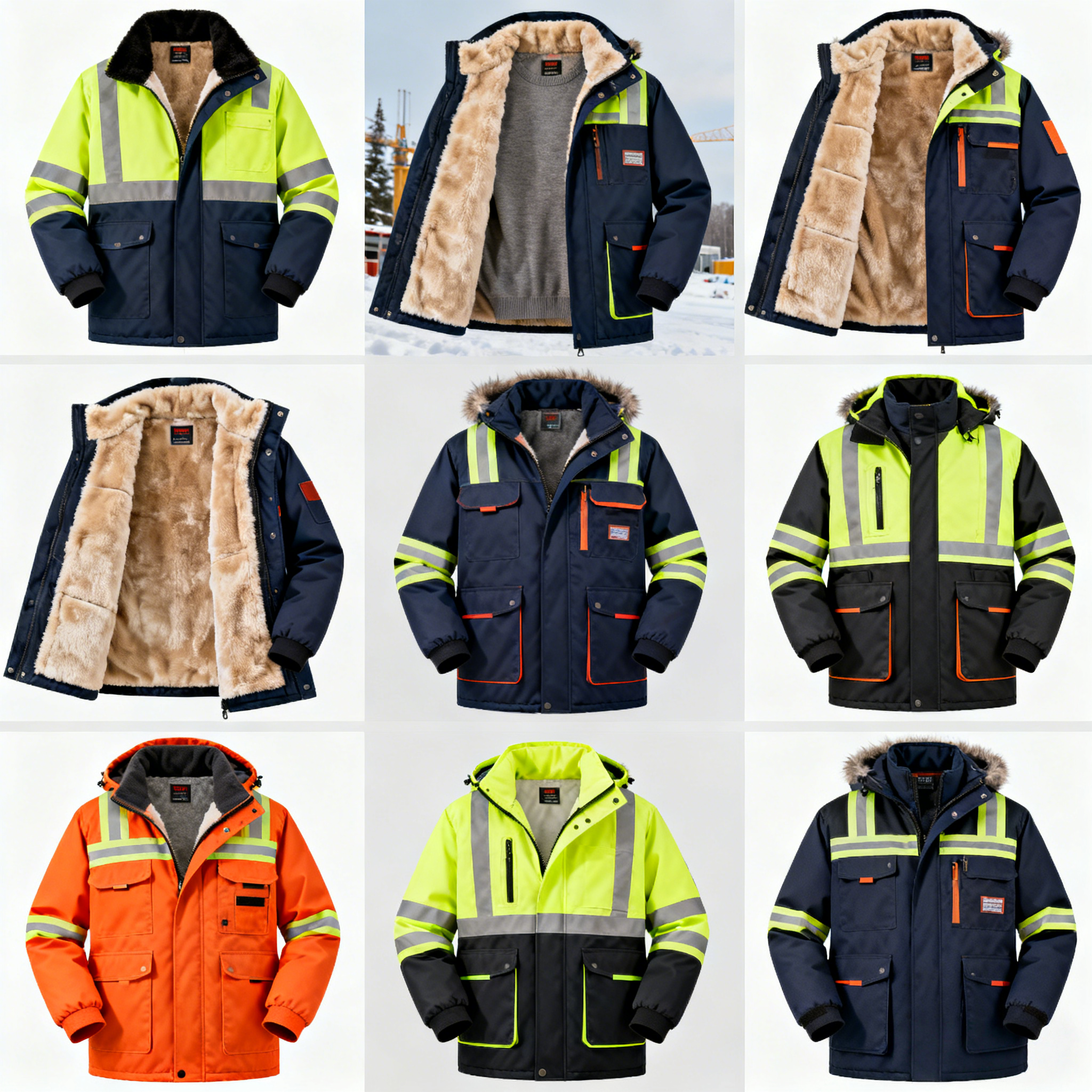
Zip Up the Winter Insulated Work Jacket Fully in Freezing Temperatures.
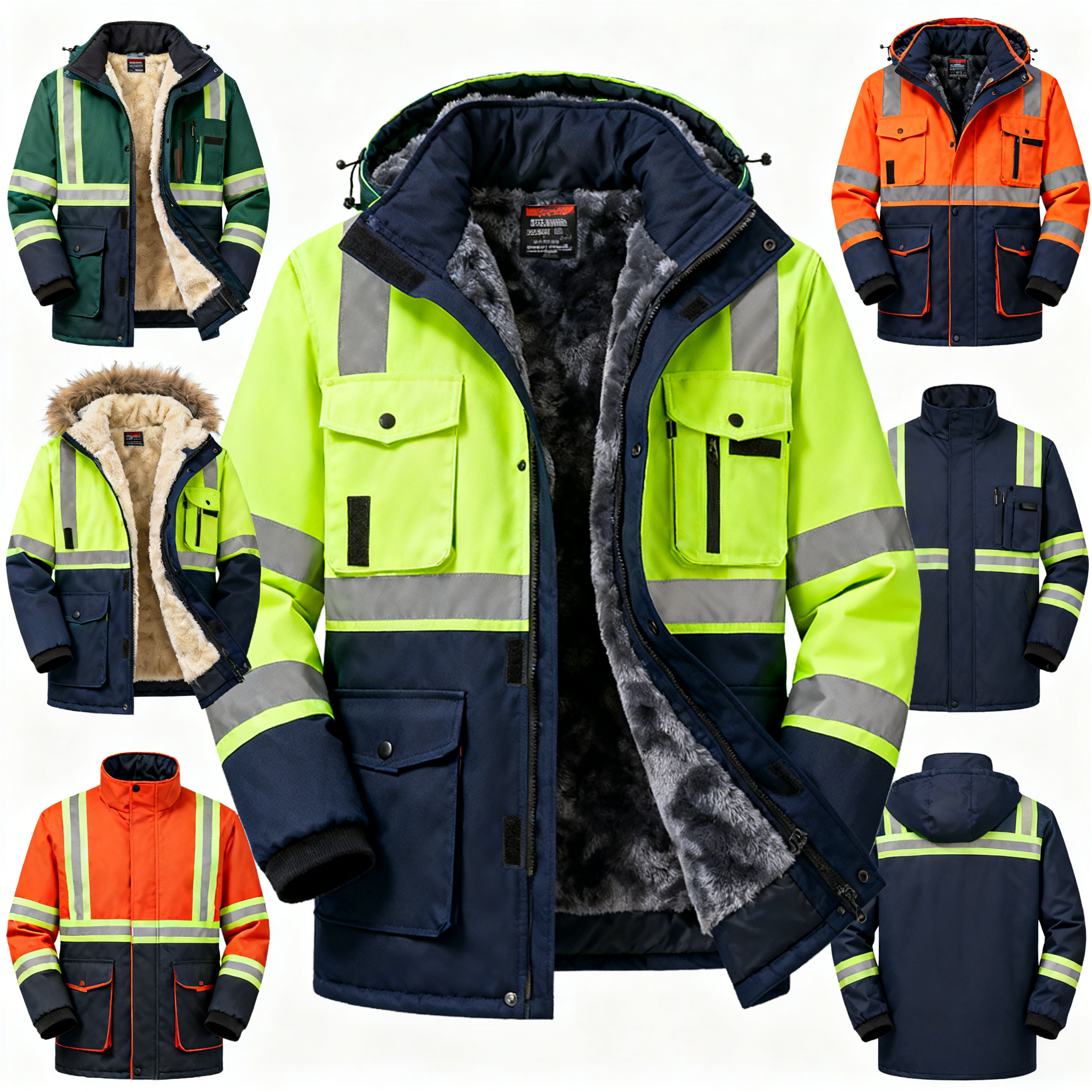
Why a Winter Insulated Work Jacket Is Essential for Subzero Safety and Compliance
Cold Stress Risks Below -10°C and OSHA/NIOSH Exposure Thresholds
When temps drop below -10 degrees Celsius (-14 Fahrenheit), workers face serious cold stress risks like hypothermia, frostbite, and fingers that stop working properly. At around -15°C, most people start losing their ability to handle small objects within just a few minutes, which makes accidents much more likely according to recent field research from 2023 showing a 40% increase in incidents. Keeping the body's core temperature above 35°C is really important for staying alert and performing tasks well. Once it drops below that mark, workers tend to make worse decisions, struggle with coordination, and react slower to dangers. The National Institute for Occupational Safety and Health recommends windproof gear with insulation when temperatures hit -12°C or lower. Meanwhile, OSHA considers these conditions high risk and wants companies to put in place both physical safeguards and management practices along with proper winter clothing. Not following these safety guidelines doesn't just endanger workers but also opens companies up to hefty fines that can top $15,000 for each violation found during inspections.
Real-World Impact: Utility and Infrastructure Workers in Extreme Cold Climates
Workers across utility lines, pipelines, and wind turbines who operate in those brutal Arctic and subarctic zones deal with some seriously tough temperature extremes. When temps drop to minus 30 degrees Celsius, regular work clothes just don't cut it anymore after about twenty minutes out there. People start getting exposed to dangerous cold and their ability to get jobs done gets messed up pretty quickly. Take Alberta's oil fields during that big freeze in 2022. Companies there switched to proper winter insulated jackets and saw a massive drop in downtime related to the cold weather. The difference was huge: workers could actually complete full eight hour shifts even when snow piled up, they maintained good grip strength needed for fixing things overhead, and those pesky zippers stopped collecting ice all the time. Wind farm teams in Nordic countries told similar stories, reporting around 72% fewer people leaving their shifts early because of the cold once they started wearing gear that met those ISO 11079 standards for insulation. All this makes sense when we consider the bottom line too. Frostbite injuries cost companies an average of $740,000 each according to research from the Ponemon Institute back in 2023. So investing in right gear isn't just about staying warm it's also smart business.
Key Performance Features of a High-Performance Winter Insulated Work Jacket
Insulation Technology: Primaloft Bio vs. Thinsulate Ultra for Breathable Warmth
Keeping body temperature stable really depends on good insulation that manages heat while letting sweat escape and resisting dampness. Take Primaloft Bio for example it contains over half recycled materials and still holds about 96% of its warming ability even when soaked. The secret? Those tiny fibers trap air and repel water. Then there's Thinsulate Ultra which packs serious warmth without adding bulk because of those super fine fibers. Tests in labs show it gives roughly 1.5 times the warmth per gram compared to regular polyester fillings. Both these materials let moisture vapor pass through at rates around 10,000 grams per square meter every 24 hours, so people don't get sweaty inside their gear during physical tasks. Real world tests indicate folks working in changing weather conditions stay warmer consistently, experiencing about a third less temperature swings than with standard insulation options. This kind of stability helps maintain concentration levels and reduces tiredness over time.
Windproof, Water-Resistant Shell: 3-Layer Laminate vs. DWR-Coated Nylon
A good outer shell needs to stop wind chill in its tracks, keep rain and snow from soaking through, and stand up to all sorts of industrial abuse while still letting workers move around freely. These days, most quality gear uses three layer laminates these days. There's this special waterproof breathable membrane sandwiched between tough outer fabric that resists abrasion and a soft inner lining that protects against cold. This kind of setup works really well even when temperatures drop below minus 25 degrees Celsius. It holds up through countless freeze thaw cycles and can handle serious snow buildup without falling apart. Regular nylon with DWR coating does something different though. It uses chemicals on the surface to make water bead off, which keeps things lighter but doesn't last nearly as long. After about twenty to thirty industrial washes, those coatings start breaking down. People working in Arctic conditions have noticed that three layer systems stay waterproof for roughly twice as long as their DWR counterparts during prolonged blizzards. That's why so many professionals consider three layer construction the gold standard for gear that has to perform reliably in brutal winter conditions.
Full-Zip Integrity: YKK #8 AquaGuard Zippers and Ergonomic Closure Design
When temps drop below freezing, a broken zipper isn't just annoying anymore—it can actually put workers at risk. The YKK #8 AquaGuard zippers used in industrial gear have some serious tech going for them. They're built with waterproof coils and those big sliders that still work even when wearing thick gloves, which means no more getting stuck at minus 40 degrees Celsius. What really makes these jackets stand out though are the magnetic storm flaps plus those special draft tubes positioned right behind where the zipper sits. Together, they stop icy air from sneaking in through what would normally be the weakest spot on any coat. According to tests run by the Arctic Gear Safety Institute, workers wearing coats with this complete sealing system had about 87 percent less problems with zippers giving out while working on construction sites in brutal winter conditions. That kind of reliability matters a lot when someone needs to adjust layers without losing body heat during critical tasks.
Ergonomic and Usability Enhancements for Reliable Full Zip-Up Functionality
Glove-Compatible Hardware and Chin Guard Integration
Designing gear that works in freezing temperatures requires some serious thought. The big, rough zippers on jackets make it possible to open and close things even when wearing heavy winter gloves, so people don't have to take their hands out of warmth. There's also those little guards around the chin area that stop faces from touching icy metal parts. This matters because metal gets super cold fast and can really hurt skin after repeated adjustments. These aren't just fancy additions either. Research published in the Arctic Safety Journal back in 2023 found these design elements cut down on frostbite cases by almost 40% after spending time in -20 degree Celsius weather. For anyone who needs to move around outdoors in such extreme cold, these practical details become absolutely necessary.
Adjustable Hem, Cuffs, and Storm Flap Systems for Draft Elimination
Comprehensive draft elimination relies on three-point sealing at the jacket’s key exposure points:
- Hem adjustments: Internal drawcords allow custom tightening above the hips to block upward wind intrusion
- Cuff closures: Hook-and-loop or magnetic wrist fasteners accommodate layered glove cuffs without gaps
- Storm flaps: Reinforced, windproof overlays with snap-secured edges seal the entire zipper line
Combined with articulated patterning for bending and lifting, these features cut cold drafts by 68% versus non-adjustable designs (Extreme Environments Lab, 2024)—directly enhancing thermal retention, comfort, and task efficiency on freezing worksites.
Field Validation and User Adoption Trends for Arctic-Grade Winter Insulated Work Jackets
Testing in temperatures under -20°C (-4°F) proves that arctic grade jackets really do offer significant safety benefits and better performance in the field. Independent tests found that jackets made with materials like Primaloft Bio keep about 90% of their warmth even after going through over 100 freeze and thaw cycles. These synthetic options beat traditional insulation by roughly 30% when it comes to handling moisture, according to research published in Thermal Insulation Journal last year. The market is definitely moving in this direction too. Oil companies and utility workers have bought 40% more OSHA approved winter gear compared to last year, mainly because there were 17% fewer cases of cold stress reported on jobsites where these jackets were used. Most interestingly, almost 8 out of 10 workers in Arctic conditions say they care more about features like zippers that work with gloves, good storm flaps, and adjustable seals than just how warm the jacket is. This shows what everyone in the industry already knows: people want protective equipment that actually works for them day to day, not just meets paper specs.

 REQUEST AN ESTIMATE
 Home
Home