
 High Visibility Clothes
 EN
EN
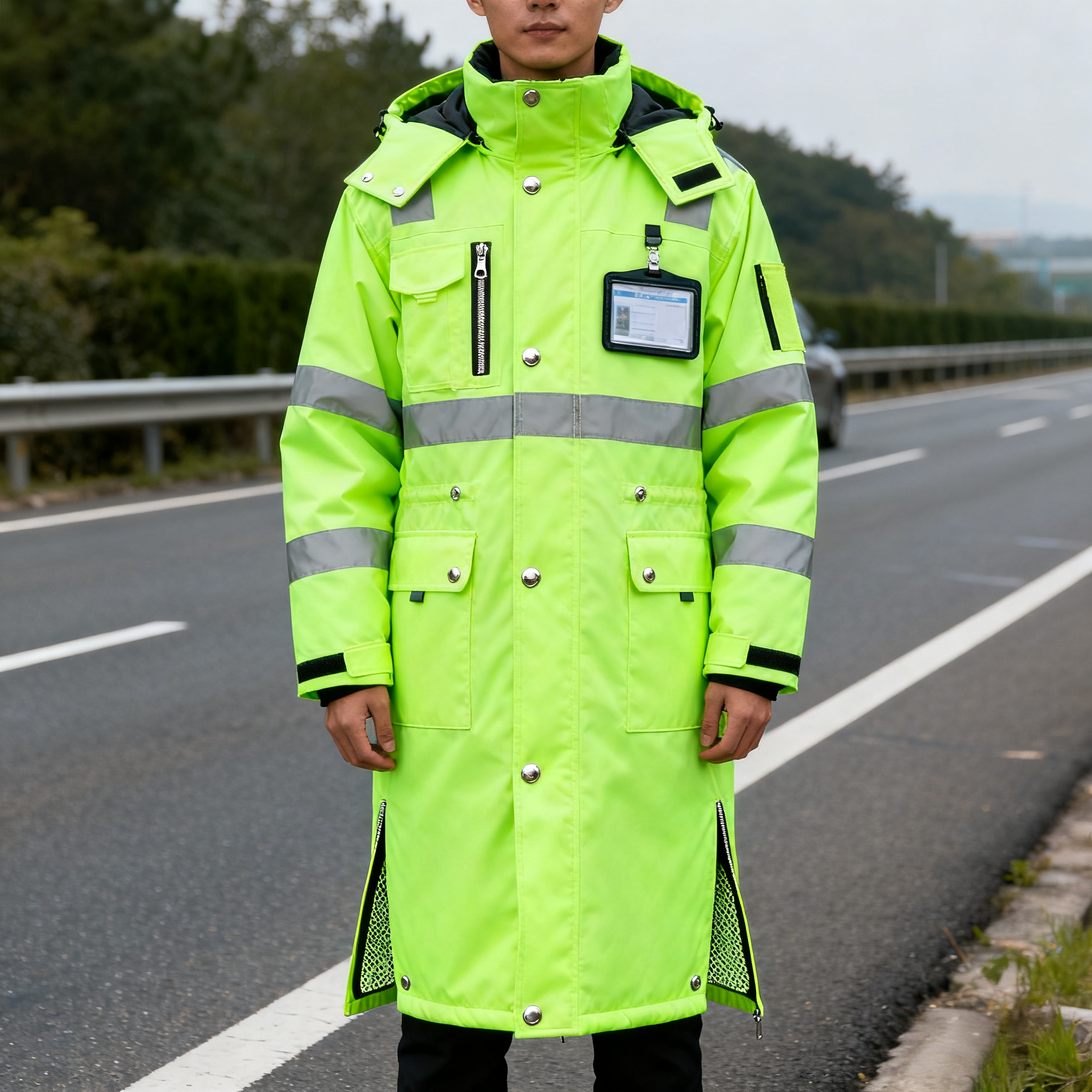
Zip Up Class 3 Hi-Vis Parka Fully in Low-Light Conditions.
What Defines Class 3 Hi-Vis Clothing Under ANSI/ISEA 107 Standards
The Class 3 high visibility parka sits at the top of the safety hierarchy according to the ANSI/ISEA 107-2020 guidelines. These jackets are meant for folks working in really dangerous situations such as on busy roads during construction projects or when responding to emergencies. To meet the standards, they need around 1,240 sq in of bright fluorescent fabric plus approximately 310 sq in of that reflective tape we all see on highways. That's way more than what Class 2 gear offers actually - something like 60% extra background area and nearly 55% more reflective surface space. For anyone dealing with fast moving vehicles going over 50 miles per hour, these enhanced specs aren't just nice to have but absolutely necessary for staying visible and safe.
Minimum Material Requirements: 1,240 sq in Background and 310 sq in Reflective Tape
Under the ANSI/ISEA 107 guidelines, there are clear specifications for visibility gear. Workers need to wear fluorescent fabric covering their entire torso and limbs, typically in those bright yellow-green or orange-red colors we all recognize. Around each arm and leg should be continuous strips of retroreflective material forming complete bands. When manufacturers combine these materials, they have to ensure everything stays intact after about 100 rounds through industrial laundry cycles. The official documentation from ANSI/ISEA 107 actually states that following these rules makes workers three times easier to spot than regular equipment when lighting is poor. That kind of visibility difference can literally save lives on construction sites or factory floors at night.
OSHA and Industry Safety Regulations for High-Visibility Apparel
OSHA regulation 29 CFR 1926.201 doesn't actually require Class 3 protective clothing specifically, but it does insist that employers supply visibility gear meeting "recognized consensus standards." Most safety professionals interpret this requirement as needing ANSI certified Class 3 parkas for compliance. We're seeing more industries like utility companies and road crews adopting these higher visibility garments lately. The numbers seem pretty convincing too. According to some NIOSH research from 2021, workers wearing Class 3 protection experienced around 72% fewer accidents involving being struck by vehicles compared to those in Class 2 equipment. Makes sense why so many companies are moving toward this standard now.
How ANSI Compliance Ensures Maximum Worker Visibility and Protection
Certified Class 3 parkas undergo third-party testing for chromaticity coordinates (≈ 0.40 YI luminance factor), retroreflectivity (≈ 330 cd/lux/m² at 0.2° observation angle), and tear strength (≈ 25N force resistance). These metrics ensure visibility at 1,280 feet under low-beam headlights—providing sufficient stopping distance for vehicles traveling at 55 mph.
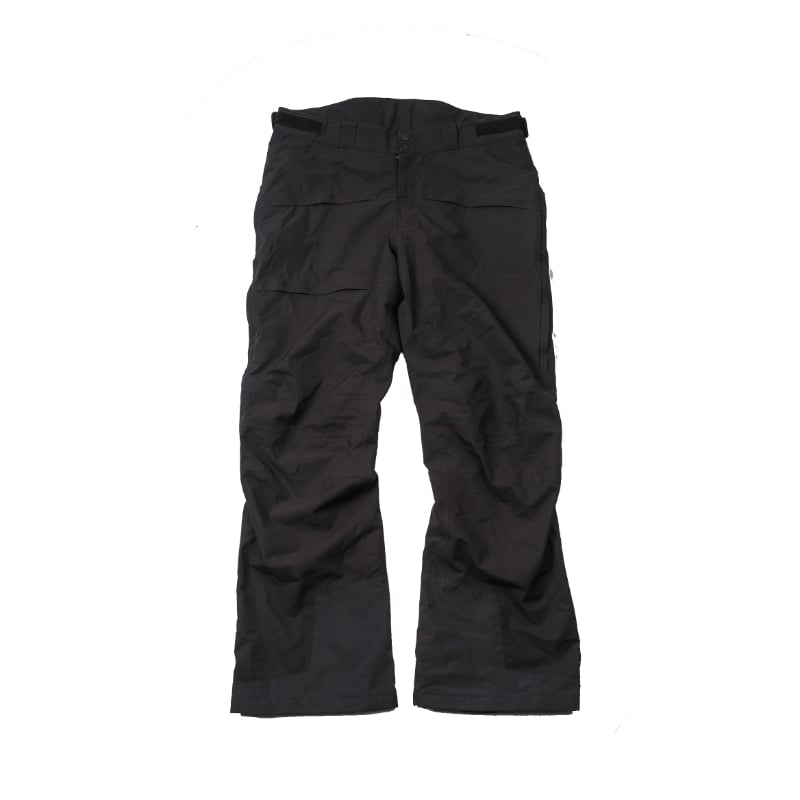
360-Degree Visibility and Design Features of Class 3 Hi-Vis Parkas
Class 3 high visibility parkas are designed to cover the whole body with reflective strips going all around them, meeting those strict ANSI/ISEA 107 standards for materials. These jackets have about 1,240 sq in of bright fluorescent fabric plus another 310 sq in of that special reflective tape. This setup makes sure people can see workers from every angle, helping them recognize humans rather than just shapes when it gets dark outside. Really important stuff for folks working on highways or responding to emergencies where cars zoom past at dangerous speeds.
Importance of Full-Body Coverage and Circumferential Reflective Striping
The vertical and horizontal stripes on safety gear help define where someone stands on their body from head to toe, making them visible from quite a distance away actually around 1,280 feet out. Research indicates that when workers wear full body stripes all the way around instead of just partial coverage, they face significantly fewer accidents especially during those foggy mornings or dark nights. For road work specifically, regulations require reflective strips to measure no less than 1.97 inches across so they can properly catch light and warn drivers coming from different angles.
Functional Design Elements: Zip-Up Closure, Detachable Hood, and Utility Pockets
Modern Class 3 hi-vis parkas feature weather-resistant zippers for quick donning and adjustable hoods compatible with hard hats. Strategic pocket placement minimizes the need to remove gear in hazardous areas—a contributing factor in 42% of preventable workplace incidents. Mesh-lined vents and reinforced stitching enhance durability while maintaining compliance.
Optimizing the Class 3 Hi-Vis Parka for Movement and Field Visibility
Ergonomic tailoring supports unrestricted motion during tasks like flagging or equipment operation. Contrast stitching along seams maintains visibility during dynamic movement, while moisture-wicking liners prevent overheating. Workers report 31% higher productivity with hi-vis parkas compared to standard safety vests in rainy or foggy conditions, based on a 2023 construction safety survey.
Enhanced Low-Light and Nighttime Visibility Through Advanced Materials
Performance of Reflective Tapes and Fluorescent Fabrics in Dark Conditions
Class 3 hi-vis parkas use prismatic reflective tapes that return 90% of incident light, combined with fluorescent orange or yellow backgrounds visible up to 1,280 feet in daylight. In darkness, these materials amplify even low-intensity light from vehicle headlights or flashlights, creating a “catseye” effect that keeps stationary workers clearly visible.
How Class 3 Hi-Vis Parkas Improve Detection Distance at Night
The 360-degree reflective coverage increases worker detection distances by 68% compared to non-compliant gear, according to the Workplace Safety Institute (2023). This extended visibility provides drivers and equipment operators with 2–3 extra seconds to react at night. Properly positioned reflective bands maintain effectiveness at angles up to 40 degrees from light sources.
Real-World Applications: Use of Class 3 Gear in Poor Weather and Low Light
When maintenance teams work on highways from dusk until dawn, they actually see about 40% fewer close calls with vehicles when donning those bright orange Class 3 visibility parkas, especially during rainy or foggy conditions. These jackets combine reflective strips with vibrant colors that stay effective even in extreme weather, working well whether it's freezing at minus 30 degrees or scorching hot around 120 degrees Fahrenheit. Most utility workers who've switched to these upgraded gear say they feel roughly 85-90% more confident getting their job done safely in dark spots where regular Class 2 protective clothing just doesn't cut it anymore.
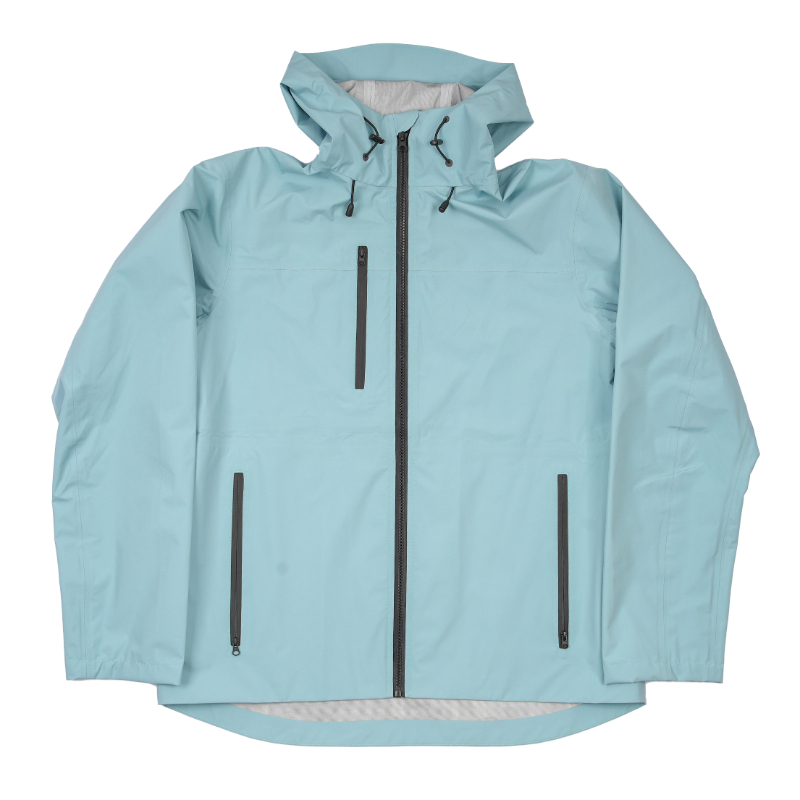
Weather-Resistant Protection and Worker Safety Benefits in Harsh Environments
Class 3 hi-vis parkas integrate ANSI-certified visibility with advanced weatherproof engineering to protect workers in extreme conditions. By combining insulation, waterproof membranes, and breathable fabrics, they mitigate risks such as hypothermia, restricted movement, and reduced dexterity caused by cold or wet environments.
Cold and Wet Weather Features: Insulation, Waterproofing, and Breathability
The thermally insulated liners keep body warmth locked in without adding unnecessary bulk, which is really important for staying warm when temps drop below 40 degrees Fahrenheit. The gear comes with waterproof zippers and seams that have been properly sealed against water getting inside, so folks don't get soaked even during heavy downpours or snowfall. At the same time, these materials let out excess heat and moisture from sweating, preventing uncomfortable dampness inside the clothing. Getting this right makes all the difference in avoiding cold-related issues and keeping people mobile enough to handle whatever complicated jobs they need to do on site.
Reducing Workplace Accidents with Reliable Class 3 Hi-Vis Parkas
Integrated weather protection enhances safety outcomes: dry workers maintain better grip on tools, and unfogged eyewear improves hazard recognition. Fluorescent fabrics paired with 360° retroreflective tape remain visible at over 1,200 feet in heavy rain or fog, giving drivers and equipment operators five times more reaction time than non-ANSI rainwear.
Impact on Worker Productivity and Safety Confidence in Hazardous Conditions
Field studies show crews using weather-resistant hi-vis parkas complete cold-weather tasks 22% faster due to fewer warming breaks and less gear adjustment. The combination of thermal comfort and assured visibility reduces cognitive load, enabling workers to focus on situational awareness rather than managing discomfort.

 REQUEST AN ESTIMATE
 Home
Home