
 High Visibility Clothes
 EN
EN
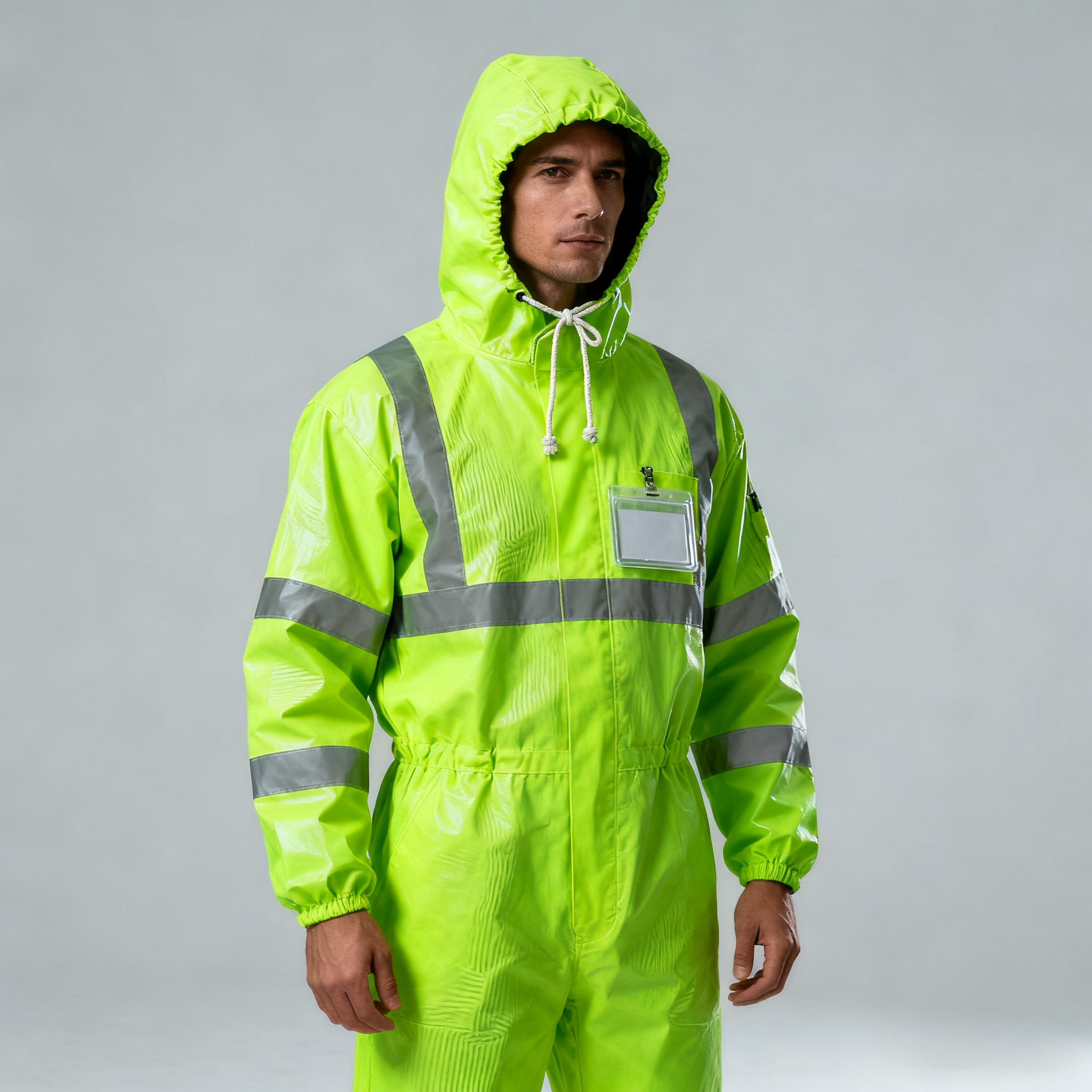
Keep the Reflective Bands of Class 3 Hi-Vis Parka Clean and Unobstructed.
What Is a Class 3 HiVis Parka and Why It Matters for Worker Safety
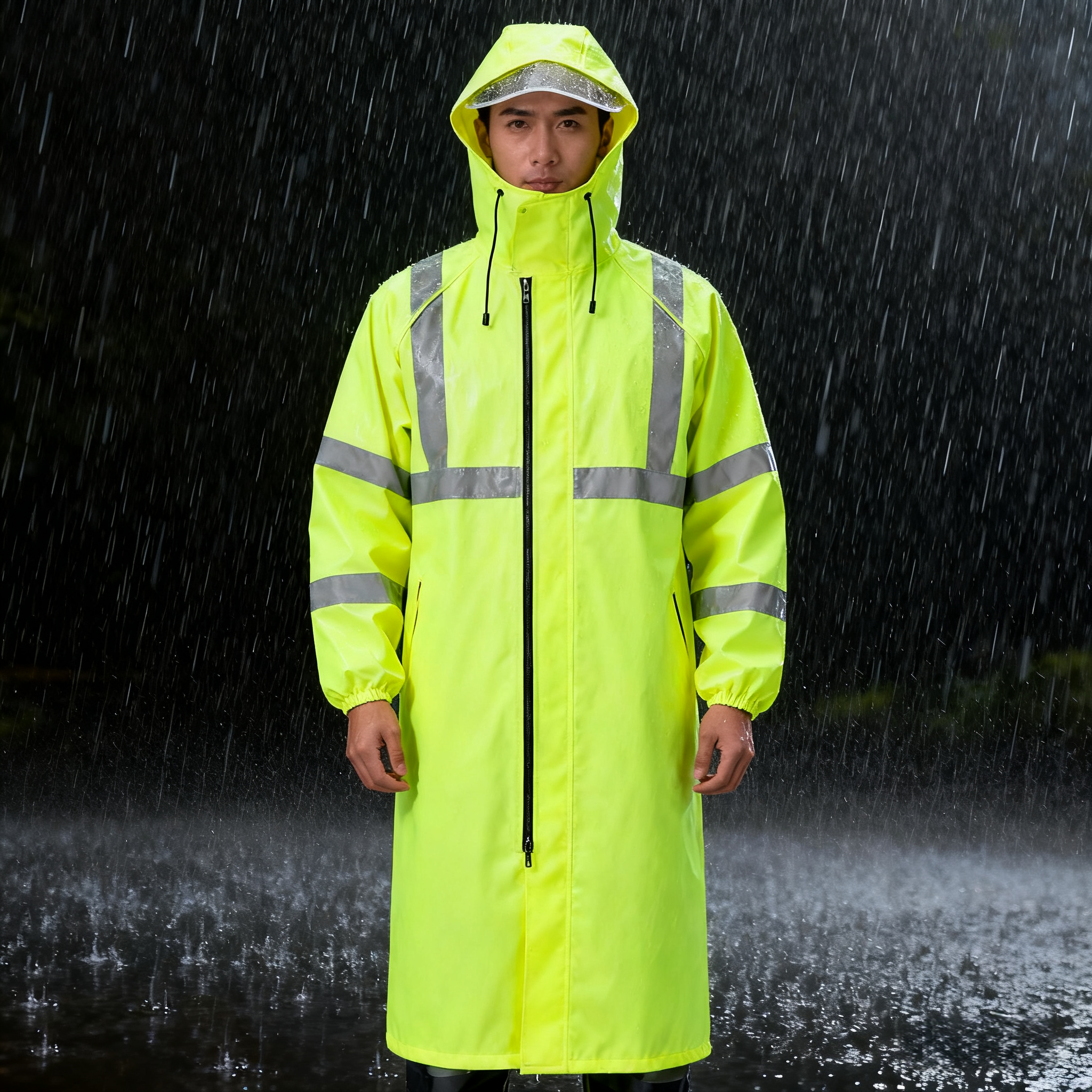
A Class 3 HiVis parka is the highest-tier high-visibility safety garment designed for workers in hazardous, low-visibility environments. These parkas provide 360° visibility through expanded reflective striping, full torso coverage, and visible sleeves, ensuring detection from 1,280+ feet critical in settings like nighttime highways or foggy industrial zones.
Top Applications and Industries That Require Class 3 HiVis Parkas
Class 3 HiVis parkas are essential in environments where worker visibility directly impacts survival. They are required when hazards include fast-moving vehicles, limited light, and complex backgrounds demanding long-distance visibility.
Use in Roadway and Traffic Control Zones
Workers on highways and road construction sites depend heavily on Class 3 parkas when they need to be seen clearly by vehicles zooming past at speeds above 50 miles per hour. According to the ANSI/ISEA 107-2020 guidelines, these protective garments must include at least 1,240 square inches of bright fluorescent material across their surfaces. Safety experts point out that around 24,000 people were hit by vehicles while working in transportation environments last year alone according to Bureau of Labor Statistics data from 2023. That's why wearing proper safety gear isn't just about following rules—it literally saves lives by keeping workers safe from avoidable accidents on busy roads.
Role in Emergency Response and Incident Management
Firefighters, EMTs, and disaster recovery personnel use Class 3 parkas to maintain visibility during night operations or in smoke-heavy environments. Extended reflective striping ensures rapid identification during dynamic movements—important given that 68% of emergency worker injuries occur in low-light conditions (NFPA 2023).
Importance in Heavy Equipment and Utility Operations
Workers near cranes, excavators, and power lines need full-body visibility to avoid entanglement and electrocution risks. Utility crews in substations or telecom sites wear Class 3 parkas to comply with OSHA 29 CFR 1910.269, which has been linked to a 42% reduction in electrical incident rates in high-voltage areas (NIOSH 2022).
Design and Material Considerations for Optimal Performance
Reflective Striping and Background Fabric Requirements
To satisfy the ANSI/ISEA 107-2020 guidelines, Class 3 parkas need to have both retroreflective tape and those bright background materials. These special reflective materials work by bouncing light back toward where it came from, which means workers can be seen from around 1,280 feet away even when darkness falls. According to the standards, there needs to be at minimum 2 inches worth of uninterrupted reflective strips running along the garment, paired with those eye-catching fluorescent colors like yellow or orange. And these bright colors shouldn't fade too quickly either they should keep about 85% of their original brightness after going through 50 rounds of industrial washing according to ISEA data from 2023. Fabric choices matter a lot here too. Workers might not realize this but if manufacturers mix fabrics incorrectly, visibility drops dramatically in foggy conditions sometimes down as much as 40%. That's why sticking with properly certified fabric combinations makes all the difference.
Weather Resistance and Durability Features
When working in really harsh environments, parkas need tough materials like 500D polyester or ripstop nylon with good waterproof coatings rated at least 10,000mm. The seams should be properly sealed and the stitching reinforced so no wind or water gets through. Anti-static treatments are also important because they help prevent sparks near flammable materials. According to the latest industrial safety data from 2024, jackets with dual layer insulation cut down on cold stress problems about 32% better than those with just one layer. For places where chemicals are present, like in manufacturing plants, these advanced composite materials last roughly 2.7 times longer than regular fabrics during durability tests. That kind of performance makes all the difference when workers need protection day after day in tough conditions.
Fit, Mobility, and Functional Design Elements
When it comes to getting around while working, good ergonomic design really makes a difference for people who need to climb things, lift heavy stuff, or work with all sorts of machines. The way these jackets are built matters a lot too. Most have those flexible elbow joints, extra breathing space under the arms, and cuffs that can be adjusted to fit better. These little details actually make moving around much easier while still keeping the body protected from whatever might be going on outside. Storm flaps that overlap each other do a great job at keeping water out during bad weather. And nobody wants their tools falling out, so most models come with either zipped up or magnetic closure pockets where everything stays put. A lot of workers love being able to take the inner lining out when seasons change, especially since almost 4 out of 5 utility workers say this is super important for them. It turns out that wearing ill fitting coats isn't just uncomfortable either. According to OSHA data from last year, workers wearing poorly fitting gear had nearly twice as many accidents caused by clothes getting caught somewhere they shouldn't.
How to Choose the Right Class 3 HiVis Parka for Your Workforce
Assessing Environmental and Job-Site Hazards
Start looking at what specific dangers exist on site. Does anyone work near roads where cars go faster than 25 mph? What about late night shifts or bad weather days? The workspace might be crowded too. According to research from NIOSH last year, almost half (that's 53%) of people killed by being hit had poor visibility gear when it happened. When picking out parkas, think about real world conditions first. Insulated jackets make sense in freezing temperatures while those breathable materials help workers stay dry during rain storms or construction sites with water everywhere.
Selecting Appropriate Colors and Visibility Options
The ANSI/ISEA 107-2020 standard lays out requirements for high visibility clothing, specifically mentioning fluorescent background colors like orange-red or yellow-green combined with retroreflective materials. Orange-red tends to work best in city settings where there's lots of concrete and buildings around, whereas yellow-green really pops when workers are near trees or greenery. According to some studies from ANSV back in 2021, workers wearing fluorescent yellow-green can be seen about 28% further away during those tricky twilight hours compared to regular yellow garments. That makes a big difference for folks working on farms or roadsides at sunrise or sunset times when visibility drops off so quickly.
Maintenance, Longevity, and OSHA Compliance Tips
Proper Cleaning and Care to Preserve Visibility
To keep those Class 3 parkas performing well, wash them alone using gentle soap. Avoid bleach and fabric softener at all costs since they eat away at the reflective strips. Always let these jackets air dry instead of tossing them in the dryer where heat could cause shrinking or weird warping issues. When dealing with stubborn grease spots or chemical stains, grab a cleaner specifically made for bright visibility gear first. After every cleaning cycle, take a close look at those reflective lines running across the jacket. If they start peeling off or develop cracks, visibility drops dramatically at night time maybe even down around 40% according to industry standards from 2023. Sticking to proper maintenance routines not only meets safety requirements but also creates records showing regular checks were done, something employers need for their compliance paperwork.
FAQ
What is a Class 3 HiVis Parka?
A Class 3 HiVis Parka is the highest level of high-visibility safety garment designed to provide 360-degree visibility for workers in hazardous, low-light conditions.
Why is compliance with ANSI/ISEA 107-2020 important?
Compliance with ANSI/ISEA 107-2020 ensures maximum visibility, reducing accident risks by 68% in high-risk work zones, particularly where vehicle speeds exceed 50 mph.
How often should a Class 3 HiVis Parka be replaced?
OSHA recommends replacing parkas every 12-18 months for outdoor workers, or sooner if signs of wear such as frayed stitching or faded fabric are present.
Where are Class 3 HiVis Parkas most commonly used?
They are essential in industries involving roadway work, emergency response, incident management, and operations near heavy equipment and utilities.

 REQUEST AN ESTIMATE
 Home
Home