
 High Visibility Clothes
 EN
EN
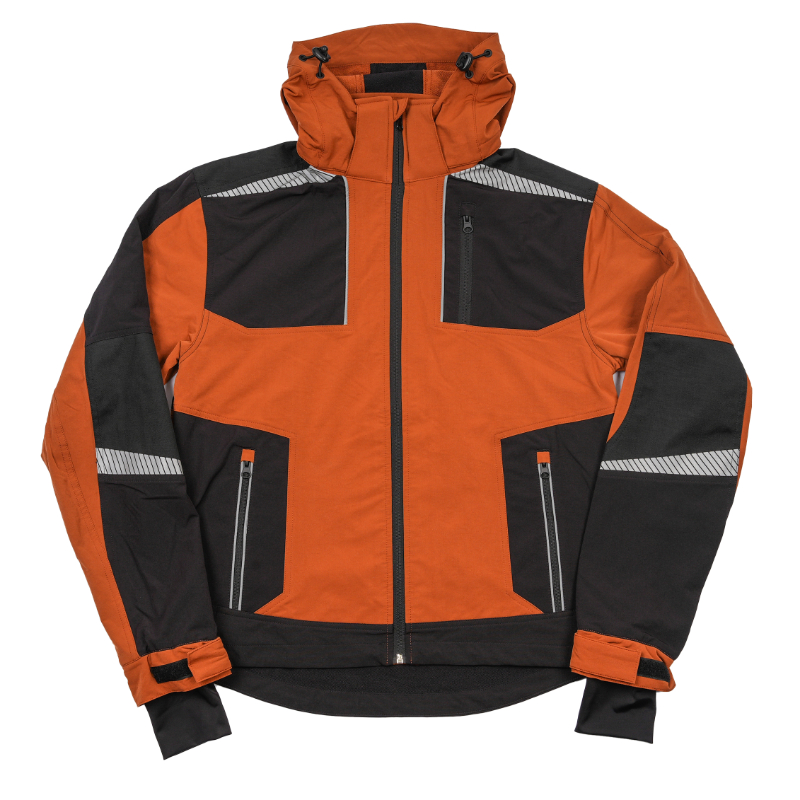
How to Adjust the Hood of a Class 3 Hi-Vis Parka for Optimal Visibility?
Understanding the Design of a Class 3 Hi-Vis Parka Hood
Anatomy of a Class 3 Hivis Parka Hood and Its Visibility Components
Class 3 high visibility parka hoods are designed to keep workers seen clearly in low light conditions. They combine bright fluorescent fabrics with reflective strips around the edges, meeting those important ANSI/ISEA 107-2020 safety guidelines. To qualify, these jackets need about 1240 square inches of that glowing material plus another 310 square inches worth of reflective tape. What makes them work so well? Think adjustable drawstrings for a snug fit, storm flaps to keep rain out, and those special reflective stripes going all the way around the head area. This means workers stay visible no matter which way they turn their heads, making it easier for others to spot them even when moving around job sites.
Role of Reflective Tape Placement in Enhancing Peripheral Detection
Putting retroreflective tape on both sides and the back part of safety hoods can boost visibility at the edges by about 30 percent when light levels drop according to Workplace Safety Institute research from last year. The ANSI/ISEA 107-2020 standard actually requires these horizontal strips all around the hood's edge. These bands help create what they call motion contrast, making it easier for people driving vehicles or operating machinery to spot workers out there. The circular pattern works because our eyes process moving shapes better than static ones, so this design really speeds up how fast someone notices a person working nearby.
Material Considerations: Balancing Breathability and High Visibility
The latest generation of Class 3 safety hoods incorporates micro mesh fabric with built-in retro reflective fibers. Workers get good airflow while staying visible on site. The material keeps its vibrant colors over time and passes the EN 343:2019 waterproof test requirements, so they work well even when it rains cats and dogs. Most importantly, these hoods can still be seen from over 2000 feet away even after being exposed to harsh weather conditions. That kind of visibility makes all the difference in high risk environments where Class 3 protection is needed.
Achieving Proper Fit: Adjusting the Hood for Unobstructed Visibility
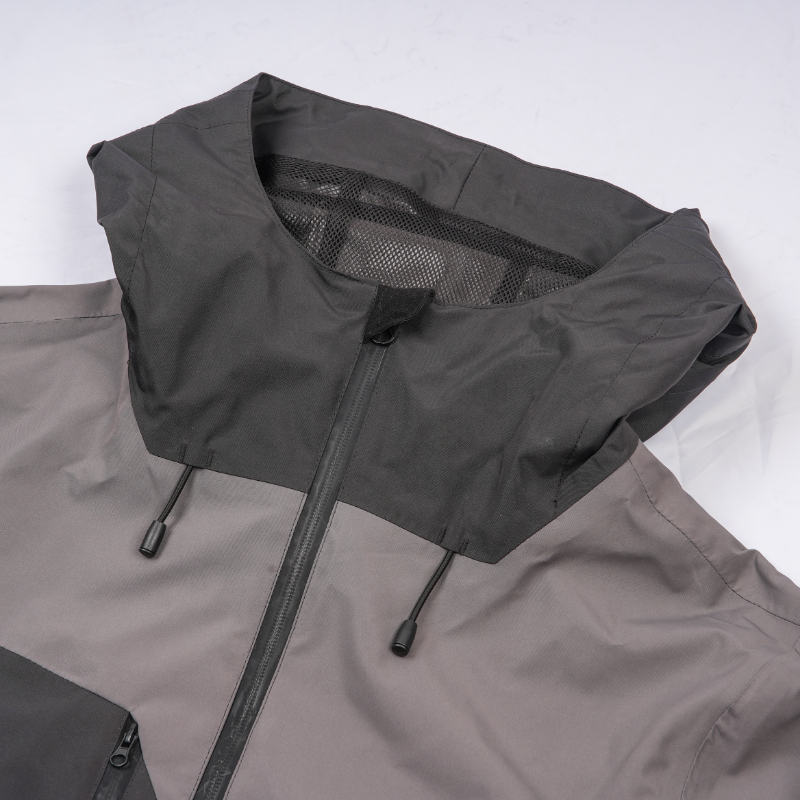
Proper Tensioning of Drawstrings in a Class 3 HiVis Parka Hood
Getting the right tension on those drawstrings makes all the difference when it comes to how well a hood works during wear. If someone pulls them too tight, they end up cutting off their side vision which actually goes against what the ANSI/ISEA 107-2020 standards say about where reflective materials should be placed. A good rule of thumb is leaving room for about two or three fingers between the string and neck area. That way the hood stays put without slipping down, yet doesn't cut off blood flow or make seeing things around difficult. Some real world testing has shown that folks who don't adjust their hoods properly might see objects from half as far away in dim lighting situations compared to those with correctly adjusted gear.
Positioning the Hood to Maintain Unobstructed Sightlines During Movement
A good fit means the hood moves with how our heads naturally turn so nothing blocks what we need to see. The front edge needs to sit about an inch or so above the eyebrows really. That way people can still look up without the brim getting in their eyes when they're doing stuff like looking at things hanging overhead. When it comes to seeing sideways, make sure those reflective strips stay visible even after someone turns their head completely to either side. According to folks who know about these things, testing how well someone can move around while wearing it is super important too. Try out real work situations where workers might check for blind spots or handle equipment so nobody misses anything because their view gets cut off somehow.
Optimizing Visibility Across Challenging Work Environments
Performance of Class 3 HiVis Parka Hoods in Low-Light Versus Adverse Weather
Class 3 safety hoods work well even when it's dark out or bad weather hits the roadways. When everything is dry, these compliant models can produce around 2,100 candelas per lux per square meter according to standards set by ASTM E810-2023. But things change when rain comes into play, cutting down their effectiveness by roughly 40 to 60 percent. Visibility gets worse still during foggy conditions, which is why those horizontal reflective bands across the hood become so important. These bands help workers stay visible from over 328 feet away, something absolutely necessary for anyone doing roadside maintenance where cars zip past at speeds above 55 miles per hour.
Impact of Rain, Fog, and Glare on Retroreflective Material Efficiency
Environmental factors significantly affect retroreflective efficiency:
- Water beading reduces prism effectiveness by 33% (NIST 2023)
- Fog scatters light, cutting detection time from 7.2 to 3.1 seconds
- Matte-finish retroreflective strips reduce solar glare while still meeting ANSI/ISEA 107-2020’s 30° angularity requirements
These challenges underscore the need for advanced materials and smart design to sustain visibility in dynamic conditions.
FAQ Section
What are the main components of a Class 3 Hi-Vis Parka Hood?
Class 3 Hi-Vis Parka Hoods are designed with bright fluorescent fabrics and reflective strips around the edges to ensure high visibility in low light. They include adjustable drawstrings, storm flaps, and reflective stripes that provide 360-degree visibility.
Why is reflective tape placement important on safety hoods?
Reflective tape boosts visibility by 30% and is crucial for motion contrast, making it easier for drivers and machinery operators to spot workers in low light and adverse weather conditions.
What is the significance of ANSI/ISEA 107-2020 compliance?
The ANSI/ISEA 107-2020 standard ensures that safety hoods maintain essential reflective and fluorescent standards, providing reliable visibility in high-risk environments.
How do these hoods perform in adverse weather conditions?
Class 3 Hi-Vis Parka Hoods perform well in low-light conditions but their effectiveness reduces by approximately 40-60% during rain and fog. The horizontal reflective bands are crucial for maintaining some visibility in these conditions.
How do workers ensure their hoods are properly fitted?
Proper tensioning of drawstrings and positioning are crucial to ensure the hood does not obstruct the wearer’s visibility while being compatible with other PPE like helmets and eyewear.
![Adjust Class 3 Hi-Vis Parka Hood for Maximum Visibility [Guide]](https://shopcdnalpha.grainajz.com/category/18993/4129/d3ddc34beea51e36092b055e68e60567/%E4%BC%81%E4%B8%9A%E5%BE%AE%E4%BF%A1%E6%88%AA%E5%9B%BE_17863402894309.png)
 REQUEST AN ESTIMATE
 Home
Home