
 High Visibility Clothes
 EN
EN
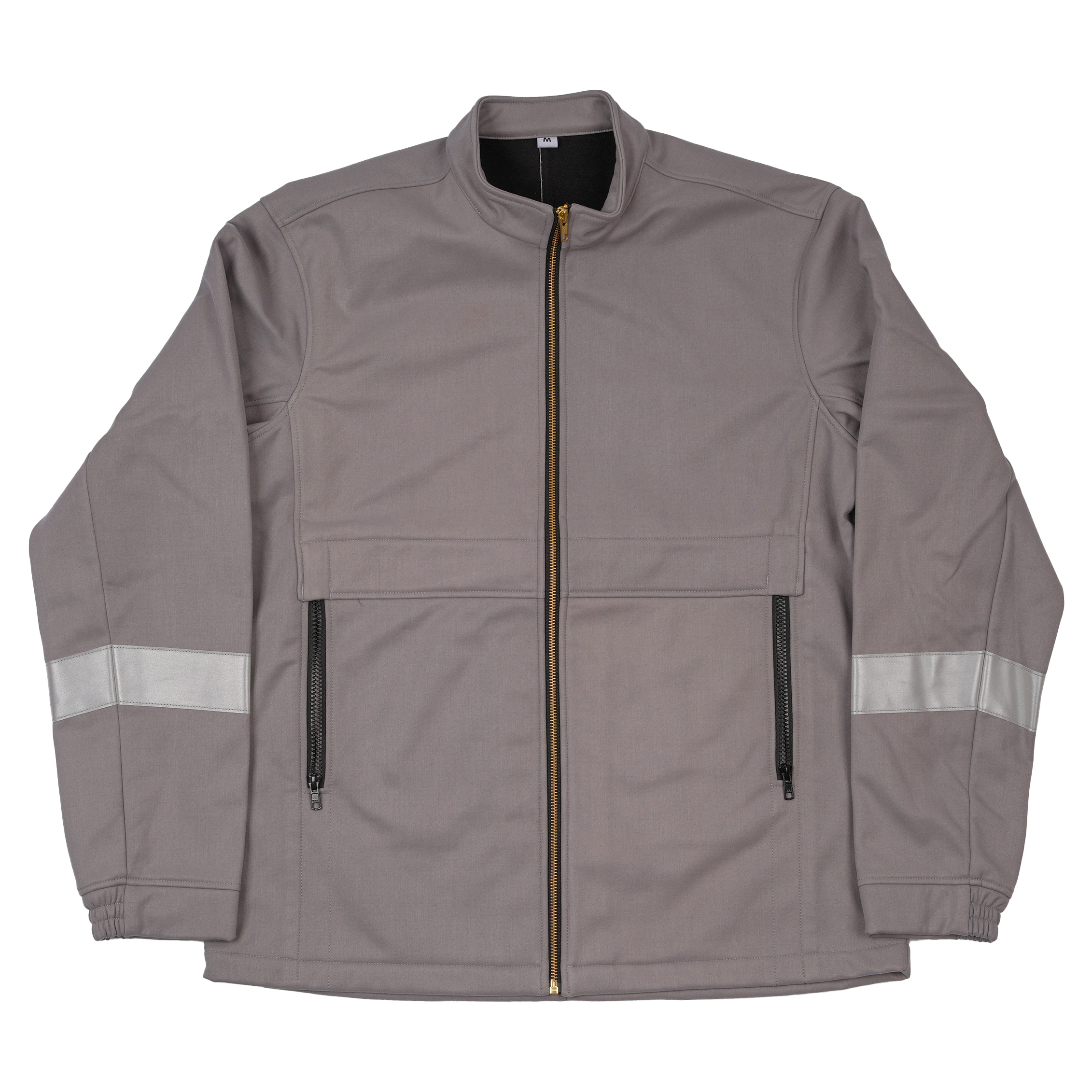
Avoid Using Harsh Detergents When Washing Water-Resistant Outdoor Clothing.
Chemical Breakdown of Technical Fabrics by Conventional Laundry Detergents
Most household detergents contain harsh surfactants and brighteners that degrade advanced coatings on water-resistant outdoor clothing. These chemicals attack polyurethane laminates and durable water repellent (DWR) treatments, weakening fabric integrity. A 2023 material degradation study found sodium lauryl sulfate-based detergents reduced nylon/polyester blend strength by 42% after 50 wash cycles.
Impact on Waterproof Breathable Membranes: Research and Performance Data
Waterproof membranes like Gore-Tex rely on microscopic pores 20,000x smaller than water droplets. Conventional detergents leave residue that clogs these pores, reducing breathability by 75% after 25 washes (Outdoor Industry Association 2023). Independent testing shows garments washed with regular detergent absorb 3x more water weight compared to those maintained with technical cleaners.
Debunking the Myth: ‘Stronger Detergent Equals Cleaner Clothing’
Strong detergents tend to wash away those natural oils in fabrics which actually help protect them over time. According to research from the Ponemon Institute back in 2023, people who spend a lot of time outdoors end up replacing their equipment about 58 percent more often if they're using super strong cleaning products. What's ironic is that these powerful formulas don't really make things cleaner at all. They form this sort of greasy residue instead, which ends up holding onto sweat and smells rather than removing them. The result? People find themselves doing more frequent washes with even harsher products, creating what feels like an endless loop of trying harder but getting worse results.
Hidden Threats: Fabric Softeners, Bleach, and Dryer Sheets Explained
Molecular-Level Damage Caused by Softeners and Additives
Softeners and bleach can really mess up water resistant outdoor gear because they change how fabrics behave at a microscopic level. The stuff in fabric softeners called quats leaves behind residues that actually break down the waterproof coating on clothes made with polyurethane. According to some tests from Textile Chemistry Journal back in 2022, this can cut fabric elasticity by nearly a third after just fifteen wash cycles. Chlorine bleach is no better either. It speeds up the aging process of nylon and polyester fibers, making them brittle faster especially around stress points like seams and cuff areas where clothes naturally wear out quicker. And don't be fooled by those "gentle" additives either. Optical brighteners might sound harmless but they create tiny crystal formations on DWR coatings that stop water from rolling off properly when needed most during rainstorms or hikes through wet terrain.
Why Dryer Sheets Compromise the Performance of Water-Resistant Outdoor Clothing
When we put dryer sheets in our machines, they leave behind these hydrophobic fatty acid coatings that actually block those tiny breathable pores fabrics need to let moisture escape. According to recent findings from the Fabric Care Report published last year, clothes dried with regular dryer sheets ended up with about 18 percent less water resistance than ones left to air dry in laboratory conditions. What happens next is pretty frustrating for anyone who owns performance gear. This layer of residue works just like when waterproof coatings start to wear off over time, so all that sweat gets trapped inside instead of moving through the fabric properly. And here's another problem nobody talks about much the greasy film that stops static electricity also acts like a magnet for dust and dirt particles. That means more frequent washing with harsh detergents which ends up wearing down even the best technical fabrics faster than expected.
Switching to Technical Cleaners for Long-Term Gear Performance
Benefits of Specialized Detergents in Maintaining Breathability and Protection
Specialized cleaning products help maintain the water resistance in outdoor gear by using pH balanced formulas that won't damage those important DWR coatings. Regular laundry detergents actually create problems because they leave behind residue that blocks the tiny pores in fabric membranes. These commercial solutions instead lift away dirt and oil while keeping the garment breathable. According to research from the Outdoor Industry Association last year, jackets cleaned with technical cleaners kept about 9 out of 10 points on their waterproof rating even after being washed fifty times. That's pretty impressive when compared to standard household detergents where performance dropped down to around two thirds of original waterproof capability.
Technical Cleaners vs. Household Detergents: A Performance Comparison
Top Industry-Recommended Solutions for Washing Water-Resistant Outdoor Clothing
Most professionals in the field tend to go for cleaning products that have been put through their paces according to ISO 6330 standards when dealing with technical fabrics. Recent tests from Textile Institute back this up, finding that top phosphate-free formulas actually make equipment last around two to three extra years over standard detergents. When shopping around, check if the product carries NSF certification for breaking down naturally and works well with those fancy Gore-Tex and eVent membrane systems. Consumer feedback from last year was pretty telling too, with nearly nine out of ten people reporting they were happy after making the switch to these specialized cleaners for taking care of their waterproof outdoor gear.
Best Practices for Washing and Maintaining Water-Resistant Outdoor Clothing
Step-by-Step Guide to Safely Cleaning Outdoor Gear at Home
Start with zipped closures and emptied pockets to keep things from getting damaged during washing. Performance clothes should be washed alone in cool water around 30 degrees Celsius max, ideally with detergents made specifically for technical fabrics. Recent research from last year found that items cleaned with these special products kept about 92 percent of their water resistance properties, compared to just 64 percent when ordinary soap was used. Don't twist or wring out the fabric either. Better to let them go through a gentle spin cycle at no more than 600 revolutions per minute to maintain those important seam tapes intact.

 REQUEST AN ESTIMATE
 Home
Home